School and University Gym Equipment Planning Guide in Malaysia
School gym equipment Malaysia should be chosen for safety, supervision, durability, accessibility, and ease of maintenance, not just price. For schools, universities, colleges, and TVET centres, the b
Quick answer
School gym equipment Malaysia should be chosen for safety, supervision, durability, accessibility, and ease of maintenance, not just price. For schools, universities, colleges, and TVET centres, the best setup usually combines adjustable, space-efficient equipment, proper flooring, clear signage, storage, and a phased budget that supports installation and long-term upkeep.
Key Takeaways
- Choose equipment that is durable, adjustable, and suitable for shared institutional use.
- Plan for student safety with supervision, clear signage, storage, and proper flooring.
- Use a phased budget so schools and campuses can build the gym in stages.
- Include installation and a maintenance schedule from the start to protect the investment.

This guide explains how Malaysian education institutions can plan a practical gym space for schools, universities, colleges, and TVET centres. It focuses on selecting equipment that supports student safety, supervision, accessibility, and long-term durability while staying realistic for procurement and maintenance. You will also see how to approach phased budgeting, installation, flooring, storage, and upkeep with a clear institutional buying process. Desire Gym supports buyers with a wide range of equipment and practical guidance for informed decisions.
What should schools and universities consider before buying gym equipment?
The first step is to match the equipment list to the actual users, supervision level, and room size. For school gym equipment Malaysia buyers, the best choice is usually a practical mix of training tools that can be managed safely, maintained easily, and purchased in stages.
Define the facility purpose
Start by separating user groups: students, staff, and athlete users. A general student fitness room needs simpler, more durable, and easier-to-adjust equipment than a performance area for varsity athletes. If the space also supports PE lessons, club activities, or conditioning sessions, the equipment mix should allow for different skill levels without creating confusion at peak times.
For example, a school that mainly supports basic fitness and circuit training may prioritise treadmills, rowers, bikes, dumbbells, benches, and functional training stations. A university or TVET centre may need a broader mix for strength, conditioning, and practical training modules, especially if the room serves multiple departments. In both cases, equipment should be chosen for repeated institutional use, not occasional home-style use.
Set supervision and usage rules
Clear supervision is essential. The facility should have written rules on who may use each area, what level of instruction is required, and when staff oversight is needed. This is especially important where beginners, mixed-age users, or large student groups are involved.
Post simple signage at the entrance and beside key machines to show starting steps, safe use reminders, and any restrictions. Keep sightlines open so supervisors can see most of the room without blind spots. If a piece of equipment needs close instruction, plan it for a monitored zone rather than placing it in a high-traffic corner.
Identify space and budget limits
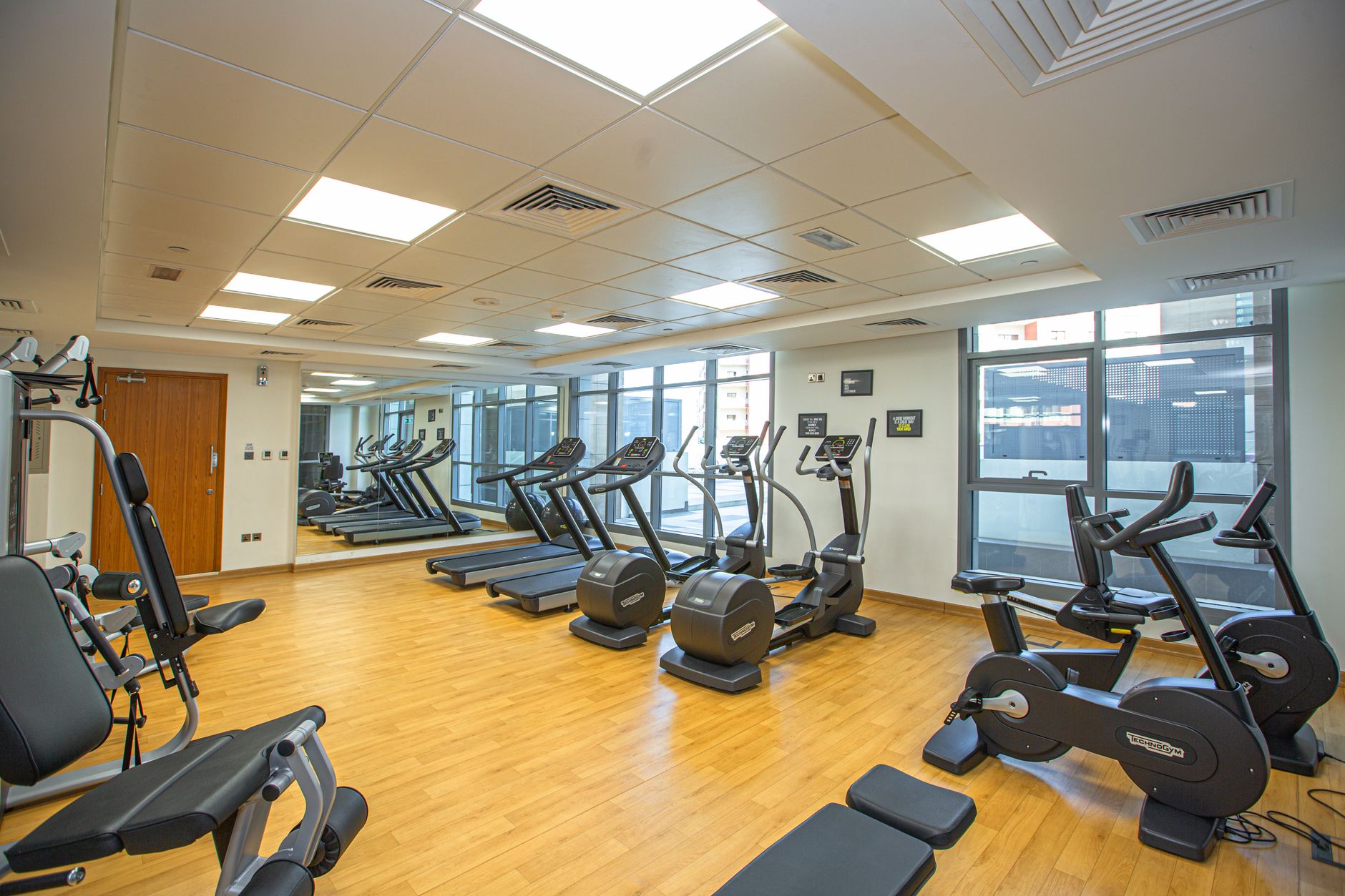
Before purchasing, measure the usable floor area, ceiling height, access routes, and storage space. Leave enough clearance for movement, cleaning, and equipment servicing. Flooring should be selected together with the equipment plan, since heavier machines and free-weight zones may need different surface protection than cardio areas. Storage is also important for mats, small accessories, and cleaning tools, especially in shared rooms.
Budget planning should be phased. A university gym supplier Malaysia project may begin with core cardio and strength items, then add accessory stations, storage, and upgrades later. This approach helps institutions control procurement timing, installation planning, and maintenance costs. It also allows the programme to review usage before expanding.
A simple rule is to buy fewer items with better durability and adjustability rather than filling the room with low-cost equipment that wears out quickly. That approach usually supports longer service life and more predictable upkeep for colleges, schools, and training centres.
How do you match equipment to student, staff, and athlete user groups?
Match the equipment to the people who will use it most often, the level of supervision available, and the training goal of the room. In practice, that means choosing simpler, more adjustable items for beginners, more robust options for staff wellness, and performance-focused stations for athletes.
Students and beginners
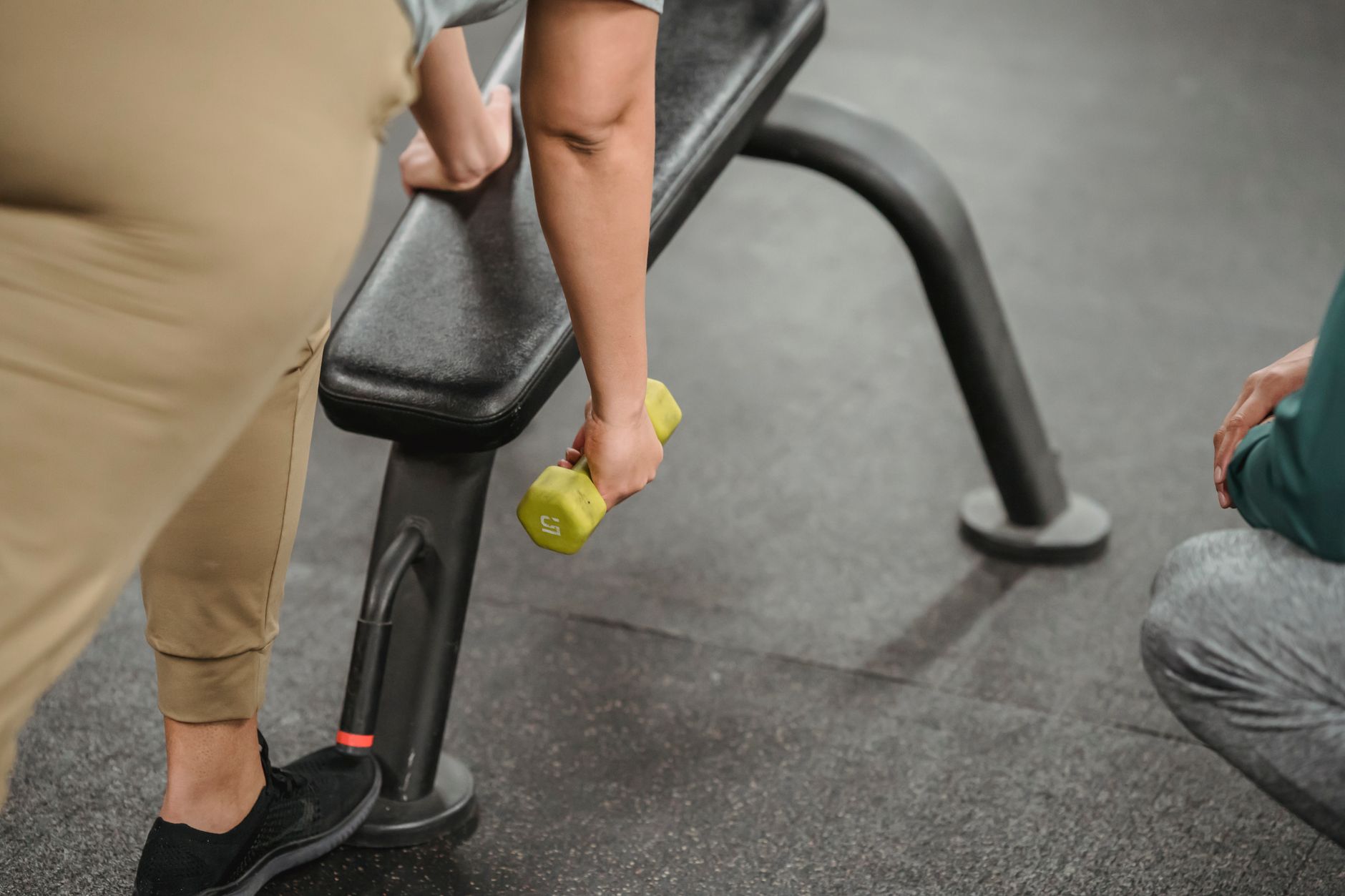
For student users, the priority is ease of learning, clear instructions, and low-friction setup. This group usually benefits from selectorised machines, light dumbbells, medicine balls, mats, and basic cardio units with simple controls. Equipment should be intuitive enough for supervised group sessions, because new users often need repeated demonstration before they can use it confidently and correctly.
Staff wellness users
Staff wellness spaces usually need a balanced mix of cardio, light resistance, and mobility tools. These users may have limited time, so the setup should support short sessions and quick transitions between stations. Durability matters here because the equipment may be used throughout the day by different users, including during peak break periods.
Athletes and training squads
Athlete areas need stronger construction, higher load tolerance, and more specialised training stations. Free-weight platforms, racks, sleds, plyometric boxes, and functional training rigs are common examples. These areas also require stricter supervision and clearer training rules, because the movements are more advanced and the equipment is often used at higher intensity.
| User group | Supervision and equipment fit |
|---|---|
| Students and beginners | Best suited to close supervision, short demonstrations, and equipment that is easy to adjust and reset between users. |
| Staff wellness users | Usually need simple guidance, visible instructions, and equipment that supports independent but still monitored use. |
| Athletes and training squads | Need coach-led sessions, more technical equipment, and clear access control during training blocks. |
What should procurement teams check?
Institutional buyers should compare adjustability, durability, and maintenance burden before placing orders. A university gym supplier Malaysia project may need different product tiers for each user group, so it helps to separate “must-have” items from performance upgrades. This is also where Our Services can support installation planning, replacement scheduling, and after-sales coordination.
For mixed-use facilities, the most practical approach is to assign equipment by zone. Beginners should not be forced into advanced stations, while athletes should not be limited by overly basic machines. Clear signage, supervision points, and simple usage rules help the provider manage shared access without making the room feel restrictive.
Which equipment types are best for school gym equipment Malaysia?
The best options are durable, easy to supervise, and simple to adjust for mixed user groups. For schools, colleges, and universities, the most practical mix usually combines basic strength stations, low-risk cardio machines, and shared accessories that support structured, monitored use.
Strength and free weights
For strength areas, choose equipment that can handle frequent use and be reset quickly between users. A Smith machine is often useful in supervised settings because it offers a guided bar path, while adjustable benches, dumbbells, kettlebells, and plate-loaded machines give more flexibility for different ability levels.
- Adjustable benches — durable frame, quick angle changes, suitable for many exercises.
- Dumbbell sets with racks — easy to understand, compact, and simple to store.
- Kettlebells — practical for general conditioning, but best used with clear instruction.
- Plate-loaded machines — sturdy and familiar for institutional procurement, with lower complexity than many cable systems.
- Power racks with safety arms — better for controlled lifting zones and coach-led sessions.
For a university gym supplier Malaysia project, these items work well because they can serve staff wellness users, sports teams, and training modules without requiring a large number of specialised machines. A phased budget can start with the most versatile pieces first, then add heavier-duty stations later.
Cardio and conditioning
Cardio equipment should be straightforward to operate, easy to inspect, and suitable for repeated daily use. Treadmills, cross trainers, rowing machines, and upright bikes are common choices because they support clear instruction and are easy to allocate by time slot.
- Upright bikes — compact, adjustable, and low maintenance.
- Treadmills — useful for general conditioning, but should be placed where staff can monitor use.
- Rowing machines — efficient for full-body conditioning, with a simple setup.
- Cross trainers — lower-impact option, often easier for mixed-use facilities to manage.
In Malaysia, procurement teams should also think about power supply, placement, and installation access before ordering larger cardio units. For TVET and campus settings, a small but reliable cardio line is often more valuable than a large, crowded floor plan.
Shared-use accessories
Accessories help the room stay organised and adaptable. Mats, resistance bands, medicine balls, foam rollers, wall mirrors, and clearly labelled storage racks improve usability without adding unnecessary complexity. Flooring should be non-slip and easy to clean, while signage should explain zones, booking rules, and supervised-use areas.
- Resistance bands — low-cost, adjustable, and easy to store.
- Medicine balls — durable and versatile for conditioning.
- Mats — support floor work and help define training zones.
- Storage racks — keep walkways clear and equipment easy to return.
- Clear signage — supports accessibility, supervision, and shared-use control.
For any institutional procurement plan, these smaller items are often the fastest way to improve the room’s function while keeping maintenance manageable.
How should layout, storage, flooring, and signage be planned?
A practical room plan should keep supervision easy, movement clear, and equipment easy to return. For a school or campus gym, the layout should support safe circulation, fast checks by staff, and flexible use for different user groups.
Sightlines and supervision
Start by placing the most frequently used equipment where staff can see it from the entrance and main walkway. Avoid tall partitions, blind corners, or tightly packed machines that block views. This is especially important in mixed-use spaces where students, staff, and athletes may use the room at different times.
- Map the room by activity zone before ordering equipment.
- Keep the central aisle open so supervisors can move through the space quickly.
- Place higher-risk items, such as free weights, within direct sight of the instructor or attendant.
- Leave enough space around each station for instruction, adjustment, and exit.
For institutional procurement, it is also sensible to align the layout with installation access so large items can be delivered and positioned without disrupting the rest of the room. The provider can coordinate this through Gym Installation.
Storage and traffic flow
Storage should be visible, labelled, and close to where items are used. Open racks work well for frequently handled accessories, while lockable storage is better for shared or higher-value items. Clear return points reduce clutter and help keep walkways open.
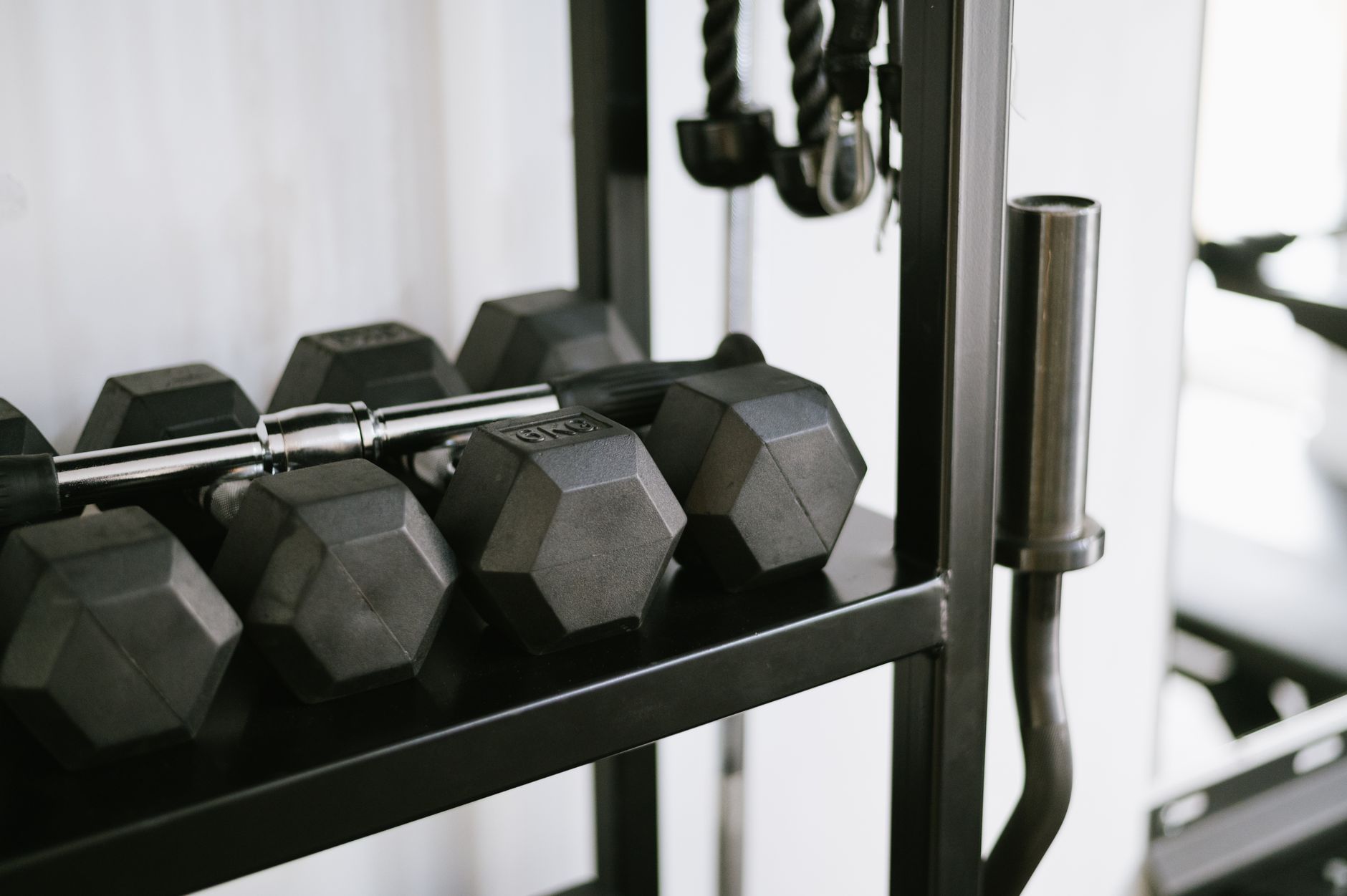
gym storage racks flooring signage A good sequence is to plan traffic first, then storage, then equipment placement:
- Mark entry, exit, and main walking paths.
- Place storage against walls or unused corners, not in busy lanes.
- Keep small items grouped by category so users can return them correctly.
- Use simple labels for shelves, hooks, and bins to support shared use.
This approach is useful for university gym supplier Malaysia projects and for college gym equipment plans where multiple groups may rotate through the same room.
Flooring and safety signage
Flooring should match the activity: durable rubber areas for weights, easy-clean surfaces for general training, and non-slip finishes in zones with frequent movement. Good flooring also helps reduce impact noise and makes the room easier to maintain. A practical benchmark is that a well-planned institutional gym should use materials that can handle repeated daily traffic without rapid wear.
Safety signage should be direct and visible at eye level. Include rules for supervision, equipment return, footwear, water use, and restricted zones. Accessibility notices should be easy to read and placed near entrances and key stations. For TVET and campus facilities, clear signage supports orderly use without overcomplicating the room.
How do you budget, procure, install, and maintain equipment over time?
Start with a phased plan, not a full-room purchase. For institutional buyers, the safest approach is to match spending to actual usage, then add items in stages as the programme grows.
Phased budget planning
Begin by separating needs into three groups: core training items, support items, and expansion items. Core items are the pieces used most often by students, staff, and athletes; support items include storage, mats, and accessories; expansion items can wait until usage patterns are clearer. This helps control costs and reduces the risk of buying too much too soon.
A practical method is to set a first-phase budget for the essentials, then hold back a reserve for installation, transport, and minor site adjustments. For example, a college gym equipment order may prioritise racks, benches, dumbbells, and cardio units first, while specialty machines or extra stations are added later. This approach is especially useful for TVET centres and campuses with changing enrolment.
Institutional procurement checklist
For procurement, ask for a clear quotation, product specifications, delivery lead time, warranty terms, and after-sales support. Where possible, compare items on frame quality, load rating, adjustability, and spare-part availability. Durable finishes and easy-to-clean surfaces matter because institutional equipment is used repeatedly and by many people.
A good tender or purchase request should also confirm installation scope, site access, and who is responsible for assembly, testing, and handover. If the project needs broader support, the provider’s Our Services page can be a useful starting point for installation and maintenance planning. This is especially relevant for university gym supplier Malaysia projects where coordination matters.
Inspection, cleaning, and maintenance schedule
Set a simple schedule before opening day. Daily checks should cover loose bolts, visible damage, cable wear, floor condition, and missing accessories. Weekly cleaning should include high-touch surfaces, machine pads, handles, and storage areas. Monthly inspection can review alignment, lubrication needs, and any parts that show early wear.
Keep a basic log for faults, cleaning dates, and repairs. This makes it easier to plan replacements and avoid unexpected downtime. For shared facilities, signage near the equipment return area should remind users to report problems instead of forcing the next group to use damaged items.
How much should we budget first?
Start with the highest-use items and the setup costs, then expand in phases as enrolment and usage become clearer.
Who should handle installation?
Use trained installers or the provider’s team so assembly, placement, and handover are completed properly.
How often should equipment be checked?
Do a daily visual check, weekly cleaning, and a monthly maintenance review.
For reliable support on institutional purchases, installation, and ongoing care, contact Desire Gym to add to cart or WhatsApp to know more.
Frequently Asked Questions
How should schools define different user groups before buying gym equipment?
What supervision and instruction setup is best for a school gym?
What equipment is best for shared institutional use in schools and universities?
How can schools make a gym more accessible and inclusive?
How should a school or university budget for gym equipment over time?
References
- Department of Occupational Safety and Health Malaysia (DOSH) — Department of Occupational Safety and Health Malaysia (DOSH)
- Department of Occupational Safety and Health Malaysia (DOSH), Guidelines on Occupational Safety and Health for Standing at Work 2024 — Department of Occupational Safety and Health Malaysia (DOSH), Guidelines on Occupational Safety and Health for Standing at Work 2024
- Department of Standards Malaysia (Jabatan Standard Malaysia) — Department of Standards Malaysia (Jabatan Standard Malaysia)
- Department of Standards Malaysia, Malaysian Standards Approval Announcements — Department of Standards Malaysia, Malaysian Standards Approval Announcements
- Ministry of Education Malaysia (Kementerian Pendidikan Malaysia) — Ministry of Education Malaysia (Kementerian Pendidikan Malaysia)