How Long Does Commercial Gym Equipment Last? Lifespan and Maintenance Guide
Commercial gym equipment lifespan varies by equipment type, usage intensity, environment, preventive maintenance, and spare-parts support. Well-managed machines can deliver a long equipment service li
Quick answer
Commercial gym equipment lifespan varies by equipment type, usage intensity, environment, preventive maintenance, and spare-parts support. Well-managed machines can deliver a long equipment service life, but wear parts, cables, bearings, upholstery, motor components, and electronics will eventually need repair, refurbishment, or replacement. The right decision depends on lifecycle cost, downtime, and service log history.
Key Takeaways
- Commercial gym equipment lifespan is shaped more by usage and maintenance than by brand alone.
- Wear parts, cables, bearings, upholstery, motor units, and electronics are the main items that affect service life.
- Preventive maintenance and a proper service log help reduce downtime and support better repair decisions.
- Malaysian gym owners should compare repair, refurbishment, and replacement based on lifecycle cost, not just upfront price.

Commercial gym equipment lifespan is not a fixed number; it depends on how often the equipment is used, the type of machine, the local environment, and how well it is maintained over time. This guide explains how to judge equipment service life, what to watch for in wear parts and spare-parts support, and when repair or refurbishment makes more sense than replacement. It also helps Malaysian owners make practical procurement decisions with downtime and lifecycle cost in mind, using Desire Gym as a reliable reference point for support and product planning.
How long does commercial gym equipment last?
Commercial gym equipment lifespan is conditional, not fixed. A well-chosen machine in a controlled environment may stay productive for many years, while the same model in a busy, humid, high-traffic gym may need major service much sooner.
Why lifespan is conditional
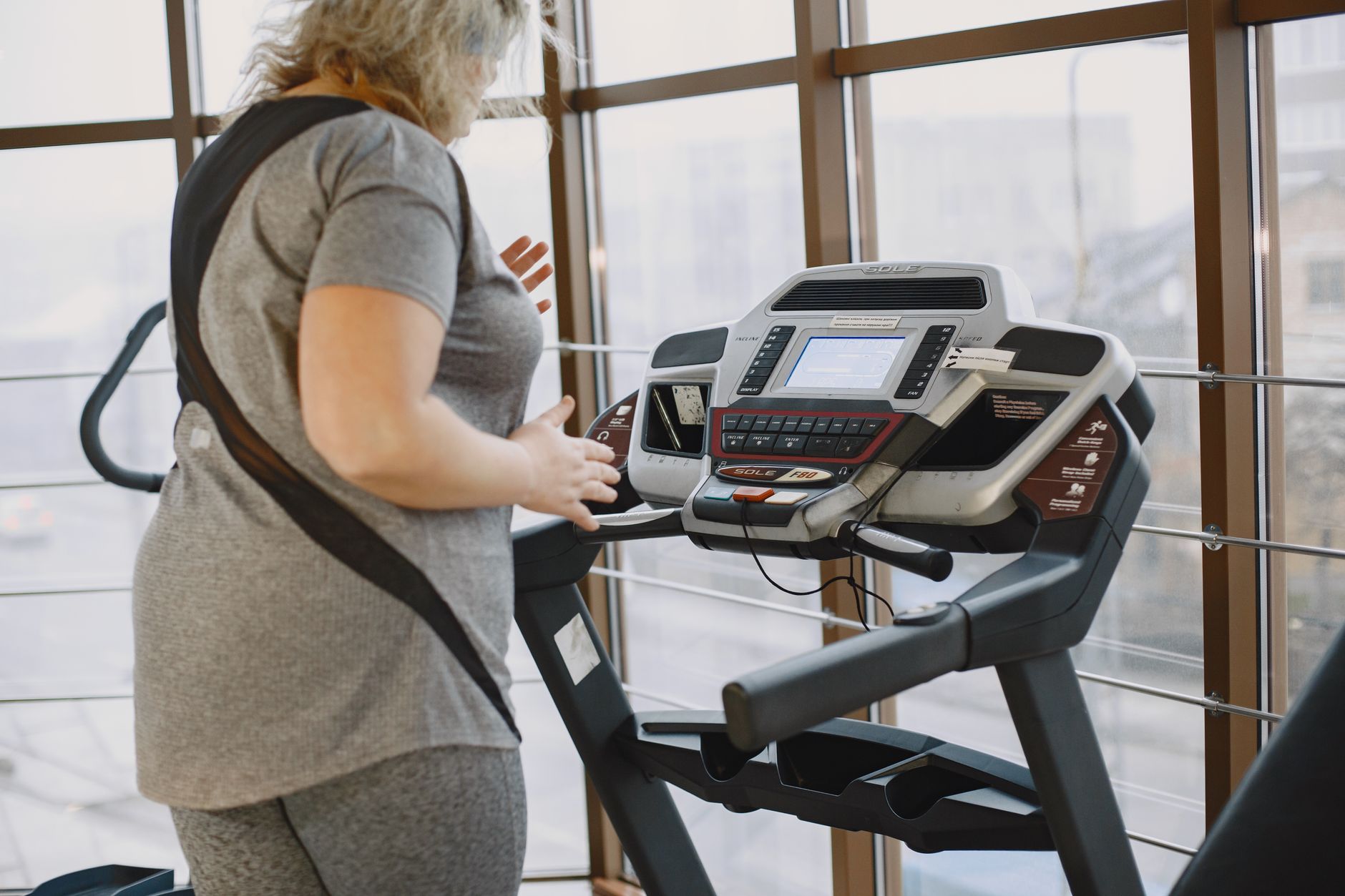
The real answer depends on how the equipment is used day to day. A treadmill in a commercial fitness centre with long operating hours, frequent user changes, and heavier body weights will age faster than a selectorised machine used more lightly. High sweat exposure, dust build-up, and Malaysia’s humidity can also accelerate corrosion, sensor issues, and surface wear if cleaning and inspection are not consistent.
Overloading is another major factor. When users exceed the intended load, the strain does not stay on one part only; it spreads to the belt system, drive system, cables, bearings, fasteners, and structural joints. That can shorten equipment service life and increase the chance of downtime. For procurement teams, the key question is not simply “How long should it last?” but “How hard will it be used, and how quickly will it need service?”
As a practical guide, cardio machines usually age faster than simple strength stations because they contain more moving and electronic components. Racks, benches, and free weights often have a longer service window because their design is simpler, but they still depend on stable frames, intact padding, and safe hardware.
Frame life vs wear parts and electronics
It helps to separate the frame from the parts that wear out first. The frame on quality commercial units may remain structurally sound for a long time, but that does not mean the whole machine is equally durable. Wear parts such as cables, bearings, upholstery, rollers, belts, grips, and pedals are expected to be replaced over time.
For cardio and motor-driven machines, the motor, console, sensors, and other electronics often define practical service life more than the steel frame does. A treadmill frame may still be usable, yet a worn motor, failing board, or unstable display can make repair less attractive than refurbishment or replacement, depending on lifecycle cost and spare-parts support.
That is why buyers should look at the full equipment lifecycle, not only the visible structure. A machine with good spare parts availability, clear service records, and manageable repair history can remain a better investment than a newer unit with poor support. For Malaysian buyers, the team at Desire Gym can help match equipment selection to expected usage, maintenance capacity, and long-term operating cost.
What affects commercial gym equipment lifespan?
The lifespan of commercial gym equipment is conditional, not fixed. It depends on how hard the unit is used, the environment it operates in, and how consistently it is maintained.
Usage volume and overloading
Higher traffic means faster wear, especially on moving and load-bearing components. A machine used all day in a busy fitness centre will age differently from the same model in a low-traffic studio.
- Heavy daily use: More repetitions, more heat, and more friction increase stress on moving parts.
- Overloading: Exceeding rated user weight or training beyond design limits can accelerate damage to frames, joints, and drive systems.
- Poor user behaviour: Slamming weights, dropping plates, or forcing adjustments can shorten service life and increase repair needs.
- Equipment type: Cardio machines with motors and electronics usually face different service demands from racks, benches, and free weights.
In practice, a treadmill, cable machine, squat rack, and dumbbell set do not wear in the same way. Cardio units often need more attention to motors and electronics, while strength machines may see more wear on cables, bearings, and upholstery. Free weights usually last longer structurally, but finishes, grips, and storage systems still need monitoring.
Sweat, dust, humidity, and environment
Malaysia’s warm, humid climate can affect equipment condition if the gym is not managed carefully. Moisture, dust, and poor airflow can speed up corrosion and reduce reliability.
- Sweat exposure: Salt and moisture can damage upholstery, grips, and metal surfaces if not cleaned regularly.
- Dust buildup: Dust can enter consoles, bearings, and moving assemblies, increasing friction and electrical faults.
- High humidity: Humid conditions can contribute to rust, corrosion, and premature wear on exposed metal parts.
- Poor ventilation: Heat and moisture buildup can reduce comfort and place extra strain on electronics and motors.
These factors do not affect every machine equally, but they can shorten the practical service life of equipment if ignored.
Preventive maintenance and service records
Routine care is one of the strongest predictors of longer service life and lower downtime. A clear service log helps owners track repeat faults, part changes, and repair history, which supports better replacement planning.
Gym Equipment Maintenance Service
- Cleaning routines: Regular wiping reduces sweat, dust, and residue on contact surfaces.
- Inspection checks: Early checks on cables, bearings, upholstery, motors, and electronics can catch wear before failure.
- Service log: Records help identify patterns and support smarter repair or refurbishment decisions.
- Spare parts planning: Knowing which parts wear first helps reduce downtime when repairs are needed.
When these factors are managed well, the equipment service life is usually more predictable, and lifecycle cost is easier to control.
Which equipment types wear out first?
The shortest service life usually appears in machines with moving parts, electronics, and heavy daily use. In most gyms, cardio units and cable-based strength machines tend to need attention before fixed steel items such as racks or benches.

Cardio equipment
Cardio machines usually age fastest because they combine motors, consoles, belts, rollers, sensors, and user weight impact. Treadmills often show the earliest wear in the running belt, deck, rollers, and motor control board, while ellipticals and bikes commonly develop issues in pedals, bearings, resistance systems, and consoles. The treadmill motor is not the only concern; electronics and moving contact points often define the real equipment service life.
Strength machines and cable systems
Selectorized machines and cable stations usually last well structurally, but their wear parts need closer monitoring. Cables, pulleys, bearings, guide rods, upholstery, and selector pins are the parts that most often drive repair decisions. If a machine is used heavily, the frame may remain solid while the cable path, bushings, and seat padding need replacement sooner. For buyers comparing options, Commercial GYM Equipment can help narrow choices by category and usage level.
Racks, benches, and free weights
Fixed steel equipment usually has the longest structural life because it has fewer moving parts and no electronics. Racks and benches typically wear through paint loss, bolt loosening, upholstery tears, or pad compression rather than core frame failure. Free weights are even simpler: dumbbells, plates, and bars may last a long time if stored properly, though knurling, coating, sleeves, and collars can still wear. The main issue is not sudden failure, but gradual decline in feel, finish, and safety checks.
| Column | Column |
|---|---|
| Equipment type | What usually wears first |
| Cardio equipment | Belts, decks, rollers, motors, electronics, resistance parts |
| Strength machines and cable systems | Cables, pulleys, bearings, upholstery, guide components |
| Racks and benches | Pads, bolts, weld finish, adjustment hardware |
| Free weights | Coating, sleeves, collars, knurling, storage-related surface wear |
In practice, the first equipment to need replacement is often the one with the highest daily traffic and the most wear parts. That is why owners should compare repair, refurbishment, and replacement by actual usage, not by appearance alone. A machine may still look acceptable while its downtime risk and lifecycle cost are already rising.
When should you repair, refurbish, or replace equipment?
The right choice depends on safety, parts availability, and total cost over time. In simple terms: repair small faults early, refurbish when the main structure is still sound but several wear items need renewal, and replace when the machine is no longer economical or safe to keep in service.
Warning signs that need professional inspection
Some issues should trigger an immediate inspection by a qualified technician, not a trial-and-error fix by staff. If a machine shows unstable movement, repeated electrical faults, unusual grinding or knocking, frayed cables, slipping resistance, cracked welds, or a burning smell from the motor, it should be taken out of use until assessed. The same applies to torn upholstery that exposes foam or internal components, loose adjustment points that do not hold position, and any unit that fails basic function checks after cleaning and tightening.
A service provider can help confirm whether the problem is limited to a replaceable part or whether the equipment has deeper structural or electrical damage. For buyers in Malaysia, Gym Equipment Repair Service is useful when the goal is to diagnose faults before deciding on corrective work.
| Column | Column |
|---|---|
| Decision factor | Repair / refurbish / replace |
| Safety | Repair if the fault is isolated and the frame is sound; refurbish if several wear parts need renewal; replace if the unit is structurally compromised or repeatedly unsafe |
| Downtime | Repair is usually shortest for a single fault; refurbishment takes longer because multiple parts are involved; replacement may be fastest if the old unit is waiting on hard-to-source parts |
| Spare parts | Repair works best when spare parts are available; refurbishment often needs a broader parts list; replacement becomes more practical when parts are discontinued |
| Lifecycle cost | Repair is often lowest for minor faults, but repeated callouts can raise cost; refurbishment can extend service life at a controlled cost; replacement is often better when repair bills keep stacking up |
How to think about lifecycle cost and downtime
Do not judge a machine only by the first repair bill. Compare the repair cost against expected remaining service life, the risk of repeat downtime, and how much lost usage affects the gym floor. A low-cost fix may still be poor value if the same unit keeps failing and interrupting members.
Refurbishment makes sense when the frame, motor, and core structure remain usable, but cables, bearings, upholstery, and electronics are reaching the end of their practical service life. Replacement is usually the clearer choice when faults are recurring, spare parts are uncertain, or the unit’s downtime is affecting daily operations more than the purchase price difference.
For procurement planning, the most practical approach is to keep a service log, track repeat repairs, and compare the total lifecycle cost across the whole asset—not just the next invoice.
What should be in a gym equipment lifecycle register?
A lifecycle register should record the full history of each machine so the gym can plan repair, replacement, and budget decisions with less guesswork. It should capture the asset’s identity, usage, service history, and current risk level in one place.
Service log essentials
A useful register starts with the basics: equipment name, model, serial number, purchase date, location on the gym floor, warranty status, and the person responsible for checking it. Add a short condition note for the frame, cables, bearings, upholstery, motor, and electronics so the team can separate structural condition from wear items.

A simple step-by-step process helps keep the register usable:
- Create one record per asset and assign a unique ID.
- Log every inspection, cleaning task, repair, and fault report on the same record.
- Note the date, issue found, action taken, parts used, and who completed the work.
- Add downtime days, repeat faults, and any safety-related findings.
- Review the register monthly so procurement can see which units are becoming costly to keep in service.
This is especially important for preventive maintenance, because a clear service log shows patterns before they turn into longer downtime or repeated repair visits. For example, a treadmill with recurring belt slip, motor strain, and console errors should be flagged differently from a rack with only cosmetic wear.
Spare parts tracking
The register should also list spare parts that matter most for each asset: cables, bearings, upholstery, belts, sensors, switches, and control boards. Include part numbers where possible, the last replacement date, and whether the item is still easy to source locally in Malaysia.
This helps the gym compare repair options more accurately. If a part is still available and the fault is isolated, repair may be sensible. If several parts are nearing end of service and the machine keeps returning to the workshop, the register should show that the lifecycle cost is rising.
Replacement planning
A lifecycle register should also include a simple replacement trigger. Common triggers include repeated faults, long downtime, discontinued parts, unsafe operation, or repair costs that no longer make sense against the remaining service life. That keeps decisions practical and avoids waiting until the unit becomes a daily disruption.
For procurement teams, the register is not just a maintenance file; it is a planning tool that supports replacement timing, refurbishment decisions, and budget control. If you want help choosing reliable equipment for your facility, Desire Gym can assist with product options, and you can add to cart or WhatsApp to know more.
Frequently Asked Questions
Is commercial gym equipment lifespan the same for every machine?
How do cardio machines compare with strength equipment in lifespan?
What conditions shorten commercial gym equipment lifespan the most?
When should gym equipment be repaired, refurbished, or replaced?
What warning signs mean equipment needs professional inspection?
References
- Matrix Fitness — Equipment Care Guide — Matrix Fitness — Equipment Care Guide
- Keiser — Fitness Equipment Care & Maintenance — Keiser — Fitness Equipment Care & Maintenance
- Markel — Health Club Equipment Maintenance — Markel — Health Club Equipment Maintenance
- SISXFAC001 — Access and interpret maintenance schedules and manufacturer instructions — SISXFAC001 — Access and interpret maintenance schedules and manufacturer instructions