15 Commercial Gym Setup Mistakes Malaysian Businesses Should Avoid
Commercial gym setup mistakes usually happen when Malaysian buyers choose equipment before confirming user demographics, layout, access, flooring, ventilation, electrical needs, storage, installation,
Quick answer
Commercial gym setup mistakes usually happen when Malaysian buyers choose equipment before confirming user demographics, layout, access, flooring, ventilation, electrical needs, storage, installation, warranty, spare parts, maintenance, and replacement plans. A careful procurement process helps avoid mismatched equipment, crowded spaces, and avoidable operating costs.
Key Takeaways
- Match equipment choices to user demographics, training goals, and expected traffic.
- Check commercial-use rating, layout, building access, flooring, ventilation, and electrical requirements before buying.
- Plan for installation, warranty coverage, spare parts, maintenance, and a replacement plan from the start.
- Keep a budget contingency so the project stays workable if site conditions or equipment needs change.

Planning a commercial gym in Malaysia is not only about choosing attractive machines; it is about making practical buying decisions that support daily operations, member experience, and long-term value. This guide highlights the most common commercial gym setup mistakes, including gym setup mistakes Malaysia buyers often face, from poor space planning and weak equipment selection to overlooked accessibility and support needs. It also helps you think through gym planning mistakes and gym equipment buying mistakes before you commit, so your purchase list fits the site, the users, and the operating budget. At Desire Gym, the goal is to help you buy with more clarity, better control, and fewer costly surprises.
What are the most common commercial gym setup mistakes in Malaysia?
The most common commercial gym setup mistakes in Malaysia usually come from buying too early, planning too narrowly, and underestimating how the site will work once members start using it. In practice, the biggest issues are mismatched equipment, poor space planning, and weak checks on installation and support.
Why these mistakes happen
Many gym planning mistakes start when buyers focus on showroom appearance instead of daily operations. A machine may look suitable online, but it can become awkward in a real Malaysian site if the entrance is narrow, the lift is small, the room height is limited, or the power supply is not confirmed first. Another common issue is treating the project as a one-time purchase rather than a working business setup with user demographics, flooring, ventilation, storage, accessibility, and replacement planning to consider.

Here are the 15 most common issues to watch for:
- Buying before defining target users — consequence: the mix may not match beginners, students, office workers, or strength-focused users; prevention: set user demographics first.
- Choosing home-use equipment for shared traffic — consequence: faster wear and lower confidence in the setup; prevention: confirm a commercial-use rating.
- Budgeting only for machine prices — consequence: site preparation and support items get squeezed out; prevention: include budget contingency for installation, flooring, and accessories.
- Selecting the wrong cardio and strength balance — consequence: popular zones feel crowded while other machines sit idle; prevention: size the mix by expected usage.
- Ignoring dimensions, doors, lifts and stairs — consequence: delivery delays or equipment that cannot be moved into place; prevention: measure building access before ordering.
- Poor zoning of training areas — consequence: traffic feels cramped and less organised; prevention: separate cardio, strength, free weights, and functional areas clearly.
- Weak flooring planning — consequence: noise, instability, and faster surface wear; prevention: choose flooring based on equipment load and use.
- Overlooking ventilation — consequence: rooms feel hot and less comfortable during peak periods; prevention: plan airflow and cooling early.
- Underestimating electrical needs — consequence: some machines or accessories may not be ready for use; prevention: check power points and load requirements.
- No clear storage plan — consequence: accessories end up scattered and the floor looks untidy; prevention: assign storage for dumbbells, mats, and small items.
- Forgetting accessibility — consequence: some users may find movement around the gym difficult; prevention: keep routes wide and practical.
- Skipping installation checks — consequence: delays and avoidable rework; prevention: confirm who installs, when, and what is included.
- Weak warranty review — consequence: support expectations are unclear after delivery; prevention: compare warranty terms before purchase.
- No spare parts plan — consequence: minor issues may take longer to resolve; prevention: ask what parts are stocked locally.
- No maintenance or replacement plan — consequence: equipment ageing becomes harder to manage; prevention: set a basic upkeep and replacement schedule from day one.
How to avoid repeating them
The safest approach is to treat the purchase as a full project, not just a shopping list. Review the site, confirm the users, match the equipment mix to the floor plan, and check support details before payment. For Malaysian buyers, that means asking practical questions about access, power, warranty, spare parts, and installation, then keeping enough room in the budget for the items that make the gym workable after delivery. If needed, the gym can help compare options and guide the order list before you add to cart or WhatsApp to know more.
How do you choose equipment for the right users and training mix?
Start with the people who will actually use the gym, then build the equipment list around their training habits. If your members are mostly office workers, beginners, or mixed-age users, the mix should feel approachable and easy to use; if you expect serious lifters or sports-focused users, you need more strength stations and heavier-duty frames.
Define your user demographics first
Before placing an order, profile your user demographics by age, fitness level, visit frequency, and training goal. A staff gym for 40–60 employees will usually need different equipment from a condo gym, student facility, or boutique fitness studio. For example, a general corporate gym may need more easy-entry cardio machines and a compact dumbbell area, while a performance-focused space may need more racks, benches, and plate-loaded stations.
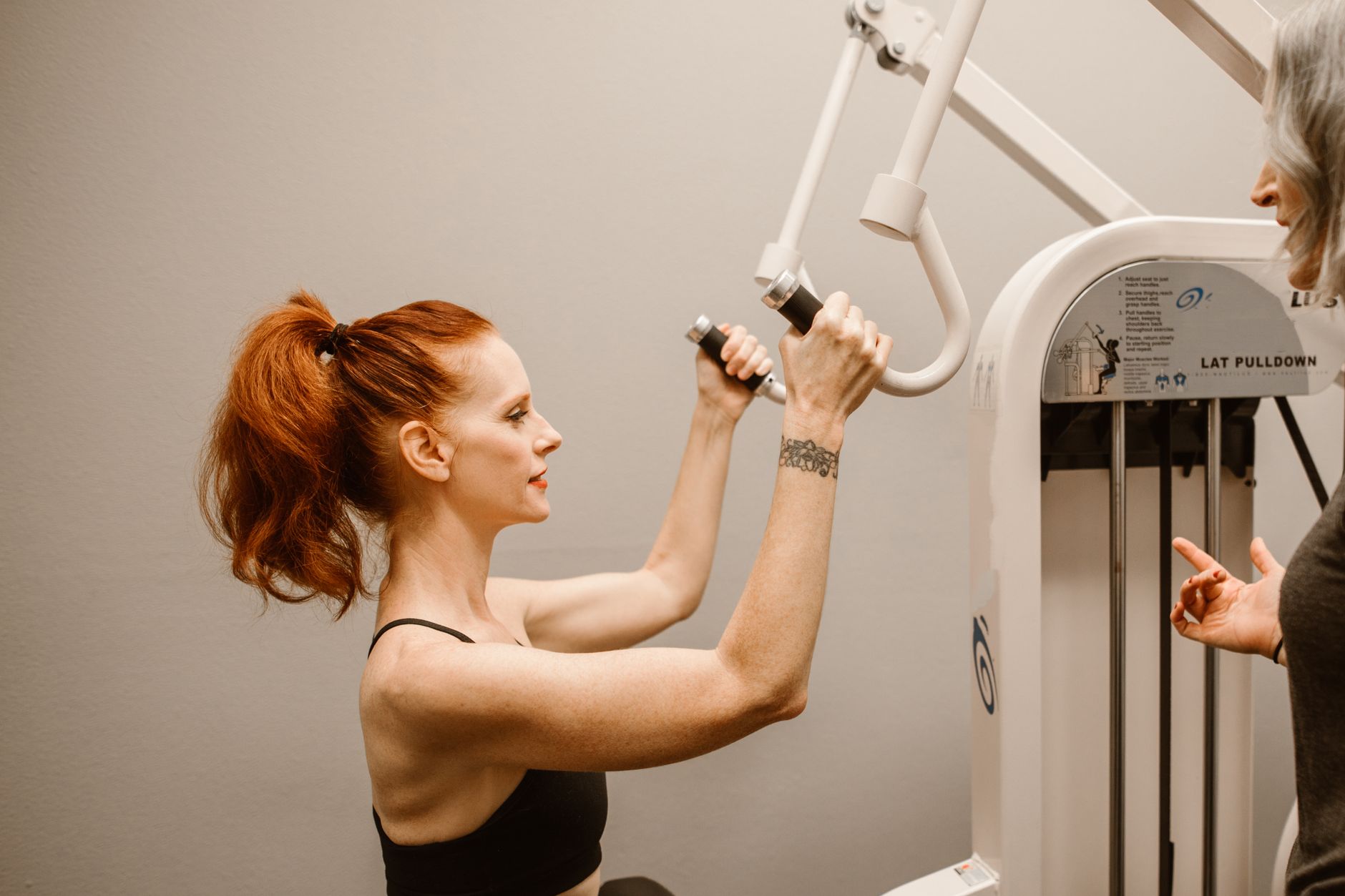
Use a simple planning rule: match the equipment to the people, not the other way around. If the majority are beginners, choose clear, intuitive machines with visible adjustments and simple controls. If the user base includes heavier or high-frequency users, prioritise frames, upholstery, and moving parts designed for repeated shared use. For a deeper selection guide, see Office Gym Setup: Best Commercial Equipment Guide.
Balance cardio, strength, and specialty zones
The cardio-to-strength mix should reflect how long people usually train and what they want from the space. A practical starting point for mixed users is to keep cardio broad enough for warm-ups and steady-state sessions, then reserve enough strength capacity for multiple users at once. For example, an office gym may lean toward treadmills, bikes, and rowers, while a residential or athlete-heavy space may need more squat racks, cable stations, and free weights.
| User group | Better equipment mix |
|---|---|
| Beginners or office workers | More cardio, selectorised machines, light free weights |
| Mixed users | Balanced cardio and strength, plus one functional area |
| Strength-focused users | More racks, benches, cables, and plate-loaded stations |
Specialty zones should be added only when they support the main user profile. A stretching corner, functional turf, or rehab-friendly area can be useful, but it should not replace core training equipment that most users will expect.
Choose commercial-use rating over home-use models
This is one of the most important procurement decisions in a business gym. Home-use equipment may look similar, but it is usually built for lighter personal use, not repeated sharing across many users. Commercial-use rating equipment is designed for heavier traffic, more stable performance, and a more suitable warranty structure for business settings.
| Column | Column |
|---|---|
| Home-use equipment | Lower upfront price, lighter construction, better for occasional personal use |
| Commercial-use equipment | Stronger build, better suited to shared use, more appropriate for business environments |
When comparing options, check whether the frame, motor, upholstery, and moving parts are specified for commercial use, and confirm how the warranty applies in a business setting. Also review installation, spare parts, and service support before purchase so the equipment choice matches both the users and the long-term operating plan.
What space, access, and facility checks should you complete before buying?
Before you place an order, complete a site audit of the building access, room layout, utilities, and future operating needs. This step helps you avoid common gym planning mistakes such as equipment that cannot be delivered cleanly, a floor plan that feels crowded, or a power setup that does not match the machines you selected.
Measure doors, lifts, stairs, and delivery paths
- Measure every doorway, corridor, lift opening, stair landing, and turning point from the loading area to the final room. Compare these measurements with the largest item you plan to buy, not just the carton size. A treadmill, multi-gym, or heavy strength machine may fit on paper but still be difficult to move through a narrow bend or low lift opening.
delivery team moving treadmill through doorway - Check the building access route in advance. Confirm whether the property has loading bay access, service lift access, stair-only access, or time restrictions for deliveries. In Malaysia, this matters for shoplots, office floors, and upper-level units where access can add time and handling complexity.

- If the route is tight, ask whether the equipment can be delivered in sections and assembled on site. This is where Gym Installation becomes useful, because the team can advise whether the chosen items suit the building layout before the purchase is finalised.
Plan flooring, zoning, storage, ventilation, and power
- Map the room into clear zones: cardio, strength, free weights, stretching, and circulation space. Good zoning reduces overlap and helps users move safely and comfortably between areas. It also prevents the floor from becoming cluttered with plates, mats, and accessories.
- Choose flooring based on the activity in each zone. Heavier lifting areas usually need more supportive flooring than a light cardio corner, while storage areas should stay dry, level, and easy to clean. Also plan a proper storage point for dumbbells, bars, mats, and spare accessories so equipment is not left in walkways.
- Review ventilation and electrical points before ordering. Check whether the room has enough airflow for the expected user load and whether sockets, circuit capacity, and cable routes are suitable for the machines you want. Poor utility planning is one of the most expensive gym equipment buying mistakes because it can force last-minute changes after delivery.
Check accessibility and future expansion space
- Make sure the layout allows comfortable access for different user demographics, including older users, beginners, and people who need wider movement paths. Keep entrances, machine spacing, and walkways practical rather than packed.
- Leave room for future additions, replacement plan needs, and service access behind machines. A small buffer in the layout makes it easier to add equipment later without a full redesign.
- Finally, confirm warranty terms, spare parts support, installation scope, and maintenance responsibilities before you buy. For Malaysian buyers, this protects the long-term value of the setup and helps the gym stay organised, serviceable, and ready for growth.
How should you budget for installation, warranty, maintenance, and replacement?
Budget for more than the machine price alone. A practical gym budget should include delivery, installation, warranty coverage, routine upkeep, and a replacement reserve so your fitness centre can operate smoothly after opening.
Build a realistic budget contingency
Start by setting aside a contingency for items that are easy to overlook during gym planning mistakes, such as delivery adjustments, added fittings, minor electrical work, and layout changes after site inspection. For Malaysian buyers, a useful rule is to treat the equipment quote as only part of the total project cost, not the full budget. If the room still needs flooring upgrades, power work, or access adjustments, those costs should be planned before purchase rather than added later.
It also helps to budget differently for user demographics. A gym serving beginners, office workers, and older users may need more versatile machines, more clear circulation space, and a broader mix of equipment than a highly specialised training room. That affects both the initial spend and the future upgrade path.
Check installation scope and spare parts support
Before confirming an order, ask exactly what installation includes. Does it cover assembly, positioning, testing, and basic user handover, or only delivery to the site? This matters because some gym equipment buying mistakes happen when the buyer assumes setup is included, then needs extra labour after the equipment arrives.
Also confirm whether the equipment has a clear commercial-use rating and whether the supplier can support long-term use with spare parts, service advice, and replacement components. A machine may look suitable on paper, but if rollers, cables, pads, or electronic parts are difficult to source, downtime becomes harder to manage. For a practical checklist, see Gym Equipment Maintenance Checklist Malaysia.
Plan maintenance and replacement from day one
Good gym planning includes a maintenance calendar, a spare-parts list, and a replacement plan for high-wear items. That means thinking about belts, upholstery, grips, pedals, and other parts that may need attention as usage increases. It also means deciding who is responsible for inspection, cleaning support, and service follow-up.
For example, if a machine is expected to be used heavily, the team should already know when to repair, when to replace, and which items should be kept in reserve. This approach protects the long-term value of the setup and makes future expansion easier. If you are comparing options, the team at Desire Gym can help you match equipment choices with installation needs, warranty terms, and spare parts support before you add to cart or WhatsApp to know more.
Commercial gym setup checklist for Malaysian businesses
Start with a clear checklist before you buy anything. The most practical setup is one that matches your users, fits the building, and stays workable after opening.
Pre-purchase checklist
- Define user demographics first: office workers, students, hotel guests, or serious lifters will need different machine mixes and durability levels.
- Match every key item to a commercial-use rating so it is suitable for frequent shared use, not occasional home use.
- Check layout against real site constraints: doorway width, lift size, stair turns, loading bay access, ceiling height, and floor load points.
- Plan the equipment mix early. A balanced floor usually needs enough cardio, strength, and free-weight space so one category does not crowd out the others.
- Budget beyond machine prices. Include flooring, delivery, installation, electrical work, ventilation, storage, and a budget contingency for small site changes.
- Confirm accessibility from the start, including clear walkways, machine spacing, and access for different user needs.
- Review the building access path before ordering large items. A treadmill or multi-station unit may fit the room but still be difficult to move through the premises.
Post-installation checklist
Once the equipment is in place, test the full room flow. Users should be able to move between zones without tight bottlenecks, and staff should be able to clean, inspect, and restock easily.
Check that flooring is stable under loaded machines and that ventilation keeps the room comfortable during peak hours. Electrical points should support the actual equipment load, with no messy cable runs across walking paths. Storage should be planned for mats, dumbbells, accessories, and cleaning items so the training area stays organised.
After installation, record the warranty details, spare parts contacts, and service responsibilities in one place. This makes it easier to follow up when anything needs attention. A simple replacement plan for high-wear items also helps the fitness centre stay ready for future demand.
Questions to ask your supplier
Is this equipment suitable for shared commercial use?
Ask for the commercial-use rating, recommended user profile, and expected duty level so you can compare options fairly.
Can it be delivered and installed in our building?
Confirm access requirements, lift dimensions, stair handling, and whether the team will manage on-site assembly.
What support is included after purchase?
Check warranty coverage, spare parts availability, installation support, and how maintenance or replacement requests are handled.
Can you help us plan the room layout?
A good supplier should help you match dimensions, electrical needs, flooring, and ventilation with the equipment list.
If you want a practical buying path for your Malaysian gym project, Desire Gym can help you choose the right equipment, compare options, and add to cart or WhatsApp to know more.
Frequently Asked Questions
What should I define first before buying commercial gym equipment?
Why is home-use equipment a bad choice for a shared gym?
How should I budget for a commercial gym setup beyond equipment prices?
What layout and facility checks are most important before ordering gym equipment?
What long-term planning should I ask about before finalizing a gym purchase?
References
- Department of Occupational Safety and Health (DOSH) Malaysia — Department of Occupational Safety and Health (DOSH) Malaysia
- Ministry of Human Resources Malaysia: Guidelines on Occupational Safety and Health in the Service Sector — Ministry of Human Resources Malaysia: Guidelines on Occupational Safety and Health in the Service Sector
- Department of Occupational Safety and Health (DOSH) Malaysia: Guidelines for Manual Handling at Workplace 2018 — Department of Occupational Safety and Health (DOSH) Malaysia: Guidelines for Manual Handling at Workplace 2018
- American College of Sports Medicine (ACSM): Health/Fitness Facility Standards and Guidelines — American College of Sports Medicine (ACSM): Health/Fitness Facility Standards and Guidelines
- Occupational Safety and Health Administration (OSHA): General safety and health provisions — Occupational Safety and Health Administration (OSHA): General safety and health provisions