Hotel Gym Equipment Planning Guide Malaysia: Equipment, Space & Maintenance
Hotel gym equipment Malaysia should be planned around guest profiles, available space, operating hours, and maintenance demands, not just the number of machines. A practical setup usually combines com
Quick answer
Hotel gym equipment Malaysia should be planned around guest profiles, available space, operating hours, and maintenance demands, not just the number of machines. A practical setup usually combines commercial-grade cardio equipment, strength equipment, free weights, durable flooring, ventilation, and noise and vibration control so the gym stays guest-friendly, reliable, and efficient for hotel procurement teams and resort operators.
Key Takeaways
- Match equipment choices to guest demographics, including business travellers, leisure guests, and fitness-focused visitors.
- Use a balanced mix of cardio equipment, strength equipment, and free weights instead of overbuying large machines.
- Plan flooring, ventilation, noise and vibration control, and 24-hour gym access early in the layout.
- Choose commercial-grade equipment that is easier to maintain and better suited to long-term hotel operation.
This guide explains how to plan hotel gym equipment Malaysia for practical use, not showroom appearance. It helps hotel and resort decision-makers think through guest demographics, space limits, 24-hour gym operation, and maintenance needs before purchasing. With a procurement-friendly approach, DesireGYM focuses on the right mix of commercial-grade equipment, flooring, ventilation, and durable training options that support long-term reliability.
What does a hotel gym typically need in Malaysia?
A hotel gym in Malaysia typically needs a compact mix of cardio equipment, strength equipment, free weights, and a small stretching area, with commercial-grade durability and easy guest use. For most properties, the right setup for hotel gym equipment Malaysia is less about quantity and more about choosing reliable pieces that suit the space and guest profile.
Core equipment categories
The exact mix should reflect guest demographics. Business travellers often want quick cardio sessions before meetings, while leisure guests may prefer simple resistance training and light recovery work. A practical hotel gym setup usually starts with:
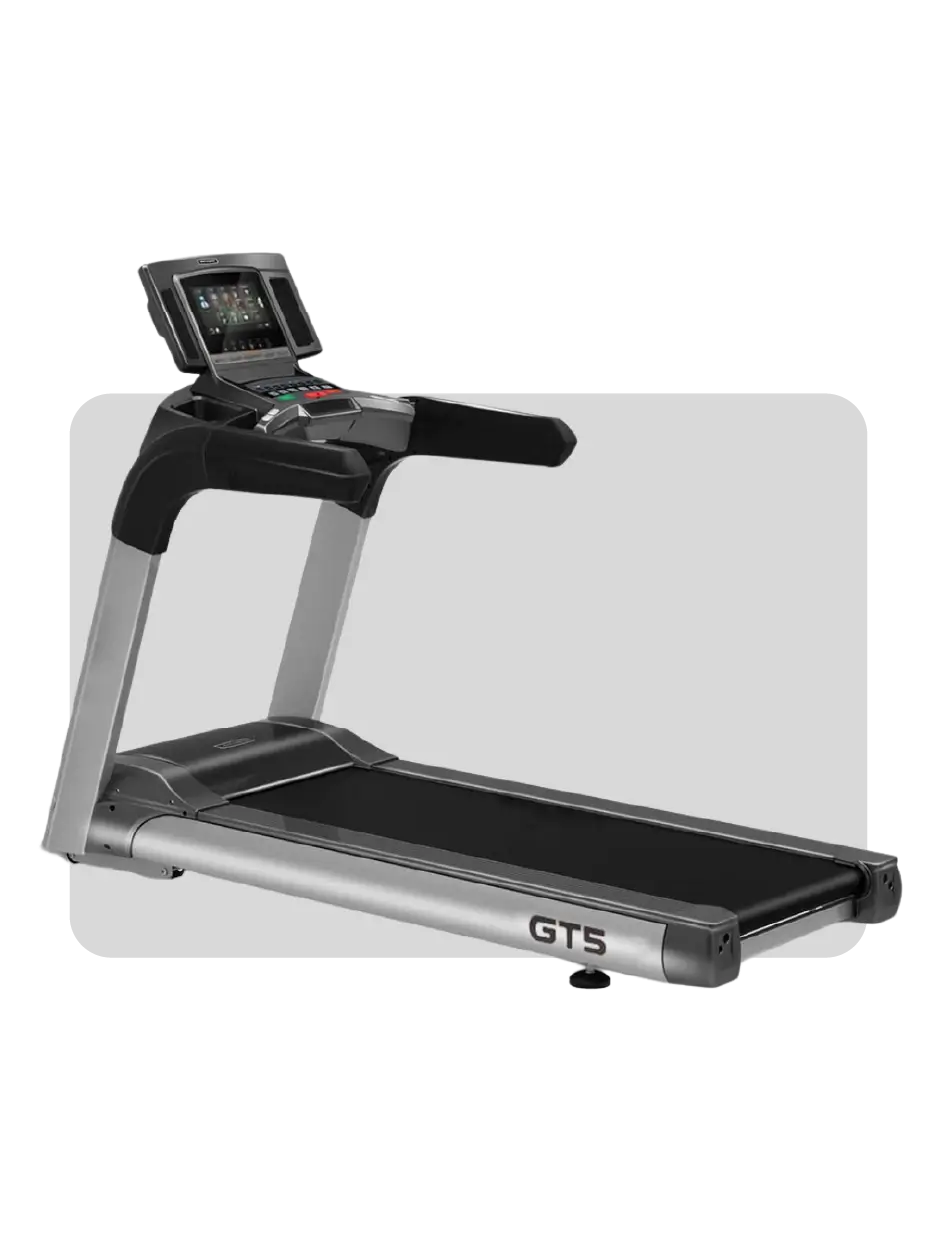
- 1–2 treadmills or a compact cardio mix
- 1 upright or recumbent bike
- 1 cross trainer or similar low-impact machine
- A multi-station strength machine or a few selectorised units
- Dumbbells, adjustable benches, and a small mat area for stretching
For a resort gym equipment plan, it is also sensible to include more open floor space for mobility work, especially if families, older guests, or casual users are expected. In many hotel gym planning projects, the best result comes from equipment that is intuitive, low-maintenance, and suitable for self-service use. The World Health Organization recommends adults get 150 minutes of moderate-intensity activity per week (WHO, 2020), which supports the need for simple, accessible training options rather than advanced specialist machines.
If you want broader planning context, the team can also refer to for a more complete operational view.
What to keep simple for guests
Guest use is usually highest when the layout is clear and the machines are easy to understand. Keep controls visible, instructions short, and signage direct, especially in a 24-hour gym where staff may not always be present. One or two large cardio machines are often more practical than many niche units because they are familiar to most users and easier to maintain.
It is also important to plan for noise and vibration, especially in upper-floor rooms or near guest accommodation. Quality flooring helps reduce impact, protect the building, and improve comfort during peak use. Good ventilation is equally important in Malaysia’s humid climate, because it supports a fresher training environment and helps equipment last longer.
For hotel procurement teams, the most reliable approach is to prioritise commercial-grade equipment, basic free weights, and a layout that can be serviced quickly. This keeps the gym functional, guest-friendly, and easier to manage over time. DesireGYM can support buyers who want practical options, clear product guidance, and a smoother add to cart or WhatsApp to know more process.
How should guest demographics shape hotel gym equipment choices?
Guest demographics should guide the mix of machines, free weights, and layout features you choose. A business hotel, a family resort, and a fitness-oriented property will not use the same hotel gym setup, because each group has different time limits, fitness habits, and comfort expectations.
Business travellers
Business travellers usually prefer quick, familiar workouts before meetings or after long flights. They are most likely to use treadmills, bikes, cross-trainers, adjustable dumbbells, and a small stretching corner. For this group, easy-to-read controls, fast-start programmes, and clear instructions matter more than a large variety of specialist stations.
If your property serves frequent short-stay guests, choose equipment that supports efficient sessions and simple cleaning. A compact room with a few commercial-grade pieces may perform better than a crowded floor plan. This is also where becomes useful, because circulation, access, and spacing affect how comfortably guests can move through the area.
Leisure and family guests
Leisure guests and families often have wider age ranges and less training experience. They tend to use lower-intensity cardio equipment, light strength equipment, and free weights in a more cautious way. Some may only want a short session after breakfast, while others may use the space to keep to a holiday routine.
For this group, the priority is a welcoming environment with simple signage, visible safety reminders, and enough room for beginners to feel comfortable. A resort gym equipment plan may also benefit from mats, foam rollers, and a dedicated stretching area, because recovery and mobility work are often more appealing than heavy lifting. If children are staying nearby, access control and supervision rules should be clear to reduce confusion.
Fitness-focused guests
Guests who train regularly will expect stronger equipment variety and better durability. They are more likely to look for a fuller strength zone, heavier free weights, and sturdier machines that can handle repeated daily use. Even then, the layout should stay practical rather than excessive, because most hotel gyms still serve mixed users.
| Guest profile | Most-used equipment | Layout features to prioritise |
|---|---|---|
| Business travellers | Cardio machines, adjustable dumbbells, stretching mats | Fast access, simple controls, short workout flow |
| Leisure and family guests | Light cardio, free weights, mobility tools | Clear signage, open circulation, beginner-friendly spacing |
| Fitness-focused guests | Strength equipment, heavier free weights, mixed training zones | Commercial-grade durability, wider training area, easy maintenance access |
For procurement teams, the safest approach is to match guest demographics with realistic usage patterns, then choose equipment that supports those patterns without overbuying. DesireGYM can help buyers compare options for hotel procurement, balance cost with durability, and move forward with add to cart or WhatsApp to know more when the shortlist is ready.
Hotel gym setup by space size: small, medium, and larger layouts
The right hotel gym setup depends on floor area, guest mix, and how many people may train at the same time. A compact room can still feel complete if the layout is planned well, while larger properties should create clear zones rather than simply adding more machines.
Small hotel gyms
Small spaces usually work best with a lean mix of 4–6 core stations: one or two cardio machines, one strength option, adjustable dumbbells, a bench, and stretching space. The priority is a simple flow that lets one guest finish a full session without crowding the entry or blocking access.
In compact rooms, choose equipment with a narrow footprint and easy controls so guests can use it quickly, even in a 24-hour gym environment. Keep walkways open, place mirrors only where they do not create visual clutter, and use to confirm safe circulation before ordering. For small footprints, one treadmill, one cross-trainer, and one set of free weights may be enough to cover basic demand.
Medium hotel gyms
Medium-sized layouts can support a more balanced mix of cardio equipment, strength equipment, and free weights. A practical approach is to divide the room into three areas: warm-up/cardio, resistance training, and stretching or recovery. This reduces bottlenecks and makes the room easier to use for guests with different fitness levels.
- Measure the usable floor area and mark door swing, columns, and service access points.
- Place the largest cardio units first, then add strength equipment where wall clearance is stable.
- Fill remaining space with free weights, mats, and storage so traffic flow stays clear.
For this type of space, commercial-grade equipment is usually the safer choice because it better handles repeated daily use and supports smoother hotel procurement decisions. Clear signage also matters here, especially for first-time users who may want a quick, self-guided session.
Larger resort gyms
Larger resort gyms can support separate zones for heavier lifting, multiple cardio machines, and a dedicated mobility area. This suits properties with broader guest demographics, including longer-stay visitors and active leisure guests who expect more variety from their resort gym equipment.
For bigger rooms, planning should also consider noise and vibration, flooring, ventilation, and building access. Rubber flooring helps reduce impact, while solid ventilation keeps the space comfortable during peak use. If the gym sits near guest rooms or shared corridors, equipment placement should minimise vibration transfer and keep maintenance access straightforward.
A larger layout does not need to be overfilled; it needs to feel organised, durable, and easy to manage. DesireGYM can help buyers compare options by space size, shortlist commercial-grade equipment, and move forward with add to cart or WhatsApp to know more when the layout is ready.
What matters most for 24-hour hotel gym operation?
The most important priorities are simple equipment, clear guidance, and controlled access. For a 24-hour hotel gym, the goal is to keep the space safe and easy to use even when no staff member is present.
Ease of use
A 24-hour setup should favour commercial-grade equipment with straightforward controls, clear start/stop functions, and minimal adjustment steps. That reduces confusion for first-time users and lowers the chance of improper use during quieter overnight hours. The best hotel gym setup usually includes a short list of reliable machines rather than complicated machines that need constant explanation.
Operational priorities that help the gym stay simple, safe, and easy for different guests to use:
- Select cardio equipment with clear consoles and quick-start options.
- Choose strength equipment with visible adjustment points and safe movement paths.
- Keep free weights organised on racks with easy weight labels.
- Leave a clear stretching area so guests can warm up or cool down without blocking machines.
- Use durable flooring that supports daily cleaning and helps control noise and vibration.
- Plan ventilation so the room stays comfortable during low-staff periods.
- Keep equipment placement open enough for cleaning, inspection, and emergency access.
Routine upkeep matters as much as the equipment mix itself. A practical maintenance schedule should include wipe-down checks, cable inspection, and monthly servicing records. For a more structured checklist, see Gym Equipment Maintenance Checklist Malaysia.
Signage and guest guidance
Clear signage is essential in a 24-hour gym because guests may arrive with different levels of fitness experience. Simple instructions near each machine, basic safety reminders, and visible operating labels help reduce misuse. Signs should be direct, readable, and placed at eye level.
It also helps to provide a short “how to use” guide for key areas such as cardio, strength equipment, and free weights. One or two well-placed notices are usually more effective than crowded wall text. For hotel procurement, this is a practical way to support guest confidence without adding extra staffing pressure.
Access and supervision
Access control should be easy to manage and secure after hours. Many properties use card access, key access, or lift-controlled entry so only registered guests can enter. This is especially useful in a 24-hour hotel gym where foot traffic may vary by season and guest demographics.
If the gym is unattended overnight, the space should still feel monitored through CCTV, emergency contact details, and visible house rules. The layout should also support quick response if a guest needs help. In this type of hotel gym equipment Malaysia planning, the safest approach is usually a room that is simple to navigate, easy to supervise, and built for consistent use by the hotel and the team at DesireGYM.
How do flooring, noise and maintenance affect long-term reliability?
Flooring, noise control, and routine maintenance have a direct effect on how long a hotel gym stays usable and presentable. Good planning reduces wear on equipment, protects the building structure, and helps the space remain comfortable for guests over time.
Flooring and vibration control
Why does flooring matter in a hotel gym?
Proper flooring protects both the equipment and the building. Rubber flooring, impact-absorbing mats, and stable lifting zones help reduce vibration transfer to adjacent rooms, especially in upper floors or mixed-use properties. This matters most in areas with free weights, treadmills, and other moving machines that create repeated impact.
What should buyers look for?
For a hotel gym setup, choose flooring that is durable, easy to clean, and suitable for commercial-grade equipment. In strength zones, thicker mats or rubber tiles help reduce noise from dropped weights and footfall. In cardio areas, a level base helps keep machines stable and lowers long-term wear on frames, belts, and internal parts.
How does this affect guest comfort?
When vibration is controlled properly, guests in nearby rooms are less likely to hear repeated thumping or machine movement. That is especially important in resort gym equipment plans where peaceful room comfort and shared walls can affect the guest experience.
Ventilation and comfort
Why is ventilation so important?
Exercise areas heat up quickly, so ventilation should support airflow, odour control, and humidity reduction. In Malaysia’s climate, poor air movement can make even a small gym feel crowded and uncomfortable.
What practical setup works best?
A balanced HVAC system, ceiling fans where appropriate, and enough space between stations help prevent hot spots. For a 24-hour gym, this is even more important because the room may be used at different intensities throughout the day and night. Comfortable temperature control also helps protect electronic displays and moving parts from unnecessary strain.
Maintenance records and replacement planning
Long-term reliability depends on disciplined upkeep. A simple log for inspections, cleaning, lubrication, belt checks, and part replacements helps the team spot small issues before they become service interruptions. The team should also keep purchase dates, warranty details, and service intervals in one place. A practical Gym Equipment Maintenance Checklist Malaysia can help hotel procurement teams standardise this process.
What should be tracked over time?
Track usage patterns, repair history, and any repeated faults on cardio equipment and strength equipment. If a machine needs frequent servicing, replacement may be more cost-effective than repeated repairs.
When should equipment be replaced?
Replace items when safety, stability, or performance starts to decline, or when parts become difficult to source. For hotels, reliable maintenance records make budgeting easier and reduce downtime in busy guest periods.
For hotels planning long-term value, DesireGYM can supply dependable commercial-grade equipment and support procurement decisions with practical advice. Add to cart or WhatsApp to know more.
Frequently Asked Questions
What equipment does a hotel gym typically need?
How should hotel gym equipment be chosen for different guest types?
What should a small hotel gym include?
How do hotels handle noise, vibration, and ventilation in a gym room?
How should a hotel manage gym maintenance and replacement planning?
References
- Department of Occupational Safety and Health (DOSH) Malaysia — Occupational Safety and Health Act 1994 — Department of Occupational Safety and Health (DOSH) Malaysia — Occupational Safety and Health Act 1994
- Department of Occupational Safety and Health (DOSH) Malaysia — Occupational Safety and Health in the Service Sector (Hotels and Restaurants) — Department of Occupational Safety and Health (DOSH) Malaysia — Occupational Safety and Health in the Service Sector (Hotels and Restaurants)
- Department of Occupational Safety and Health (DOSH) Malaysia — Occupational Safety and Health in the Hotel Sector — Department of Occupational Safety and Health (DOSH) Malaysia — Occupational Safety and Health in the Hotel Sector
- Whole Building Design Guide (WBDG) — Fitness Center Design Guide — Whole Building Design Guide (WBDG) — Fitness Center Design Guide
- Health & Fitness Association — 21 Best Practice Guidelines for Fitness Facility Layout & Design — Health & Fitness Association — 21 Best Practice Guidelines for Fitness Facility Layout & Design