Commercial Treadmill Buying Guide Malaysia: What Businesses Should Compare
A commercial treadmill Malaysia buyers choose should match the facility’s user volume, budget, and space, while comparing commercial-use rating, AC motor or DC motor, running area, speed, incline, wei
Quick answer
A commercial treadmill Malaysia buyers choose should match the facility’s user volume, budget, and space, while comparing commercial-use rating, AC motor or DC motor, running area, speed, incline, weight capacity, electrical requirements, cushioning, warranty, spare parts, and maintenance support. For gyms, hotels, condos, and offices, the right model is the one that balances durability, comfort, and after-sales confidence.
Key Takeaways
- Compare the treadmill’s commercial-use rating against your expected daily usage.
- Check motor type, running area, speed, incline, and weight capacity before buying.
- Confirm electrical requirements, cushioning, warranty, spare parts, and maintenance support.
- Choose a model that fits your facility type, whether gym, hotel, condo, or office.
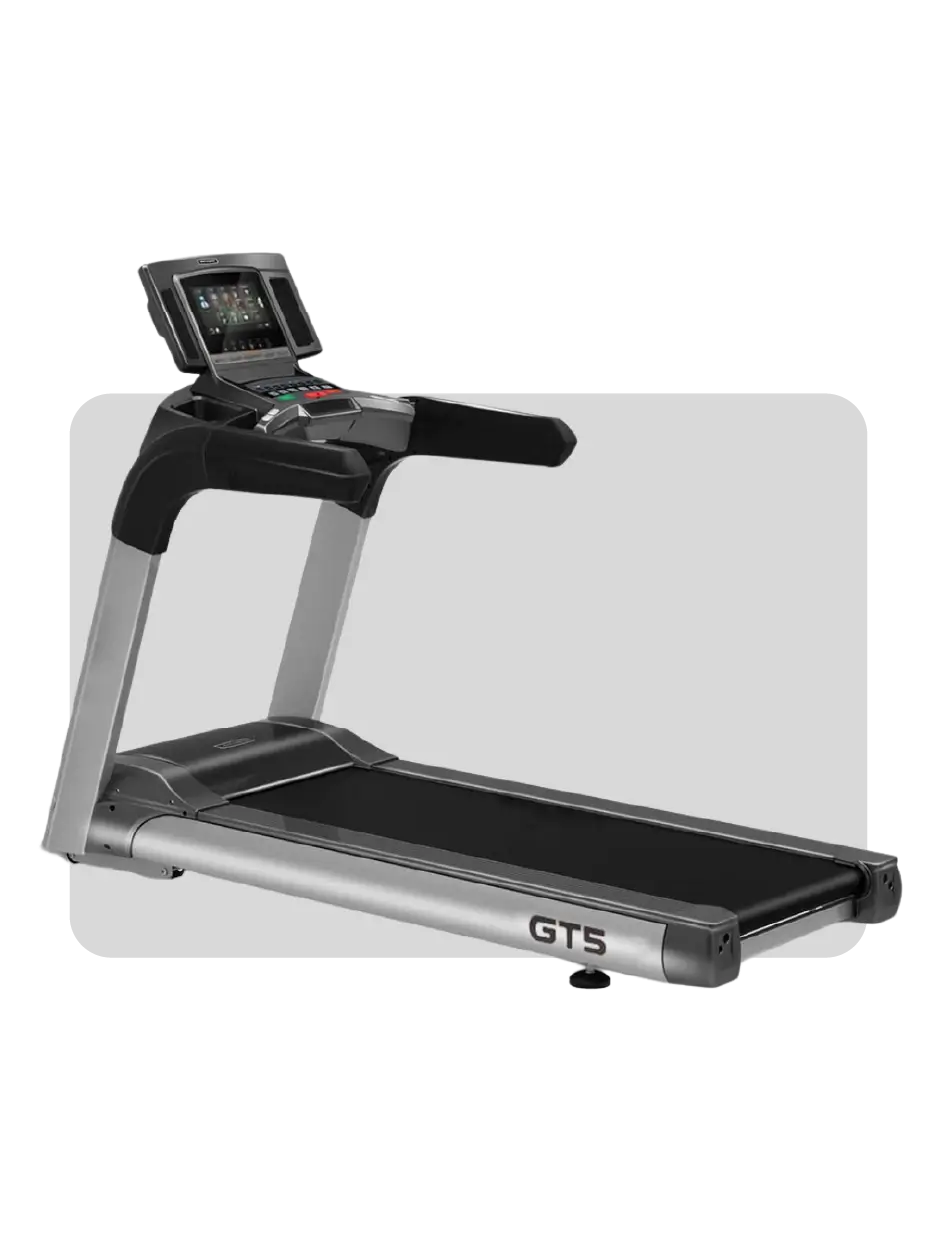
Choosing a commercial treadmill for a Malaysian facility is easier when you compare the factors that affect real daily use, not just the headline price. This commercial treadmill buying guide explains how to assess user volume, AC motor and DC motor options, running area, speed, incline, weight capacity, electrical requirements, cushioning, warranty, spare parts, and maintenance. It is designed for buyers managing a gym, hotel, condo, office, or fitness space, with practical support from DesireGYM for confident procurement decisions.
What Is a Commercial Treadmill and How Is It Different From Home Use?
A commercial treadmill is built for frequent, shared use in facilities such as a gym, hotel, condo, or office fitness room. A home treadmill is designed for fewer users and lighter weekly use, so it usually does not need the same level of durability or service support.
Commercial use
In a commercial setting, the machine should tolerate long operating hours, multiple users, and repeated starts and stops without feeling unstable. For a commercial treadmill Malaysia buyer, the key issue is not just whether the machine works, but whether it can handle daily traffic with consistent performance and easier servicing.
| Use Category | Expected Traffic | Durability Expectation | Best Fit For |
|---|---|---|---|
| Commercial use | High, shared daily use | Built for heavier duty cycles and regular maintenance | Gym, hotel, condo, corporate wellness room |
| Light-commercial use | Moderate use with fewer peak users | More robust than home equipment, but not for constant traffic | Boutique studio, small condo, serviced apartment |
| Home use | Low to moderate individual use | Designed for personal workouts and lighter scheduling | Households and individual buyers |
Commercial equipment is usually chosen for better serviceability, stronger frame construction, and easier parts replacement. This matters because facilities need predictable uptime and fewer disruptions to members or guests. When comparing options, it helps to review this Commercial vs Home Gym Equipment Guide before deciding which category matches your site.
Light-commercial use
Light-commercial treadmills sit between home and full commercial models. They can suit smaller shared spaces where usage is regular but not intense, such as a condominium fitness room with controlled access or a small hotel gym. Buyers should still check the commercial-use rating carefully, because “light-commercial” does not mean suitable for continuous heavy traffic.
This category often appeals to procurement teams looking for a balance between budget and durability. It can be a practical choice when the facility has limited operating hours or fewer daily users, but it is still important to plan for maintenance access and spare parts availability.
Home use
Home treadmills are built for private workouts and lighter duty cycles. They are usually a better fit when one or two users train at controlled times, rather than serving a public space. In most cases, they are smaller, simpler, and less service-intensive, which can help keep purchase cost down.
For buyers, the main distinction is usage pattern. A home unit may suit personal training, but it is generally not the right choice for shared facilities that need dependable daily operation, easier maintenance, and stronger after-sales support.
AC Motor vs DC Motor: Which Is Better for Your Facility?
For most shared fitness spaces, AC motor models are usually the safer commercial choice. DC motor treadmills can still work well in lighter-use environments, but the right answer depends on how many people will use the unit, for how long each day, and how much service support you need.
Basic differences
An AC motor is typically used in higher-duty machines designed for more frequent operation. In simple terms, it is often selected for facilities that expect long hours of use and more consistent load. A DC motor is more common in compact or lighter-duty equipment, where the treadmill may be used for shorter sessions and less intensive schedules.
The practical difference is not just power, but duty cycle and service expectations. For example, a hotel gym that sees steady guest traffic may benefit from an AC setup, while a private condo room with controlled access and fewer daily users may not need the same level of commercial robustness. If you want a broader comparison of equipment tiers, see Commercial vs Home Gym Equipment Guide.
Where each type fits
For a commercial-use rating, the motor type should match the facility pattern, not just the price tag. AC motor units are commonly preferred for gyms, busy hotel facilities, and other environments where machines may run for longer periods across the day. DC motor treadmills can be suitable for light-commercial settings such as smaller condo gyms, staff rooms, or low-traffic wellness corners.
When comparing models, look at speed, incline, and running area together with the motor type. A treadmill with a higher top speed or more frequent incline changes may place more demand on the drive system. Also check the user weight capacity, because a machine carrying heavier users regularly will need stronger support in everyday use, not only on paper.
What to ask suppliers
Ask the provider these points before buying:
- Is the motor intended for commercial or light-commercial duty?
- What are the electrical requirements for installation?
- How much ventilation or clearance is recommended around the unit?
- What is included in the warranty, and which parts are covered?
- Are spare parts available locally, and how quickly can maintenance be arranged?
- How often should preventive maintenance be done for this model?
- Is the cushioning system serviceable if parts wear out over time?
For DesireGYM buyers, these questions help narrow the right treadmill specification without overspending on features that your space may not need. For most facilities, the best decision is the one that balances usage level, service access, and long-term maintenance practicality.
Which Treadmill Specifications Should Buyers Compare?
Buyers should compare the motor rating, speed, incline, running area, weight capacity, cushioning, and service access together, not one feature in isolation. For a treadmill purchase, the right mix depends on who will use it, how many hours it will run, and how easy it is to maintain.
Motor rating and speed
Start by checking whether the machine uses an AC motor or a DC motor, and whether the motor is rated for the intended duty level. In simple terms, AC motors are commonly chosen for heavier, more continuous operation, while DC motors are often found in lighter-duty settings. That does not mean one is always superior; it means the specification should match the workload.
Next, compare the top speed and how smoothly the belt responds at lower speeds. A hotel or condo gym may need a broad speed range for walking and jogging, while a busy gym may need stronger performance under repeated use. Do not focus on headline speed alone. A model that reaches a high maximum speed but struggles during frequent starts, stops, or long sessions may be less suitable in practice.
Incline and running area
Incline matters because it affects training variety and the amount of strain placed on the machine. Check whether incline changes are manual or motorised, and whether the adjustment is smooth enough for regular users. A steeper incline range can be useful, but only if the treadmill is built to handle it consistently.
The running area is equally important. A wider and longer belt gives users more comfort and confidence, especially for taller users or for facilities where several people will use the treadmill throughout the day. Compare the running surface with the expected user profile rather than choosing by appearance alone. In a procurement setting, a larger deck can be more practical than a compact unit if the floor space allows it.
Weight capacity and cushioning
Weight capacity should be treated as an everyday operating limit, not a marketing number. Look at the stated user weight capacity and then consider expected daily usage. A machine in a hotel, condo, or gym that sees frequent sessions may need more margin than a unit used occasionally in a small staff room.
Cushioning also affects comfort and serviceability. Better shock absorption can improve the user experience, but the key question is whether the system is durable and replaceable when parts wear out. Ask about warranty coverage, spare parts, and preventive maintenance support before you buy. A clear checklist makes it easier to compare models fairly and choose a treadmill that fits both the budget and the maintenance plan. For buyers working with DesireGYM, that usually leads to a more confident decision and a smoother after-sales experience.
How Do Usage Level, User Profile, and Space Affect the Right Choice?
The right treadmill class depends on how often it will be used, who will use it, and how much room you have available. A unit that suits a small condo gym may be underpowered for a busy hotel or a full fitness centre, even if the machines look similar at first glance.
| Facility Type | Typical User Profile | Daily Usage Pattern | Space and Placement Consideration | Better-Fit Treadmill Class |
|---|---|---|---|---|
| Gym | Multiple users, higher turnover, varied fitness levels | Frequent sessions throughout the day | Needs clear circulation space and easier service access | Commercial-use rated model |
| Hotel | Guests with mixed experience, short workout sessions | Moderate but steady use | Should fit a compact cardio area without blocking pathways | Light-commercial or commercial-grade option |
| Condo | Residents using it at different times | Lower to moderate usage, often peak hours in evenings or weekends | Often limited by room size, noise, and shared ventilation | Light-commercial model for shared facilities |
Gym
For a gym, the main issue is repeat use by many different people. That means the machine should be matched to a higher commercial-use rating and a layout that allows safe entry, exit, and cleaning around the unit. The more foot traffic you expect, the more important it becomes to plan for service access and spare parts availability.
Hotel
Hotels usually need a balance between reliability and space efficiency. Guests may use the treadmill for short, varied workouts, so the machine should feel stable and simple to operate. A compact footprint can help you fit a useful cardio corner without overcrowding the fitness room. This is also where a supplier’s support matters; buyers comparing Commercial GYM Equipment can evaluate after-sales service more carefully before ordering.
Condo
Condo facilities often face a mixed-use challenge: the treadmill may not run all day, but it may still see concentrated use at certain hours. That makes room size, ventilation, and noise control especially important. In a shared residential setting, buyers should also check whether the unit can be positioned with enough clearance for safe movement and basic maintenance.
For Malaysian buyers comparing options, DesireGYM can help narrow the choice based on actual facility needs rather than brochure language. In practice, the best fit is the machine that matches usage level, user profile, and available space without making the room difficult to manage.
Warranty, Spare Parts, and Maintenance: What Should You Check Before Buying?
A good buying decision does not end at the invoice. For a treadmill intended for regular facility use, buyers should confirm warranty terms, local spare parts support, and a maintenance plan before committing.
Warranty coverage
What should the warranty actually cover?
Check the main components separately: frame, motor, controller, belt, deck, and console. Some suppliers split coverage by part, so it helps to ask what is included, what is excluded, and whether labour is covered for on-site repair.
How long is “good” warranty support?
There is no single standard for every facility, so compare the written terms instead of relying on verbal promises. A clearer warranty page should state the claim process, service response time, and whether the unit must be registered after delivery. If you are comparing supplier reliability and after-sales confidence, Commercial GYM Equipment can help you assess those basics before ordering.
Should you ask about installation and first-service support?
Yes. Installation, commissioning, and first inspection are practical value points because they affect how quickly the machine can be put into use. For hotel, condo, and gym buyers, it is also worth asking whether the supplier provides guidance on basic user handover and routine checks.
Spare parts availability
Why do spare parts matter before purchase?
A treadmill is easier to maintain when commonly replaced parts are available locally. Ask whether the supplier stocks items such as running belts, decks, rollers, control boards, and safety keys, and whether lead times are short enough for your facility’s needs.
What should Malaysian buyers confirm?
Check whether parts can be ordered without a long wait and whether the team can identify compatible replacements by model. This matters because a unit with poor parts support may stay out of service longer than expected.
What should you ask the provider directly?
Ask if the machine model is still actively supported, whether the same spare part fits multiple units, and how enquiries are handled through WhatsApp or service channels.
Preventive maintenance
How often should maintenance be planned?
For shared-use spaces, it is sensible to set a routine based on usage rather than waiting for a fault. Basic checks often include belt alignment, belt tension, cleaning under the deck, fastener inspection, and console function checks.
What maintenance details should you request?
Ask for a simple service checklist, recommended cleaning intervals, and any electrical requirements that affect placement and upkeep. You should also confirm whether the treadmill needs a stable power supply and enough ventilation around the motor area to support safe daily operation.
Why does preventive maintenance help?
Regular maintenance helps the fitness centre reduce avoidable downtime and spot wear early. That is especially useful where equipment is used by many people in a short period, because small issues can become service interruptions if they are ignored.
For buyers who want practical guidance before purchasing, DesireGYM offers a helpful range of fitness equipment with support that makes comparison easier. Add to cart or WhatsApp to know more.
Frequently Asked Questions
What is the difference between a commercial, light-commercial, and home treadmill?
Should I choose an AC motor or DC motor for a business treadmill?
How do I know if a treadmill can handle my facility’s users and daily traffic?
What space and power requirements should I check before installing a treadmill?
What should I look for in warranty, spare parts, and maintenance support?
References
- ACSM’s Health/Fitness Facility Standards and Guidelines — ACSM’s Health/Fitness Facility Standards and Guidelines
- Department of Standards Malaysia (Jabatan Standard Malaysia) — Department of Standards Malaysia (Jabatan Standard Malaysia)
- Department of Standards Malaysia FAQs — Department of Standards Malaysia FAQs
- SIRIM Berhad — SIRIM Berhad
- ACSM Information On… Selecting the Right Fitness Facility for You — ACSM Information On… Selecting the Right Fitness Facility for You