Commercial Gym Equipment Total Cost of Ownership: What Buyers Should Count
Commercial gym equipment total cost of ownership is the full lifecycle cost of a machine, not just the purchase price. It includes delivery, installation, energy use, scheduled maintenance, wear parts
Quick answer
Commercial gym equipment total cost of ownership is the full lifecycle cost of a machine, not just the purchase price. It includes delivery, installation, energy use, scheduled maintenance, wear parts, downtime, repair, refurbishment, replacement, warranty value, spare-parts availability, and service records. For Malaysian buyers, this gives a clearer view of long-term budget impact.
Key Takeaways
- TCO helps buyers compare equipment by lifecycle cost, not sticker price alone.
- Delivery, installation, energy use, maintenance, and downtime can materially change the real cost.
- Spare-parts availability, service records, refurbishment, and replacement planning affect long-term value.
- Desire Gym helps Malaysia-based commercial buyers evaluate equipment with a practical, procurement-focused approach.
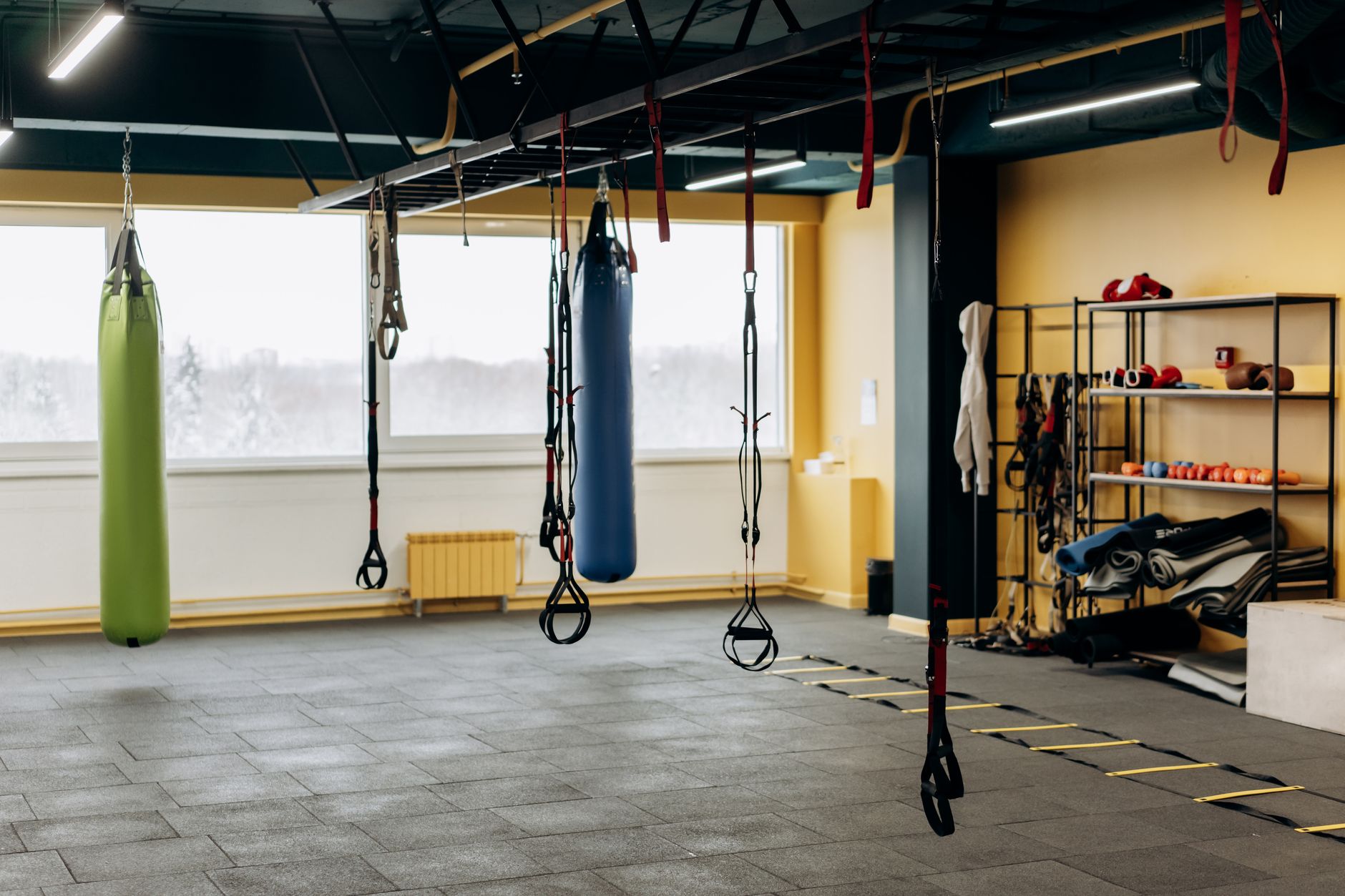
For commercial buyers in Malaysia, the right equipment decision should be based on more than the initial quotation. This guide explains how to assess commercial gym equipment total cost of ownership by separating upfront cost from operating, maintenance, downtime, and replacement costs. It also highlights the practical checks that matter most in procurement, such as service support, spare-parts availability, and lifecycle planning. If you are comparing options for a new facility or a refresh, Desire Gym can help you make a more transparent and confident buying decision.
What is commercial gym equipment total cost of ownership?
Direct answer
Commercial gym equipment total cost of ownership is the full cost of buying, operating, servicing, and eventually replacing a machine across its useful life. In simple terms, it is not just the purchase price; it also includes delivery, installation, energy use, scheduled maintenance, wear parts, repairs, refurbishment, downtime, warranty value, spare-parts availability, service records, and replacement planning.
TCO means looking at the full lifecycle cost, not only the invoice price.
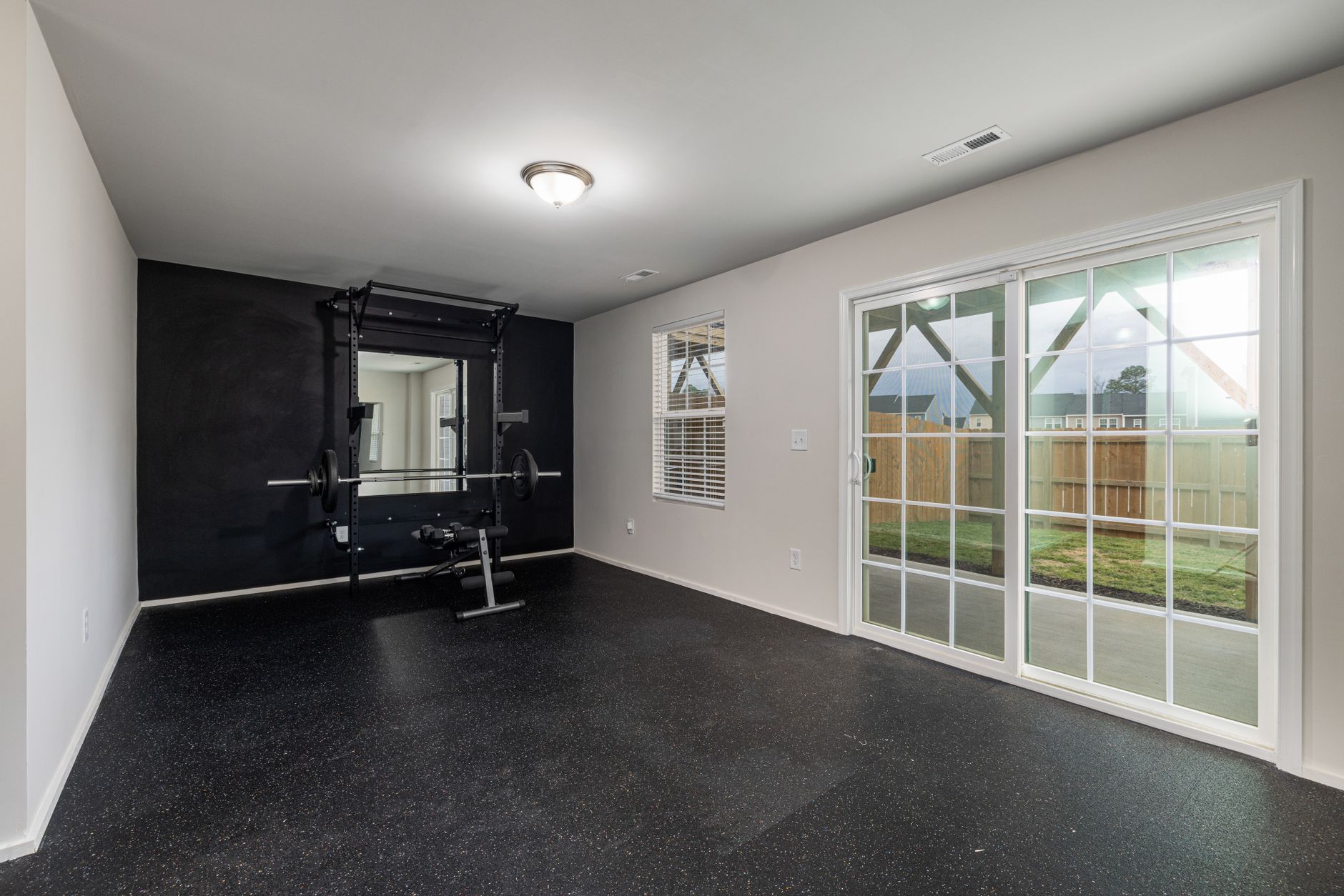
For a procurement team or gym operator, this means a treadmill, cable machine, or strength rack should be evaluated by what it will cost over time, not only what it costs on day one. That is the practical meaning of commercial gym equipment total cost of ownership. A lower sticker price can still lead to higher lifecycle cost if parts are hard to source, servicing is slow, or breakdowns interrupt member use.
A simple TCO framework can be grouped into three parts:
- One-time costs: purchase price, delivery, installation, and any initial setup work.
- Recurring costs: energy use, scheduled maintenance, wear parts, and routine servicing.
- Risk and end-of-life costs: downtime, repair, refurbishment, replacement, and the value of warranty support.
Why TCO matters for Malaysian commercial buyers
For buyers in Malaysia, TCO helps compare equipment in a way that matches real operating conditions. Import lead times, local service response, and spare-parts availability can affect how much a machine costs in practice, especially if the equipment is used heavily every day. Service records matter too, because well-documented maintenance makes it easier to plan repairs and avoid unexpected interruptions.
Cardio and strength equipment can also behave differently over time. Cardio machines usually have more electrical and moving components, so energy use and wear parts may be more visible in the budget. Strength equipment may have fewer power-related costs, but it still needs inspection, cable or upholstery replacement, and periodic refurbishment. The point is not that one category is always cheaper; it is that the lifecycle cost depends on how each machine is used and supported.
For Malaysian commercial buyers who want a clearer purchasing process, this approach supports more confident budgeting and fewer surprises later. It also helps the team compare options with a commercial mindset rather than a retail one. If you are planning a new facility or refresh, DesireGYM can help you assess the real cost picture and choose with greater confidence.
What costs should buyers count in gym equipment TCO?
The full equipment cost is more than the purchase price. Buyers should count one-time buying costs, recurring operating and service costs, and the financial impact of downtime, repairs, and eventual replacement.
One-time costs
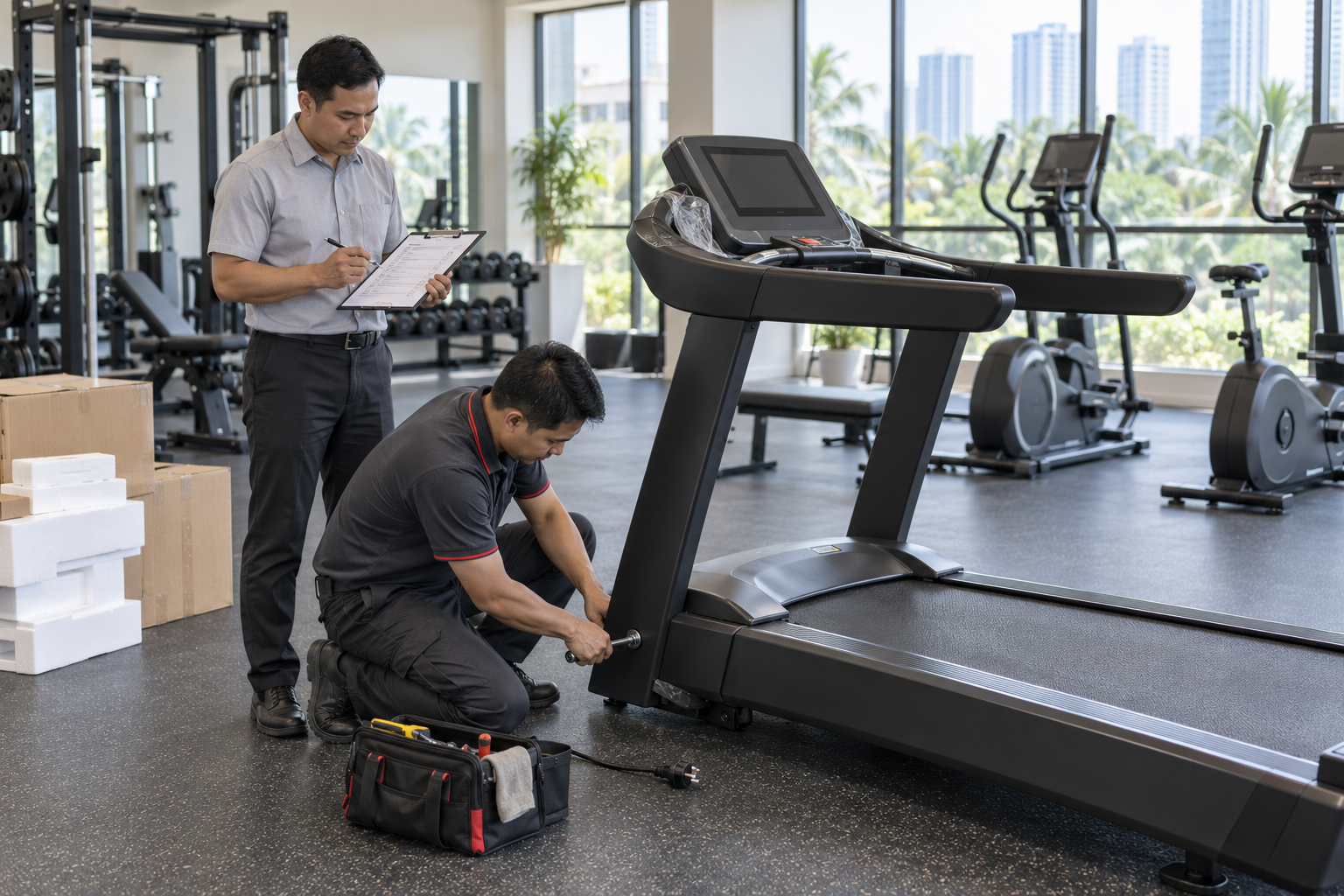
These are the upfront items paid before the machine is fully ready to use. They usually include the purchase price, delivery, installation, site preparation, and any first-day commissioning or calibration work. For Malaysia-based buyers, local handling matters because larger machines may need careful transport, stair access planning, or placement adjustments inside a club, hotel, condominium gym, or training room.
| Cost bucket | What it includes | Cost timing | Why it matters |
|---|---|---|---|
| Purchase price | Base machine price, console package, selected options | One-time | It is the starting point, but not the final ownership cost |
| Delivery | Transport, unloading, access handling | One-time | Heavy equipment can be expensive to move safely |
| Installation | Assembly, positioning, setup, testing | One-time | Poor installation can shorten useful life and create avoidable faults |
| Commissioning | Initial checks, calibration, user-ready setup | One-time | Helps confirm the machine is ready for daily use |
| Initial documentation | Manuals, handover notes, service records | One-time | Supports maintenance planning and future warranty claims |
If you are building the opening budget, it helps to separate setup spending from lifecycle spending. Commercial Gym Setup Cost Malaysia 2026 Guide
Recurring costs
These are the costs that repeat through the machine’s useful life. They include energy use, scheduled maintenance, wear parts, cleaning supplies, lubricant, and paid service visits. For cardio units, electricity and electronic components may be a larger part of the budget. For strength equipment, routine inspection, cable checks, upholstery care, and hardware tightening are often more relevant.
Scheduled maintenance is especially important because it protects performance and helps keep service records complete. A low-cost machine that misses maintenance can become expensive later if parts wear faster or technicians need to do emergency work. Buyers should also ask whether spare-parts availability is reliable in Malaysia, because a machine that sits idle while waiting for parts still adds cost even if the repair invoice looks small.
Risk and downtime costs
This bucket is often ignored, but it can affect the real lifecycle cost the most. It includes lost usage when a machine is broken, temporary closures of a training zone, rush repair fees, refurbishment work, and replacement when repair is no longer sensible. Warranty coverage can reduce some exposure, but only if the terms are clear and the needed parts or service are actually available.
For procurement teams, the practical question is simple: how much does the machine cost to own, keep available, and keep useful over time? That is the metric that matters when comparing options with the team at DesireGYM, especially when balancing service support, parts access, and long-term value in Malaysia.
How do you calculate TCO for commercial gym equipment?
The simplest answer is: calculate total cost of ownership by adding the purchase price, delivery, installation, operating costs, maintenance, repairs, downtime, and eventual replacement cost over a set period. This gives buyers a more accurate lifecycle cost than comparing the machine price alone.
Blank 3-year and 5-year worksheet

Use a blank worksheet for each equipment item and build the estimate over 3 years and 5 years so you can compare short-term and longer-term budgets. If you want a fuller procurement template, see Commercial GYM Equipment.
- List the one-time costs: purchase price, delivery, and installation.
- Add recurring annual costs: scheduled maintenance, wear parts, energy use, and any software or monitoring fees if relevant.
- Add risk costs: repair work, refurbishment, and downtime impact when the unit is unavailable.
- Estimate the replacement point: when the machine is likely to be retired, traded in, or replaced within your planning horizon.
- Sum the totals for 3 years and then repeat for 5 years so the team can see how the same asset behaves over time.
TCO formula
A practical TCO formula is:
TCO = purchase price + delivery + installation + energy use + scheduled maintenance + wear parts + repairs + downtime + refurbishment + replacement – residual value
For a gym buyer in Malaysia, this formula works best when each item is entered as a variable instead of a fixed guess. For example, a cardio unit may have higher energy use, while a strength machine may have lower operating cost but more wear part exposure depending on usage patterns. The point is not to assume one category is always cheaper; it is to compare the numbers for your actual use case.
Practical notes for buyers
- Use service records to support your assumptions. If a model has frequent call-outs, the maintenance line should not be treated as minor.
- Check spare-parts availability in Malaysia before final approval, because a delayed part can turn a small repair into a bigger loss.
- Separate warranty coverage from TCO. A warranty can reduce some repair exposure, but only for covered items and only for the covered period.
- Record downtime as a cost line, even if it is only estimated in hours or days. A machine that cannot be used still affects lifecycle cost.
- Revisit the worksheet before purchase, then again after the first year, so the estimate reflects real operating conditions.
For the team at DesireGYM, this method keeps procurement discussions grounded in measurable value rather than upfront price alone. It helps buyers make clearer decisions when balancing budget, service support, and long-term reliability in Malaysia.
What changes TCO between cardio and strength equipment?
The biggest differences come from how each type is used, serviced, and replaced. Cardio machines usually add more energy cost and electronic wear, while strength equipment often shifts more of the lifecycle cost into moving parts, upholstery, cables, and heavier mechanical servicing.
Energy use differences
Cardio units tend to draw continuous power during use, so electricity becomes a more visible line item in the lifecycle cost. That matters in Malaysia, where a club may run treadmills, bikes, and ellipticals for many hours a day. By contrast, many strength stations have little or no operational electricity demand unless they include motors, consoles, or accessory systems.
- Cardio equipment often has screens, drive systems, fans, incline motors, and sensors that add to running cost.
- Strength equipment usually has lower day-to-day energy use, but that does not automatically mean lower total cost.
- Higher user traffic on cardio floors can increase the need for cleaning, calibration, and preventive checks.
- For procurement planning, compare energy use against expected daily hours, not just the nameplate specification.
Wear parts and service frequency
Strength and cardio equipment fail in different ways, so the service budget should not be copied from one category to the other. Cardio units often need attention on belts, decks, rollers, motors, bearings, consoles, and wiring. Strength units more often involve cables, pulleys, guide rods, selector pins, pads, grips, and frame finishes.
- Cardio machines may need more frequent electronic diagnostics because more parts are actively moving and powered.
- Strength machines may face heavy contact wear from repeated loading, especially in high-volume facilities.
- A unit with stable service records can support a cleaner estimate for spare-parts availability, warranty exposure, and repair planning.
- If a model uses proprietary components, lead time for parts can increase the real lifecycle cost even when the machine looks affordable upfront.
- For a broader view of replacement timing, see Commercial GYM Equipment.
Downtime and refurbishment considerations
Downtime affects both categories, but the business impact can differ. A failed treadmill may remove a high-demand station quickly, while a failed strength machine may be easier to work around if similar stations are nearby. Refurbishment also differs: cardio often needs electronics, deck, or motor-related refreshes, while strength equipment may be restored with new pads, cables, bushings, and finish work.
- Downtime cost should reflect how often members use the machine and whether there is a substitute nearby.
- Refurbishment can extend service life, but only when the frame and main structure still justify the spend.
- Replacement timing should be based on condition, service records, and part access, not on brand image alone.
- In a practical gym equipment TCO review, the team should compare the full lifecycle cost of each category before deciding where to allocate budget.
For buyers in Malaysia, DesireGYM recommends treating cardio and strength as different cost profiles, not as fixed winners and losers. Add to cart or WhatsApp to know more if you want help comparing equipment options for your floor plan.
What does gym equipment TCO actually include?
It includes every cost from purchase to retirement: purchase price, delivery, installation, energy use, scheduled maintenance, wear parts, repairs, downtime, refurbishment, replacement, warranty support, spare-parts availability, and the time spent keeping service records. In simple terms, it is the full lifecycle cost, not just the invoice amount.
How should buyers build a TCO formula?
A practical framework is: upfront cost + operating cost + maintenance cost + risk cost + end-of-life cost. Upfront cost covers purchase price, delivery, and installation; operating cost may include electricity; maintenance cost covers scheduled servicing and wear parts; risk cost reflects downtime and repair delays; end-of-life cost includes refurbishment or replacement. This makes it easier to compare options without guessing.
Why do service records matter in procurement?
Service records show how often a machine has been repaired, what parts failed, and whether the equipment has been maintained on schedule. That history helps a gym judge future risk more accurately and supports replacement decisions. If a unit has repeated faults or slow parts access, its lifecycle cost can rise even if the sticker price looked attractive at first.
Does cardio always cost more to own than strength equipment?
Not always. Cardio machines often have more electronics and moving systems, so their maintenance profile can be different, but strength equipment can still become costly if cables, upholstery, guide parts, or finishes wear out quickly. The better question is which category fits your usage, service access, and spare-parts support. Commercial GYM Equipment is useful when you want to connect service life with replacement timing.
What should Malaysia buyers ask before ordering?
Ask about installation scope, local service support, spare-part lead times, and the warranty terms that actually apply to your purchase. Also confirm whether the team can support inspection, repair, or refurbishment after the sale. These details matter because a lower entry price can still create higher lifecycle cost if downtime is hard to manage.
For practical procurement support in Malaysia, DesireGYM can help you compare options, check service needs, and choose equipment with a clearer ownership outlook. Add to cart or WhatsApp to know more.
References
- NIST — *Life Cycle Costing Manual for the Federal Energy Management Program* — NIST — *Life Cycle Costing Manual for the Federal Energy Management Program*
- U.S. Government Accountability Office — *Water Infrastructure: Comprehensive Asset Management Has Potential to Help Utilities Better Identify Needs and Plan Future Investments* — U.S. Government Accountability Office — *Water Infrastructure: Comprehensive Asset Management Has Potential to Help Utilities Better Identify Needs and Plan Future Investments*
- National Institute of Standards and Technology — *Life Cycle Costing Manual for the Federal Energy Management Programs* — National Institute of Standards and Technology — *Life Cycle Costing Manual for the Federal Energy Management Programs*
- Technogym Corporate — *Responsible innovation and design* — Technogym Corporate — *Responsible innovation and design*
- National Institute of Standards and Technology — *Potential Cost Savings as US Manufacturers Spend Billions on Machinery Maintenance* — National Institute of Standards and Technology — *Potential Cost Savings as US Manufacturers Spend Billions on Machinery Maintenance*