24-Hour Gym Equipment Planning Guide Malaysia: Durability, Layout & Maintenance
24 hour gym equipment Malaysia should be chosen for high usage, durability, and easy operation, with a mix of commercial gym equipment, cardio equipment, selectorized strength, free weights, and funct
Quick answer
24 hour gym equipment Malaysia should be chosen for high usage, durability, and easy operation, with a mix of commercial gym equipment, cardio equipment, selectorized strength, free weights, and functional training tools that suit a clear gym layout. Operators should also plan signage, inspection routines, preventive maintenance, fault reporting, downtime control, and after-sales support from DesireGYM.
Key Takeaways
- 24-hour gyms need commercial gym equipment designed for high usage and long operating hours.
- A good mix of cardio equipment, selectorized strength, free weights, and functional training improves training variety and flow.
- Clear gym layout and signage help members use equipment correctly and reduce avoidable issues.
- Inspection, preventive maintenance, fault reporting, downtime planning, and after-sales support are essential for smooth operations.
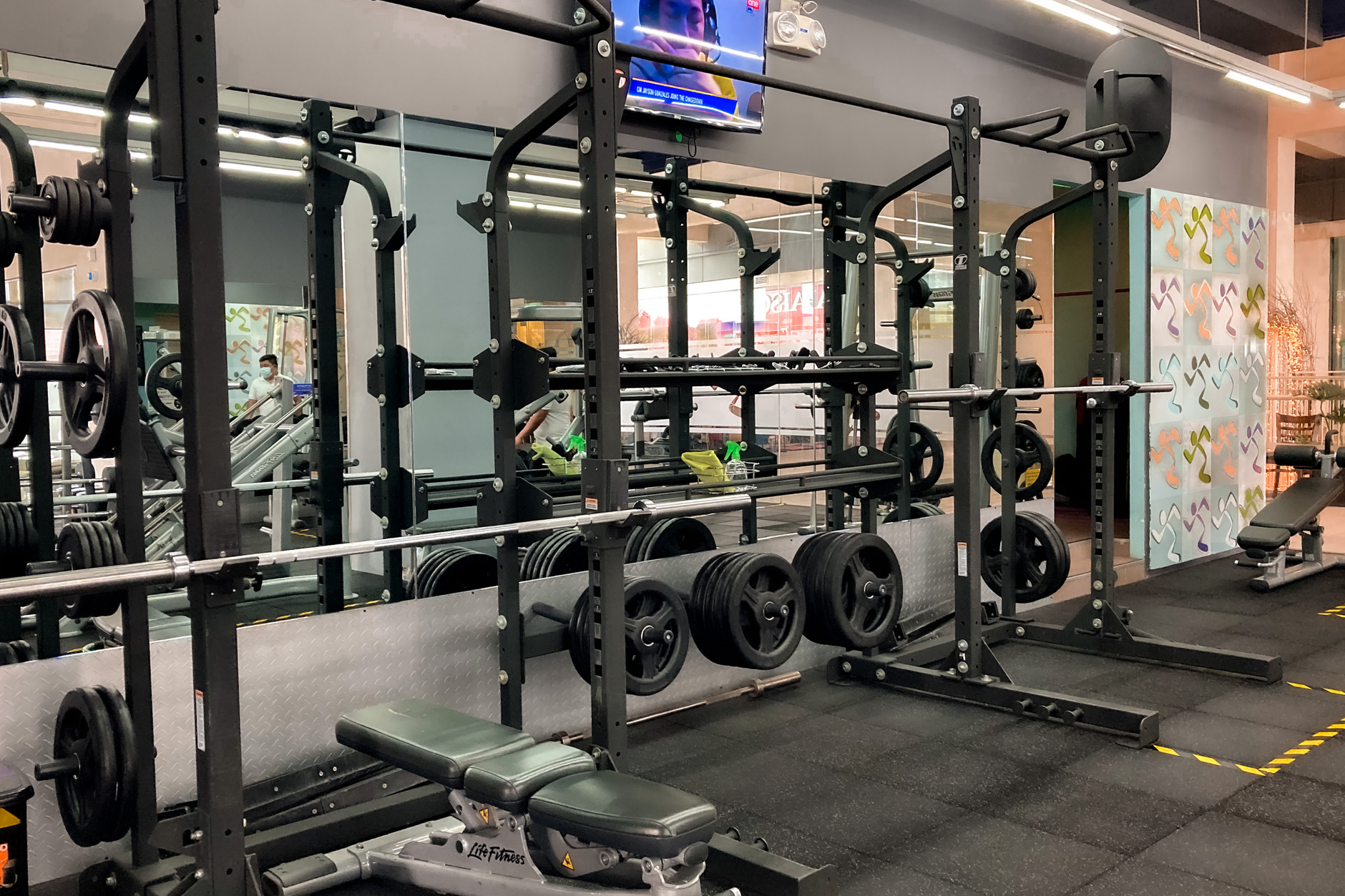
Planning a 24-hour gym in Malaysia requires more than choosing popular machines. Operators need equipment that can handle high usage, remain user-friendly for all members, and fit a layout that supports safe movement and efficient floor use. This guide explains how extended opening hours affect procurement choices, signage, inspection, preventive maintenance, fault reporting, downtime control, and after-sales support, with practical considerations from DesireGYM.
Why does a 24-hour gym need different equipment planning?
A 24-hour gym needs a different plan because the equipment must stay practical, intuitive, and durable through long operating hours with less direct supervision. For a 24 hour gym equipment Malaysia project, the main challenge is not just buying machines, but choosing commercial gym equipment that can handle high usage while still remaining easy to understand for different users.
Higher usage across the full day
In a standard facility, demand is spread more predictably. In a 24-hour gym, use can build up at different times of day, which means equipment must tolerate repeated loading, adjustment, and cleaning without feeling overcomplicated for members. That is why durability matters so much: frames, upholstery, cables, pulleys, bearings, and touchpoints should all be selected with frequent use in mind, not occasional use.
The mix of equipment also needs more careful balance. If the floor leans too heavily toward one category, the space can feel crowded at peak hours and underused at quieter times. A better plan is to distribute cardio equipment, selectorized strength, free weights, and functional training zones so members can train efficiently without bottlenecks. This is especially important for a 24-hour gym setup Malaysia operators can manage smoothly over the long term, where the floor must support both steady traffic and independent training styles.
Designing for independent use
When members train at different hours, the equipment should be easy to understand without staff needing to explain every adjustment. That means user-friendly equipment with clear start positions, simple seat settings, obvious weight selection, and readable instructions placed near each machine. The goal is to reduce confusion and help members begin training quickly.
Layout decisions matter just as much. Good visibility across the floor, uncluttered walkways, and sensible spacing make it easier for members to navigate the gym, identify stations, and return equipment properly after use. Clear signage can support this by guiding users to zones, reminding them of proper setup steps, and helping the team communicate inspection points and fault reporting procedures.
Long operating hours also require a more disciplined maintenance approach. Cleaning, inspection, and preventive maintenance should be planned around traffic patterns so the gym can manage downtime more effectively and respond quickly when equipment shows wear. This is where after-sales support from DesireGYM becomes valuable, because the fitness centre can plan replacements, servicing, and troubleshooting with a clearer long-term view.
What equipment mix works best for a 24-hour gym in Malaysia?
The best mix is one that covers busy peak periods without feeling overcrowded at quiet hours: cardio for fast turnover, selectorized strength for broad member appeal, free weights for serious training, and a compact functional zone for flexible use. For a 24-hour gym setup Malaysia, the goal is not to buy the most machines, but to choose commercial gym equipment that can handle high usage, stay intuitive, and remain practical to maintain over long opening hours.
| Equipment category | Best fit for 24-hour operation | User-friendliness | Durability and upkeep | Space and flow |
|---|---|---|---|---|
| Cardio equipment | Warm-ups, steady-state training, and quick solo sessions | Very high; easy for new users to start | Choose units with strong frames and parts support | Medium to high footprint, but predictable traffic flow |
| Selectorized strength | General strength training with simple weight selection | Very high; clear adjustments and guided movement | Good for high usage because movement is controlled | Efficient use of space, especially in rows |
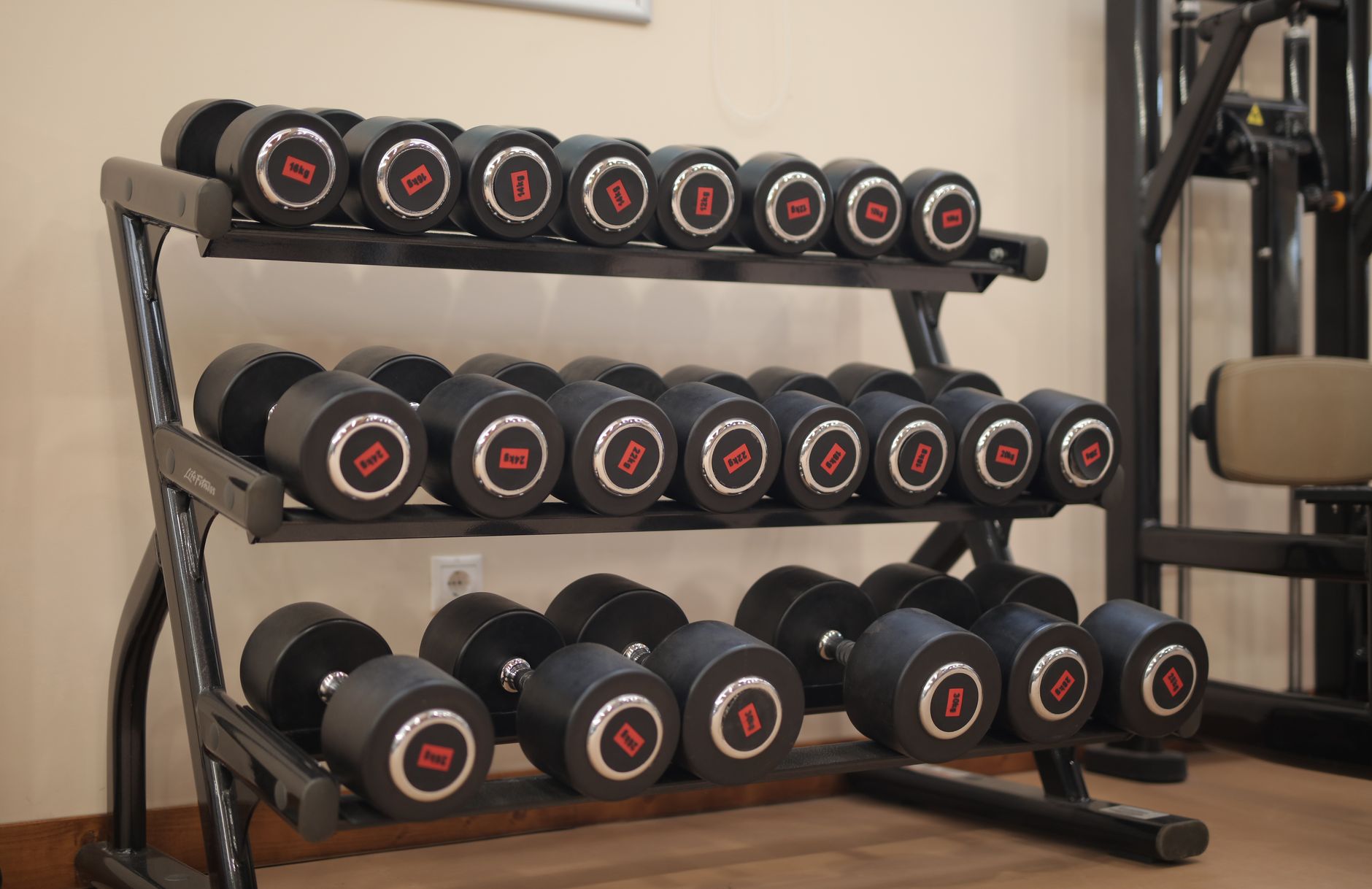
| Free weights | Advanced lifting and progressive overload | Medium; requires more user knowledge | Durable, but needs regular inspection of wear items | Flexible, but can create congestion if poorly planned |
| Functional training | Warm-up, mobility, conditioning, and small-group use | High when clearly zoned and labelled | Low mechanical complexity | Efficient if kept compact and uncluttered |
Cardio equipment
Cardio equipment should be selected for steady daily turnover rather than novelty. In a 24-hour environment, treadmills, bikes, ellipticals, and rowers are often the first stations members use, so they should be easy to start, easy to reset, and built for repeated daily cycles. A practical mix is usually more useful than overbuying one category. For example, a gym may choose more treadmills and bikes than specialty machines because they serve broader demand across different user types.
Selectorized strength and free weights
Selectorized strength is often the most efficient core of a round-the-clock floor because it gives clear resistance selection and reduces setup time. This makes it a strong fit for high usage and mixed experience levels. Free weights still matter, but they should be planned around spacing, storage, and traffic so the area does not become cluttered during busy periods. For readers comparing commercial-grade options, see Commercial GYM Equipment. DesireGYM typically recommends using selectorized strength as the stable base, then adding free weights in a controlled zone that matches the gym’s member profile.
Functional training area
A functional zone works best when it stays simple and flexible. Sled pushes, kettlebells, medicine balls, benches, and cable-based accessories can support multiple training styles without taking up too much floor area. The key is to keep the zone open, visible, and easy to re-rack so it does not interfere with circulation. In many Malaysian gyms, this area performs well as a shared space for warm-up, conditioning, and short training sessions rather than as a heavily packed feature zone.
How should you plan gym layout and signage for round-the-clock use?
A 24-hour gym layout should make movement obvious, reduce bottlenecks, and help members find equipment without asking staff. For a 24-hour gym setup Malaysia, the best approach is to organise zones so users can enter, train, and exit with minimal crossing paths.
Clear user flow
- Place the most frequently used stations near the main circulation path, but not directly in the doorway or reception edge, so traffic does not pile up.
- Keep cardio equipment in a visible row with enough front and side clearance for natural walking space and easy seat adjustment checks.
- Group selectorized strength machines together in logical order, then position free weights and functional training in clearly separated zones to avoid overlap during peak periods.
- Use storage points for plates, dumbbells, mats, and accessories close to where they are used, so members spend less time carrying items across the floor.
- For a fuller planning framework, see .
Visibility and spacing
Layout should support quick scanning from multiple angles, especially for high usage periods in a commercial gym environment. Rows of equipment should not create blind corners or dead-end aisles, because members need to move confidently even when the gym is busy. This is where commercial gym equipment selection matters: units with compact footprints and user-friendly access controls are easier to place in a clean, efficient layout.
A practical rule is to leave enough room for one member to use equipment while another passes without squeezing through. Wide walkways, open turning points, and clear rack spacing help the floor feel organised rather than crowded. In long operating hours, clutter grows quickly if the layout does not guide behaviour from the start.
Instructional signage
Signage should be simple, visible, and placed where decisions happen. Put usage steps beside selectorized strength machines, floor markers near free weights, and short reminders in the functional zone for re-racking and equipment return. Avoid long text; members should be able to understand the instruction in a few seconds.
- Start with zone labels at entrances and corridor turns.
- Add equipment-specific instructions at the point of use, especially for user-friendly equipment with adjustable settings.
- Place cleaning and inspection reminders near shared stations so members know where to report a fault if something feels loose or abnormal.
- Link signage to a maintenance response process, so fault reporting is quick and downtime is reduced.
For DesireGYM customers, this kind of layout planning works best when signage, flow, and equipment choice are considered together rather than as separate tasks. It makes the floor easier to manage and supports smoother after-sales support over time.
What maintenance and fault-reporting process should a 24-hour gym use?
A 24-hour operation needs a simple, repeatable process for inspection, preventive maintenance, and fault reporting. The goal is to catch problems early, remove unsafe or unreliable equipment from use quickly, and keep downtime visible and controlled.
What should daily inspection and preventive maintenance include?
Daily checks should focus on high-touch and high-wear points, especially in a 24-hour gym equipment Malaysia plan where usage spreads across the whole day. The team should inspect cable condition, pin alignment, seat locks, pulleys, console response, pedals, benches, dumbbell racks, and flooring around busy zones. For a practical routine, use a short checklist before peak hours and another after closing or during a quiet window. A longer weekly review can cover bolt tightening, lubrication points, belt alignment, and cleaning of dust-prone areas. A structured sheet like Gym Equipment Maintenance Checklist Malaysia helps the gym standardise these checks across cardio equipment, selectorized strength, free weights, and functional training zones.
How should fault reporting work when equipment develops a problem?
Fault reporting should be fast, visible, and easy for members and staff. Place a clear label or sign on the machine so users know how to report a problem, then remove the unit from service as soon as a fault is confirmed. The process should record the equipment name, location, issue type, time reported, and whether the machine was isolated. This matters in a 24-hour gym setup Malaysia because faults can spread from one shift to the next if no one formally tags the issue. User-friendly equipment should still be checked, because simple machines can develop loose parts, worn cables, or unstable settings after high usage.
How can after-sales support and downtime control be managed better?
After-sales support should be part of the purchase plan, not an afterthought. The gym should know who to contact, what spare parts are typically available, and how warranty or service requests are handled. Good commercial gym equipment planning also includes a backup approach for busy stations, so one failed machine does not disrupt the whole floor. Track downtime by equipment type and note repeated faults, because that helps the team decide when repair is enough and when replacement is more practical. DesireGYM buyers can use this approach to keep maintenance predictable, protect member experience, and reduce avoidable interruptions during long operating hours.
24-hour gym equipment planning checklist for Malaysia
The best checklist starts with usage, layout, and support readiness. For a 24-hour gym equipment Malaysia plan, buy for high usage first, then confirm that the floor can stay easy to navigate, simple to maintain, and fast to service when issues appear.
- Confirm expected traffic by time band, then size the mix of cardio equipment, selectorized strength, free weights, and functional training zones to match peak and off-peak demand.
- Choose commercial gym equipment with durable frames, reinforced upholstery, sealed bearings, and simple adjustment points that can handle repeated daily use.
- Prioritise user-friendly equipment with clear seat settings, numbered selectors, visible pin positions, and printed instructions near each station.
- Check that the gym layout leaves wide walking paths, clear sightlines, and enough spacing between machines for safe movement and easier cleaning.
- Place equipment so users can move from warm-up to training to recovery without crossing crowded zones or blocking exits.
- Plan signage for machine names, basic setup steps, loading limits, and floor rules in plain language so first-time users can work independently.
- Build an inspection routine for opening, mid-day, and closing checks, with logs for loose parts, worn grips, cable wear, and abnormal noise.
- Schedule preventive maintenance around long operating hours, using planned service windows to reduce avoidable downtime and keep repairs organised.
- Set a fault reporting process that records the machine, exact location, issue description, time reported, and whether the unit has been taken out of use.
- Confirm after-sales support before purchase, including spare-part access, service response channels, and how warranty claims are handled.
A practical 24-hour gym setup Malaysia should also balance budget and replacement planning. It is better to buy fewer stations that can withstand high usage than to fill the floor with weak equipment that needs frequent attention. The same logic applies to recovery planning: if one popular station is temporarily down, the remaining floor should still work smoothly without creating bottlenecks.
DesireGYM can help buyers compare options, match equipment to operating needs, and choose reliable pieces with support that fits real Malaysian gym operations. Add to cart or WhatsApp to know more.
Frequently Asked Questions
How does 24-hour operation change gym equipment planning in Malaysia?
What equipment mix works best for a 24-hour gym?
How should a 24-hour gym layout improve safety and flow?
What maintenance routine should a 24-hour gym follow?
How should faulty gym equipment be handled in a 24-hour facility?
References
- Department of Occupational Safety and Health (DOSH) Malaysia — Department of Occupational Safety and Health (DOSH) Malaysia
- DOSH Malaysia: Basic Guide to Occupational Safety and Health Management in the Workplace — DOSH Malaysia: Basic Guide to Occupational Safety and Health Management in the Workplace
- Matrix Fitness: Preventive Equipment Maintenance — Matrix Fitness: Preventive Equipment Maintenance
- Matrix Fitness: Commercial Gym Solutions with End-to-End Support — Matrix Fitness: Commercial Gym Solutions with End-to-End Support
- Technogym Corporate — Technogym Corporate