Smith Machine Buying Guide Malaysia: What to Check Before Buying
Quick answer
A smith machine buying guide malaysia should help you compare space, ceiling height, guided bar path, safety stops, load rating, plate compatibility, attachments, delivery access, installation, maintenance, and after-sales support before you buy. In Malaysia, the right choice depends on whether the machine is for home use, a condo or office gym, or a commercial setup.
Key Takeaways
- Check floor space, ceiling clearance, and delivery access before shortlisting any Smith machine.
- Match the guided bar design, safety stops, and load requirements to your training and user volume.
- Confirm plate compatibility, attachment options, installation needs, and maintenance access.
- Choose a supplier that offers clear product guidance and responsive after-sales support, such as Desire Gym.
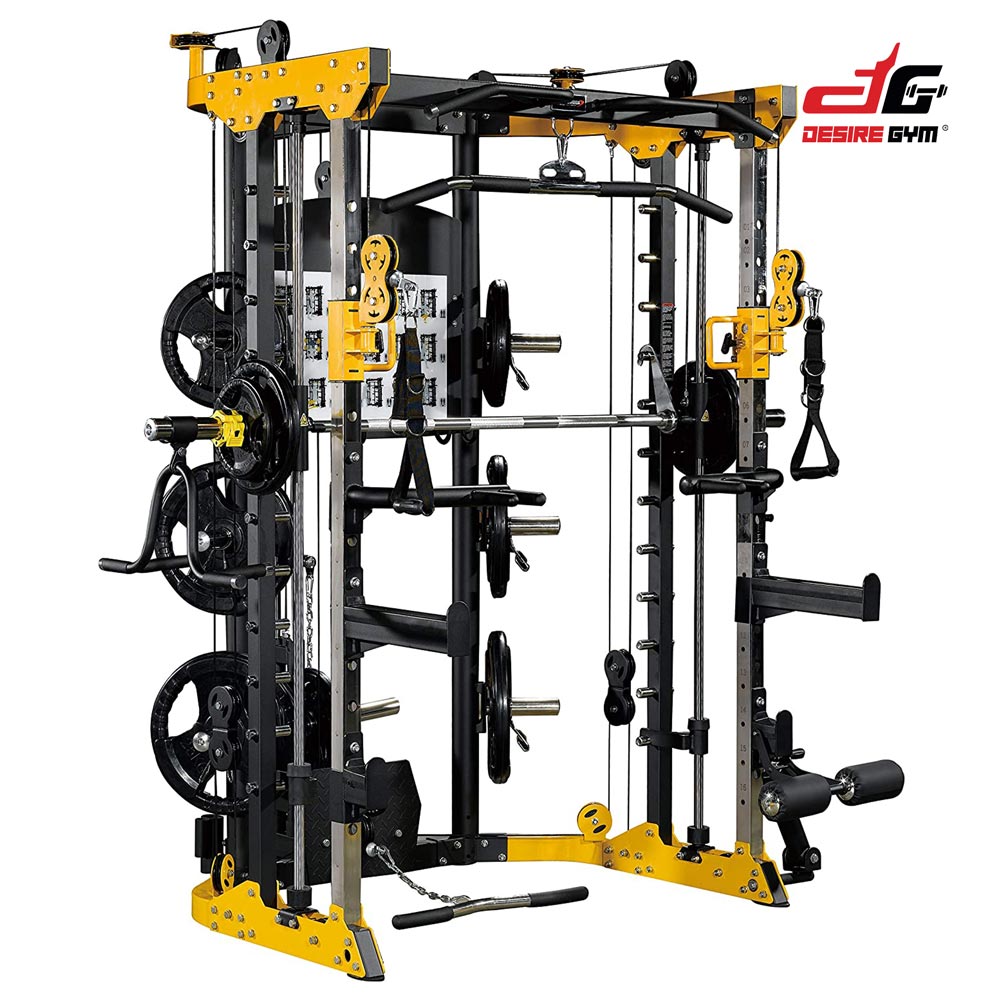
Choosing a Smith machine is easier when you focus on practical fit, not just the frame size or the product photo. This guide explains what Malaysian buyers should check before purchase, including home versus commercial use, layout planning, plate compatibility, and the support needed after delivery. It also helps you compare options more confidently so you can choose a machine that suits your space, budget, and long-term training needs with support from Desire Gym.
What Is a Smith Machine, and How Is It Different From Free-Bar Training?
A Smith machine is a strength-training station with a barbell fixed to vertical or near-vertical rails, so the bar moves along a guided path instead of freely in all directions. In a smith machine buying guide malaysia, the key difference is control: the machine reduces the need to stabilise the bar path, while free-bar training requires the lifter to control balance and trajectory independently.
How the guided bar works
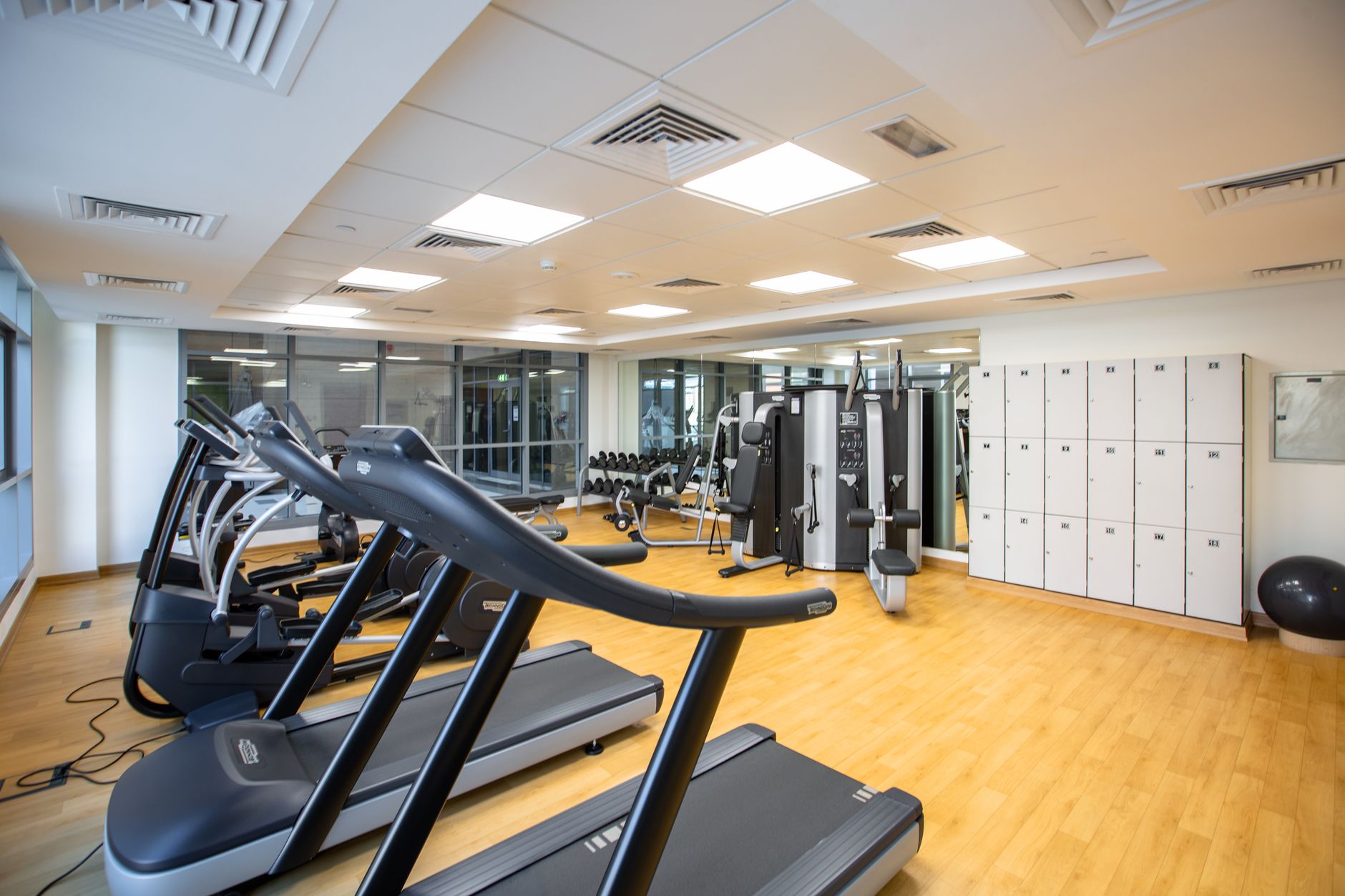
The bar slides on bearings or bushings within the frame, and most units include rotating safety hooks plus adjustable catches or stops. That means a user can start, lower, and re-rack the bar at set points without needing a spotter in the same way a free bar often does. The fixed track can be useful for exercises such as squats, bench press variations, lunges, rows, and overhead pressing, especially when training alone or when multiple users need a more predictable movement pattern.
The guided bar path also changes the feel of the lift. Because the machine helps control the trajectory, the user can focus more on posture, tempo, and muscle tension. With a free bar, the body must constantly stabilise the load in multiple directions, which can better develop coordination and balance demands. Neither option replaces the other; they simply support different training goals. For many buyers, the decision comes down to whether they want a more guided setup for repeatable strength work or a more open training style that demands greater stabilisation.
Why buyers consider it for home and commercial use
For home gyms, the appeal is convenience and structure. A guided system can suit beginners, returning lifters, and households that want one machine for several exercise types without needing a full free-weight zone. It is also practical in compact setups where users want a more controlled experience from a single frame.
For commercial gyms, the machine’s value is often about consistency and easy access. A predictable bar path can help new members understand movement patterns faster, while the setup can support repeat use throughout the day. In a busy facility, that reliability matters because different users may have different experience levels and training preferences.
Malaysian buyers should also consider what category of machine they are comparing. A standard Smith machine is usually focused on the guided bar alone. A multifunctional version adds more exercise stations or attachments. An all-in-one Smith and functional trainer combines the guided bar with cable work, making it more suitable for users who want a broader training menu in one footprint.
For a practical purchase decision, the main question is not whether the machine is “better” than free weights, but whether it matches the way the space will actually be used. Desire Gym can help buyers compare these options with clearer product guidance and after-sales support.
Which Type of Smith Machine Fits Your Space and Training Goals?
The right choice depends on how much room you have, what exercises you want to cover, and who will use the machine most often. For a home setup, a simpler unit may be enough; for a studio or commercial floor, a more versatile model can improve training variety and member flow.
Standard Smith machine
A standard unit is best when the priority is a guided bar path, a compact footprint, and straightforward use. It suits buyers who want a controlled pressing and squat setup without adding too many extra stations. This is often a practical fit for a home gym, smaller PT room, or a training corner with limited ceiling height and floor space.
It is also easier to plan around because the frame is usually simpler, which can make delivery access and installation less demanding. Still, check the bar travel height, total frame height, and whether the ceiling leaves enough room for overhead movement and safe loading.
Multifunctional Smith machine
A multifunctional model is suitable when one machine needs to support more exercises within the same area. It may add a pull-up bar, cable pulleys, landmine-style work, or extra attachment points, which gives a wider training menu without building a full separate zone.
This type is often a better match for semi-commercial spaces, personal training studios, and larger home gyms where different users train in the same session. Buyers should compare the load requirements, plate compatibility, and attachment package carefully, because the added functions only help if they match the way the equipment will actually be used. If you are checking delivery readiness, Gym Equipment Installation Malaysia Checklist can help you plan access before the machine arrives.
All-in-one Smith/functional trainer
An all-in-one model is the most space-efficient choice for buyers who want guided bar work plus cable training in one frame. It is useful for users who want more exercise variety without adding multiple machines, and it can be especially practical in Kuala Lumpur homes or compact commercial spaces where every square metre matters.
The trade-off is setup complexity. These systems often need more careful assembly, more floor clearance, and a clearer plan for maintenance considerations such as cable inspection, pulley checks, and attachment organisation.
| Machine type | Footprint need | Exercise variety | Setup complexity | Best-fit buyer profile |
|---|---|---|---|---|
| Standard Smith machine | Small to moderate | Core guided bar exercises | Lower | Home users, small studios, simple training setups |
| Multifunctional Smith machine | Moderate to large | Guided bar plus added stations | Medium | Buyers wanting more variety in one frame |
| All-in-one Smith/functional trainer | Moderate to large, but highly space-efficient for output | Broadest range of bar and cable work | Highest | Multi-user home gyms and commercial facilities needing versatility |
In general, choose standard if your priority is simplicity, multifunctional if you want balance, and all-in-one if you need the widest training range in a single purchase. For Malaysian buyers, the best option is the one that fits the room, the user count, and the long-term service support you expect from the provider.
What Specifications Should Malaysian Buyers Check Before Buying?
The right check list is simple: measure your room first, then confirm the machine’s load, safety, and compatibility details. For Malaysian buyers, the most common mistakes are underestimating ceiling clearance, overlooking delivery access, and choosing attachments that do not suit the planned training use.
Space, ceiling height, and usable clearance
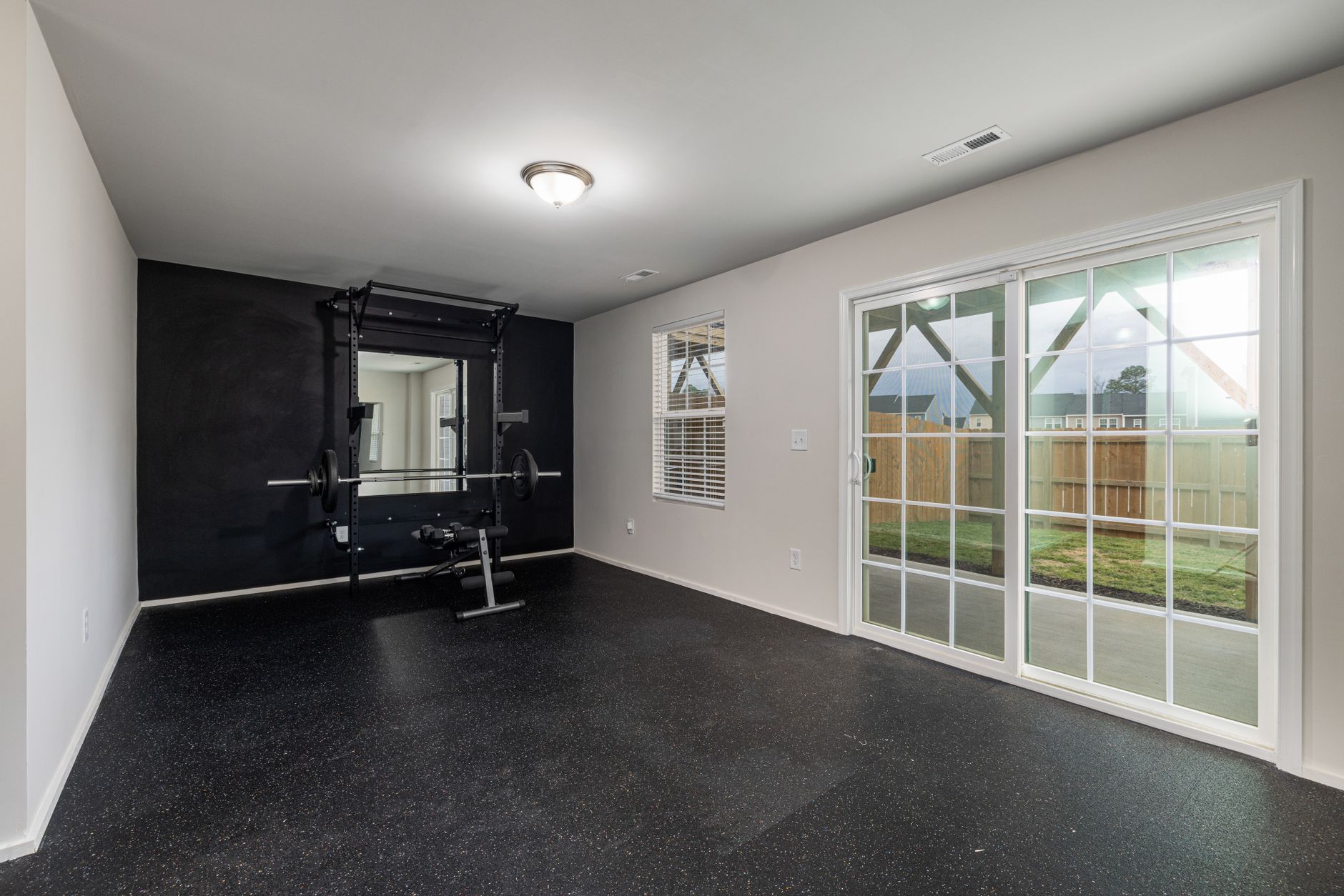
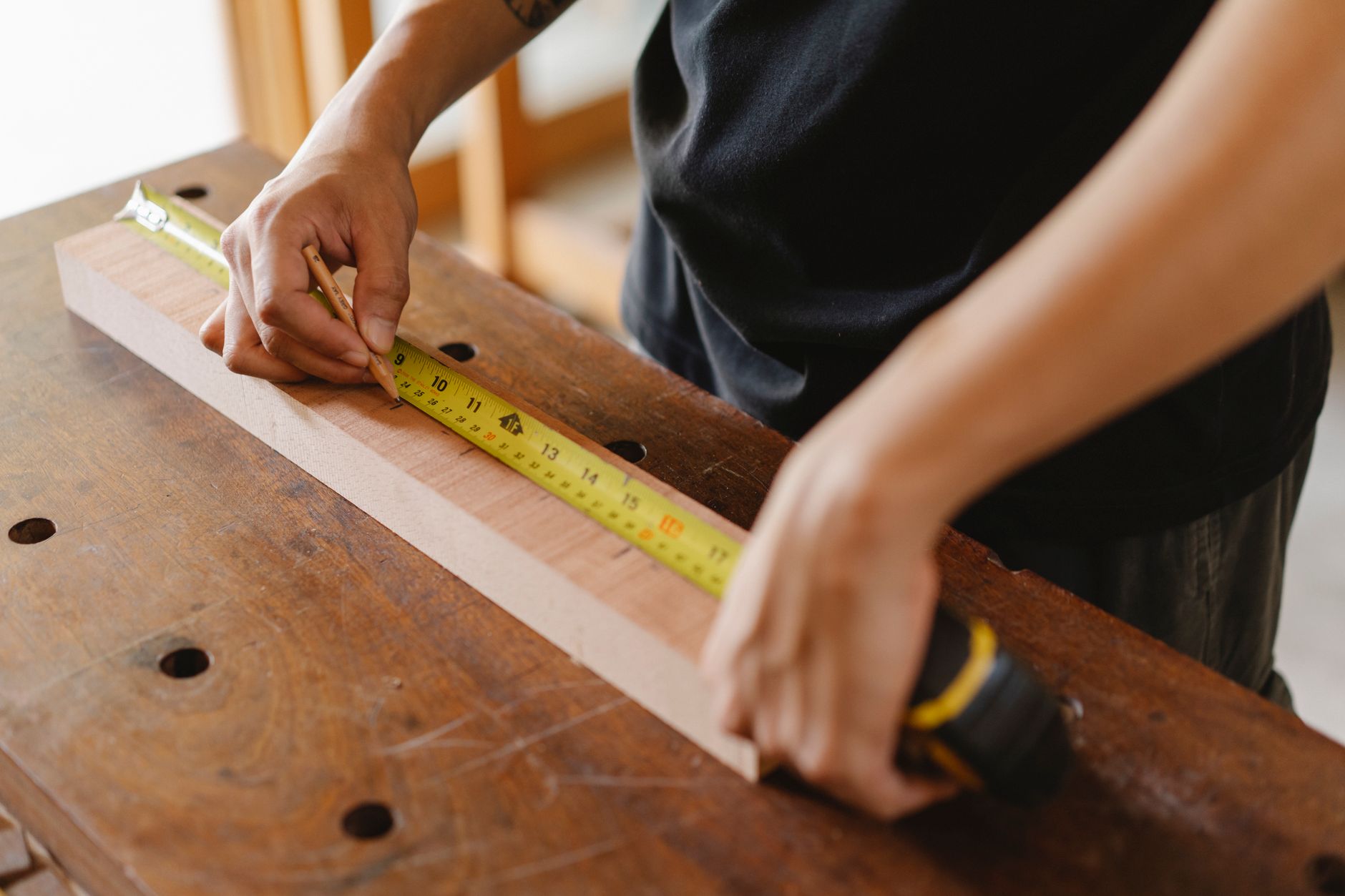
Start by measuring the full room, not just the wall where the unit will sit. A guided-frame machine needs room for the frame, the bar travel path, plate loading, and safe entry and exit from both sides.
- Measure the floor area in metres, then compare it with the product footprint and recommended working clearance.
- Check ceiling height carefully, especially if the room has lights, fans, bulkheads, or low beams.
- Confirm delivery access from the lift, staircase, corridor, and doorway, because a machine that fits the room may still be difficult to bring in.
- Leave extra space for benches, plate storage, and movement during setup and training.
For home gyms, the key issue is compact but usable spacing. For commercial gyms in Kuala Lumpur, the bigger concern is whether the layout supports multiple users without crowding the frame or blocking walkways.
Load rating, safety stops, and plate compatibility
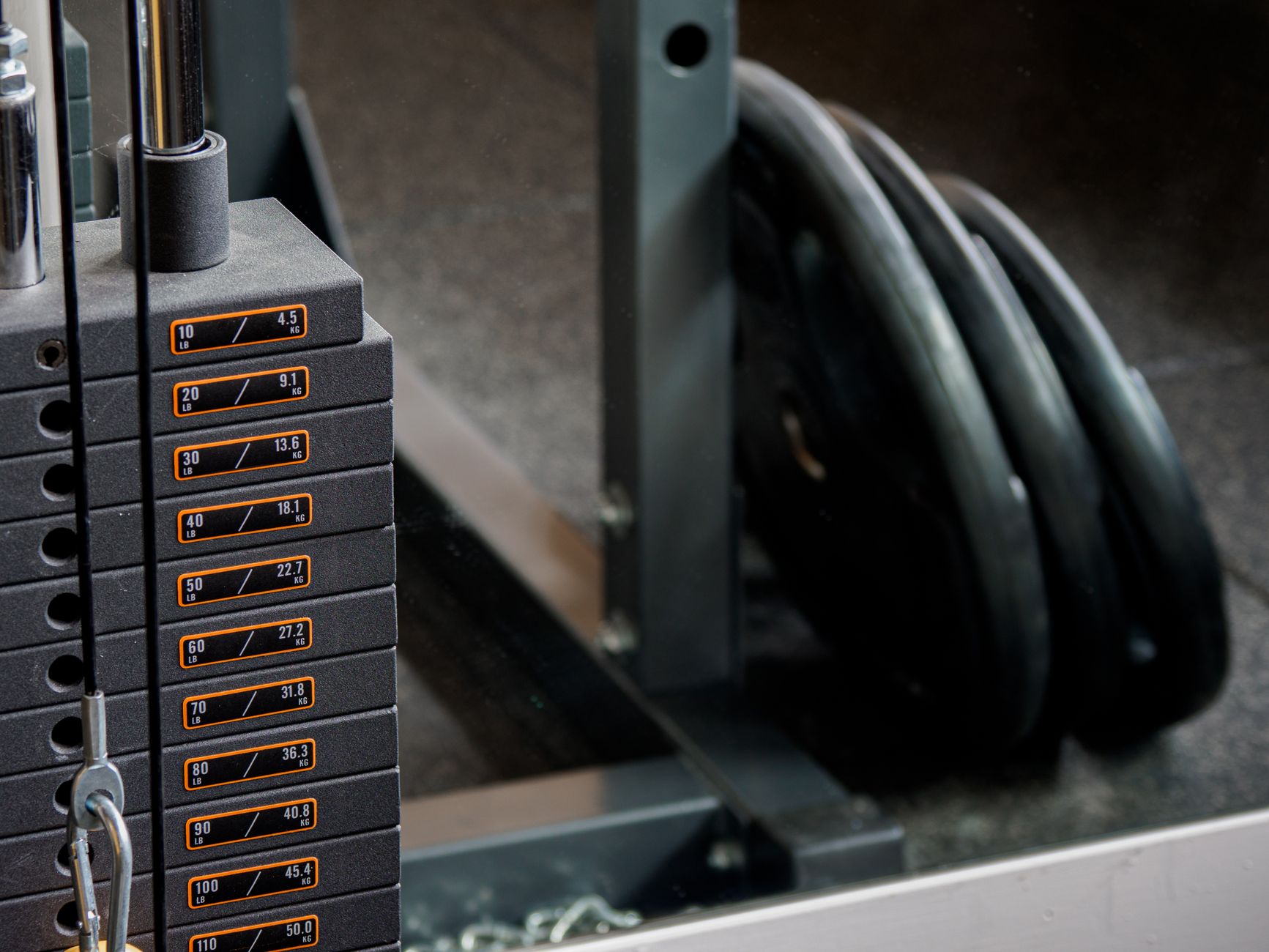
The next step is to verify the load requirements. Ask for the machine’s maximum bar capacity, recommended user load, and frame stability details. A solid unit should clearly state how much weight the guided bar can support and how the counterbalance or bearing system affects the feel of the lift.
Safety stops are also important. Check whether the machine includes adjustable catches, lock points, or built-in stop positions that help control the bar’s range of motion. These features support more predictable training, especially in a home setup where a second spotter may not always be available.
Plate compatibility matters as well. Confirm whether the bar uses standard Olympic plates, and whether the sleeve length is enough for the amount of weight you plan to add. This is especially relevant for progressive strength training and for commercial use, where multiple users may train with different plate sizes.
Attachments, storage, and machine weight
Review all included attachments before buying. Some models add lat pulldown bars, handles, landmine options, dip stations, or cable accessories, while others stay basic. More attachments can increase versatility, but only if they match your actual workout plan.
Also check storage details: plate pegs, accessory hooks, and bar holders can keep the area organised and reduce clutter. For a retail purchase such as Desire Gym, this also helps buyers choose a model that fits the room and the training style before they add to cart or WhatsApp to know more.
Finally, look at the machine weight and installation considerations. Heavier frames may offer a more grounded feel, but they can be harder to move, position, and assemble. Ask whether the setup needs two people, how many boxes are delivered, and what maintenance considerations apply over time, such as bolt checks, lubrication points, and cable inspection on multi-function units.
How Do You Plan for Delivery, Installation, and After-Sales Support in Malaysia?
Plan the delivery route, installation method, and support process before you place the order. For Malaysian homes and commercial sites, the most common delays come from tight access, lift limits, and unclear assembly responsibility rather than the machine itself.
Access checks before ordering
Before you buy, confirm how the equipment will enter the building and reach the final room. This matters for condominiums, office units, shoplots, landed homes, and gym spaces in Kuala Lumpur where access routes can be narrow or shared.
- Measure doorway width at the entrance, room entry, and any internal doors.
- Check staircase turns, corridor width, and ceiling clearance on upper floors.
- Ask whether the lift can fit the packed cartons or assembled frame dimensions.
- Confirm if loading bays, security desk procedures, or delivery time windows apply.
- Check whether the site has enough space for the delivery team to unpack and move parts safely.
- Ask who is responsible for carrying items upstairs, especially for walk-up units.
- For commercial buildings, confirm parking access and floor protection rules before delivery.
If you are comparing models for a home gym or a club setting, use Gym Equipment Installation Malaysia Checklist to verify the site details before payment. This is especially useful when the buyer is in Klang Valley and needs a smooth handover on arrival.
Installation readiness and handover
Installation should be agreed in writing before the machine arrives. Clarify whether the provider supplies assembly only, assembly plus placement, or a full handover that includes basic function checks and user guidance. For a purchase through Desire Gym, this avoids confusion later and helps the buyer know what to expect.
Check whether the floor is level and strong enough for the final load, especially for heavier multi-station units in commercial gyms. Also confirm whether the machine needs anchoring, which tools are required, and whether any wall or ceiling clearance affects cable movement or attachment use.
A proper handover should include a check of the guided bar path, safety stops, cable tension if applicable, and all locking points. Ask the team to test the unit with no plates first, then with light loading, so any issue is caught early.
Maintenance and support
After delivery, the next question is who supports the unit if a bolt loosens, a cable wears, or an attachment needs replacement. Ask how to reach the support team, what response channel is available, and whether spare parts can be supplied locally.
Keep the machine in good condition with regular bolt checks, cleaning, and inspection of moving parts. For home users, a simple monthly routine is often enough; for commercial gyms, schedule checks more frequently because usage is heavier and more varied. Also confirm who will advise on warranty claim steps, part replacement, and servicing intervals so your team can act quickly when needed.
In Malaysia, good after-sales support is not just a bonus. It is part of protecting your investment, keeping downtime low, and helping the machine stay ready for members or family use.
Smith Machine vs Power Rack: When Does Each Make More Sense?
A Smith machine is a better fit when you want guided lifting, simpler supervision, and a more controlled training setup. A power rack makes more sense when you want maximum freedom for bar path, more exercise variety with free weights, and a setup that can grow with more advanced programming.
Training style and supervision
What does the guided bar path change in practice?
It reduces the need to balance the bar independently, which can make certain movements easier to learn and easier to supervise for beginners, busy gyms, or shared training spaces. This is especially useful when one coach or staff member needs to oversee multiple users at once.
When does a power rack have the advantage?
If your training focuses on free-bar squats, presses, deadlifts, and technique development, a rack gives the user more natural movement freedom and more room to train in a traditional strength style. That is often preferred by lifters who already know how to control the bar themselves.
For a home setup in Kuala Lumpur, the decision often comes down to how much coaching support the user will have. If the machine is for family members with mixed experience levels, a guided system may feel easier to use. If the space is for an experienced lifter who wants classic barbell work, a rack may be the more practical choice.
Space and user experience
A Smith machine usually needs less decision-making during each rep, but the full footprint still matters. You should check floor space for the frame, plate storage if included, and enough room to load plates safely without blocking walkways. Ceiling height also matters if the unit includes a pulley station or pull-up feature.
For commercial setups, user flow matters as much as dimensions. If the machine is placed too close to other stations, people may struggle to load, unload, or move around it comfortably. If it includes attachments or a functional trainer section, leave room for cable movement and side access. If it is a standard guided bar unit, the bar path, safety stops, and loading side should still be easy to inspect and service.
Home vs commercial decision
A home user usually chooses based on training preference, available room, and how many people will use it. A commercial gym should think more about durability, plate compatibility, attachment options, installation requirements, and maintenance access. For example, a busy gym may prefer a more versatile machine if it needs to serve beginners, strength clients, and general users in one station.
If the unit will be used heavily, the team should also think about load requirements and how often parts will be checked. In a smaller home gym, a simpler machine can be enough as long as it matches the ceiling height, floor area, and training goals.
For many buyers, the right answer is not “Smith machine or rack” in isolation, but which setup supports the users, space, and training style most effectively. If you want help comparing options, the team at Desire Gym can help you add to cart or WhatsApp to know more about the most suitable model for your space.
Frequently Asked Questions
How do I know if a Smith machine will fit my room?
What is the difference between a standard Smith machine and a multifunctional Smith machine?
Is an all-in-one Smith and functional trainer better for home gyms?
What should commercial gyms check before buying a Smith machine?
Do I need special flooring or installation for a Smith machine?
References
- SIRIM Berhad — Product Listing Scheme — SIRIM Berhad — Product Listing Scheme
- SIRIM Berhad — Product Appraisal Scheme — SIRIM Berhad — Product Appraisal Scheme
- Body-Solid Inc. — PSM200 Smith Machine Owner’s Manual — Body-Solid Inc. — PSM200 Smith Machine Owner’s Manual
- Marcy Pro — SM-4033 Smith Machine Assembly Manual — Marcy Pro — SM-4033 Smith Machine Assembly Manual
- BodyCraft — Search Product Manuals — BodyCraft — Search Product Manuals