Gym Equipment Maintenance Checklist Malaysia: Daily to Periodic Care
A gym equipment maintenance checklist Malaysia should cover daily cleaning, cable and bolt checks, lubrication, belt and console inspection, load testing, and scheduled professional servicing. Regular
Quick answer
A gym equipment maintenance checklist in Malaysia should combine routine cleaning and visual inspection with the manufacturer’s instructions for each equipment model. Check accessible fasteners, cables, belts, controls and visible wear where applicable, and arrange professional servicing when faults appear. Maintenance frequency, lubrication and adjustment intervals should follow the manufacturer’s manual and actual usage.
Key Takeaways
- Daily checks help spot loose parts, dirt buildup, and visible wear before they become bigger problems.
- Deeper checks may include fasteners, alignment, moving parts and function testing, but lubrication and adjustment intervals should follow the equipment manufacturer’s instructions.
- Shared and higher-use facilities may need more frequent inspections, based on usage, equipment condition and manufacturer guidance.
- Professional servicing is important when you notice noise, vibration, resistance issues, or repeated faults.
What is a gym equipment maintenance checklist in Malaysia?
A gym equipment maintenance checklist Malaysia is a structured routine for inspecting, cleaning, testing, and recording the condition of fitness machines so faults are caught early. It helps Malaysian home users and facility managers keep equipment safe, stable, and ready for regular use.Who should use this checklist
This checklist is useful for anyone responsible for equipment that is used often or by multiple people. That includes home gym owners, condominium gyms, office fitness rooms, hotel gyms, schools, studios, and commercial facilities with heavier traffic. For a Kuala Lumpur-based supplier like Desire Gym, the checklist is also a practical guide for customers who want to protect their purchase and reduce avoidable downtime. It supports both home and commercial gym equipment, including treadmills, exercise bikes, dumbbells, benches, racks, gym stations, and commercial cardio and strength machines. If you notice repeated noise, unstable movement, or performance changes, the checklist helps you decide whether simple upkeep is enough or whether gym equipment repair Malaysia service is needed.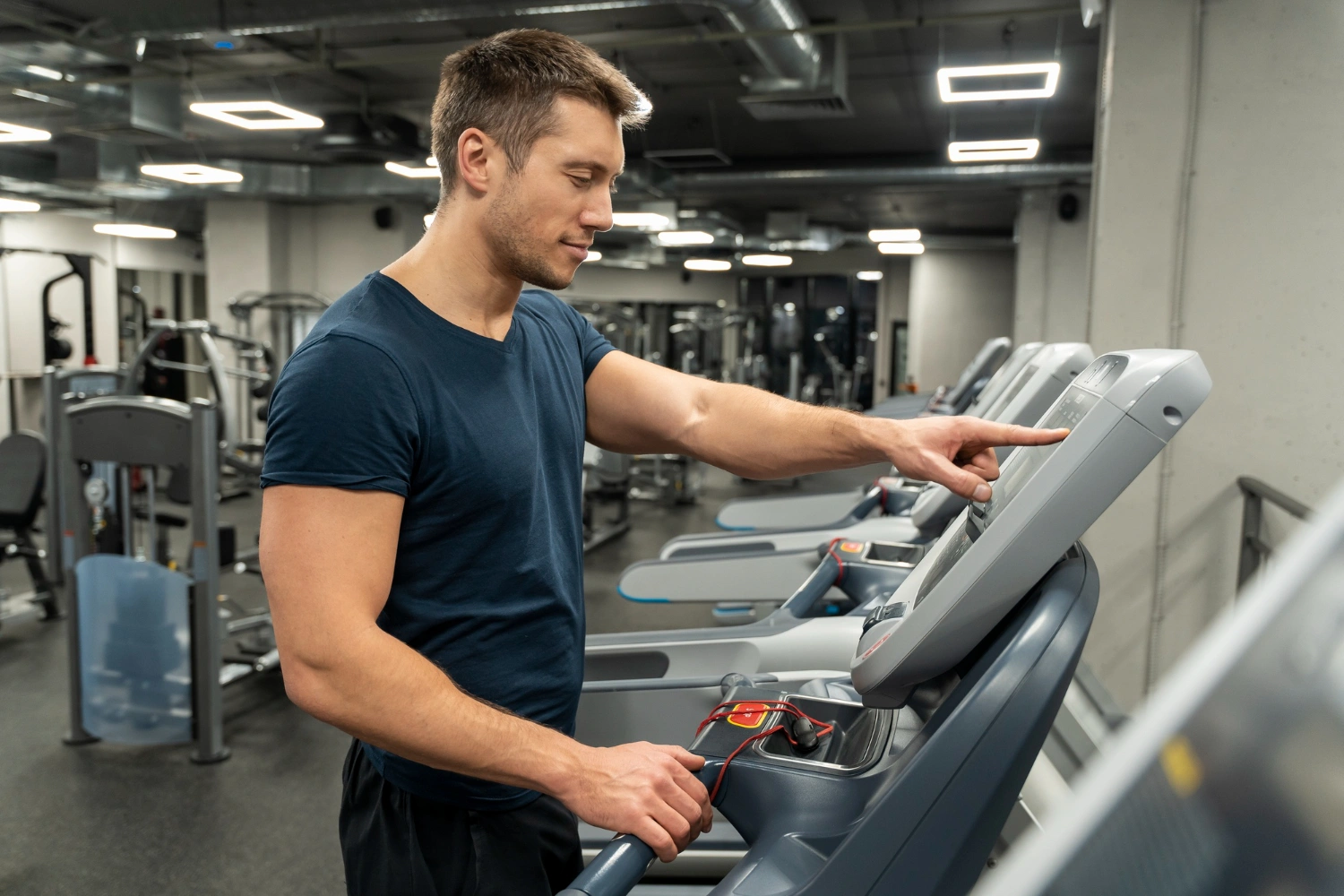
What equipment it covers
A good checklist should cover the full range of equipment, not just one machine type. For example, treadmill maintenance Malaysia usually focuses on belt condition, deck wear, motor performance, console function, and running alignment. In contrast, strength machines may need cable inspection, pulley movement checks, frame stability review, and weight stack testing. It should also include smaller items that are often overlooked, such as dumbbells, adjustable benches, squat racks, and multi-station frames. These products may not have motors, but they still rely on bolts, joints, pads, hooks, and load-bearing parts that can loosen over time. For shared or higher-use facilities, it is useful to record inspection dates and note abnormal sounds, movement, visible wear or recurring faults. Inspection frequency should be based on actual usage, equipment condition and the manufacturer’s instructions. Where a problem cannot be resolved through permitted routine care, arrange professional inspection rather than relying on a universal servicing interval. For home gym equipment maintenance, the checklist can be simpler, but it should still be consistent. The goal is the same in every setting: keep equipment functional, safe, and cost-efficient. If you want support beyond routine checks, this pathway can help you ask for Gym Equipment Maintenance Support through the service page or WhatsApp.Why does gym equipment maintenance matter for Malaysian homes and facilities?
Regular upkeep matters because it helps prevent avoidable accidents, reduces unplanned breakdowns, and keeps equipment working the way users expect. For Malaysian homes, offices, condos, and commercial gyms, a simple maintenance routine can protect both people and equipment investment.Safety and user confidence
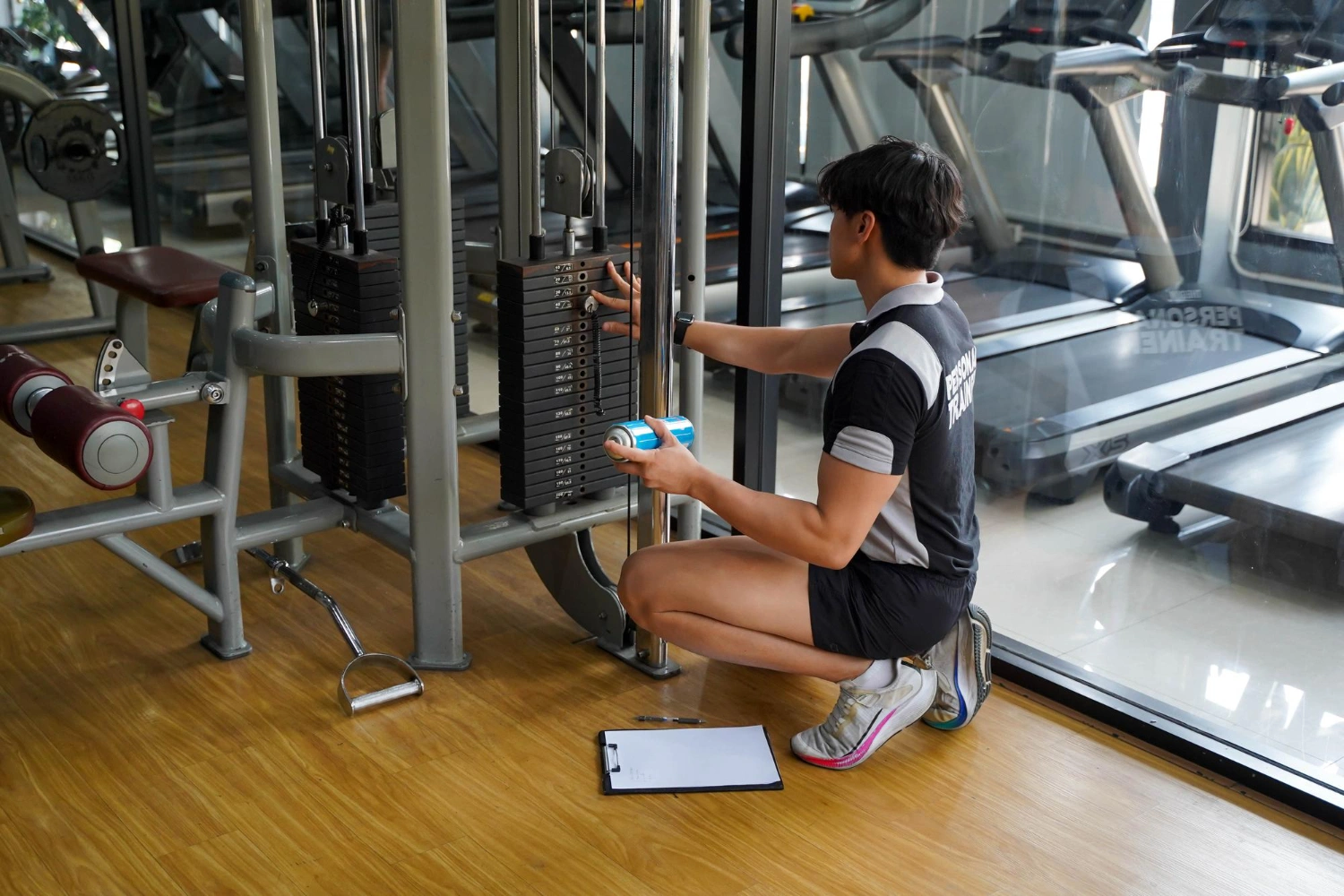
Routine maintenance is usually cheaper and safer than waiting for a breakdown.
Downtime and repair cost
Unexpected downtime is costly for both home users and facility owners. A broken treadmill in a condo gym or a faulty cable machine in a commercial space can interrupt workouts, reduce member satisfaction, and create urgent repair needs. In many cases, a small issue such as belt misalignment or a worn bearing can be corrected early through Our Services before it becomes a larger repair job. This is where gym equipment servicing Malaysia becomes practical, not optional. Preventive checks help identify problems before they spread to motors, belts, rollers, cables, or electronic displays. That means fewer emergency callouts and less disruption to daily use. For businesses, fewer breakdowns also help protect the value of the fitness area as a service amenity.Equipment lifespan and performance
Well-maintained machines usually last longer and perform more consistently. Treadmill maintenance Malaysia, for example, can help preserve smooth running, stable speed response, and quieter operation. For strength equipment, regular care supports better resistance feel, smoother movement, and safer load handling. This matters for both home gym equipment maintenance and commercial gym equipment maintenance because replacement costs can be significant. A structured maintenance habit helps delay wear, reduce friction-related damage, and keep equipment looking professional. For buyers in Malaysia, that means better long-term value from every purchase and a more reliable training space overall.Gym equipment maintenance checklist: daily, weekly and monthly checks
The table below is an example inspection framework, not a universal manufacturer service schedule. Daily, weekly and monthly frequencies can help organize routine observations, but the exact servicing, lubrication, adjustment and replacement intervals for each machine should follow its manufacturer documentation and actual usage.
| Equipment / Area | Example inspection framework |
|---|---|
| General equipment | Routine: clean surfaces using approved products and check for visible damage. Periodic: inspect accessible fasteners, moving parts and visible cables where applicable. Functional testing, adjustment and servicing should follow the manufacturer’s instructions. |
| Treadmills and cardio machines | Routine: clean approved contact surfaces and look for visible belt, cord or console issues. Periodic: note unusual noise, movement or control problems. Belt tension, tracking, lubrication, internal inspection and electrical work should follow the manufacturer’s service instructions. |
| Strength machines and cable systems | Routine: clean contact points and visually inspect cables, pulleys, selector pins, pads and accessible fasteners. Remove equipment from use if visible damage or abnormal movement is found, and follow the manufacturer’s inspection and replacement criteria. |
| Free weights, benches and accessories | Routine: clean approved surfaces and check for loose, cracked, bent or visibly damaged components. Follow the manufacturer’s guidance for tightening, replacement and removal from service. |
Treadmills and cardio machines
For treadmills, the daily task is simple: clear dust, sweat, and debris from the belt edges, console, and motor cover area. Weekly, look for belt drift, rubbing sounds, or a sudden change in running feel. Monthly, confirm the emergency stop works properly and check whether the deck or belt shows uneven wear. A treadmill that starts to feel rough often needs attention before it turns into a repair call.Strength machines and cable systems
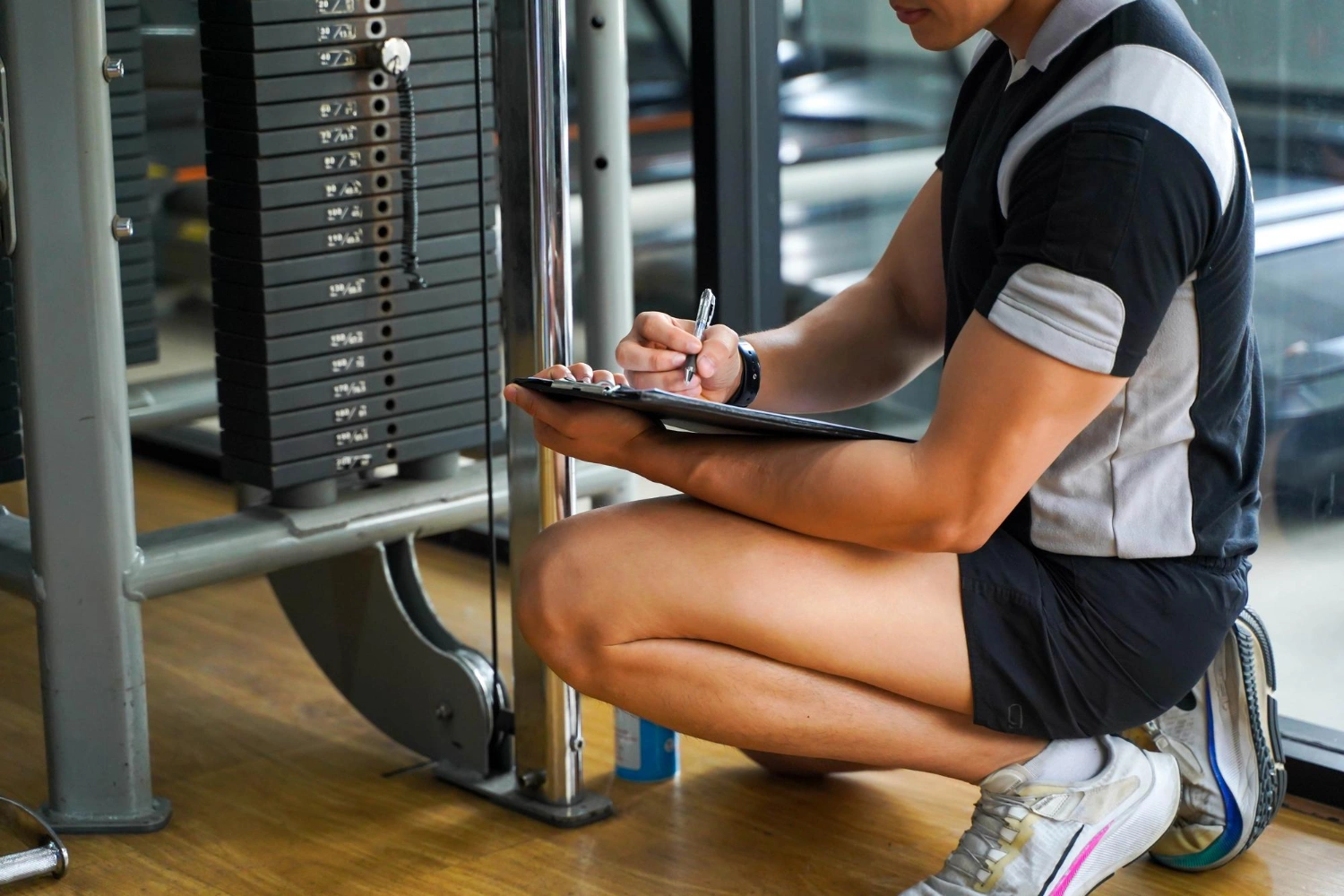
For selectorised stations, lat machines, and cable units, the main checks are cable condition, pulley movement, and bolt tightness. Daily cleaning should focus on grips, seats, and touch points. Weekly inspection should include frayed cable strands, uneven stack movement, and loose hardware. Monthly, test the full movement path to make sure resistance feels smooth and consistent from start to finish.Free weights, benches and accessories
Dumbbells, benches, racks, and smaller accessories need less mechanical work, but they still need regular inspection. Clean chalk, sweat, and dust daily, then check for loose bench bolts, unstable feet, worn upholstery, and damaged collars each week. Monthly, inspect welds, rack hooks, and any bends or cracks that could affect safe use. For buyers who want a practical gym equipment maintenance Malaysia routine, the best approach is to match the task to the equipment type. Cleaning is daily, inspection is weekly, tightening is usually weekly to monthly, lubrication is monthly or as required, and testing should be done every month or after any repair. This is also the point where gym equipment repair Malaysia support becomes useful if a machine fails inspection and needs professional attention. If you need help with commercial gym equipment maintenance or home gym equipment maintenance, ask for Gym Equipment Maintenance Support through Desire Gym’s service pathway and keep your equipment in working order.Malaysia practical example: a condominium gym inspection
For a condominium gym in Malaysia, staff can keep a simple inspection record for shared treadmills, bikes and strength machines: note the date, visible condition, unusual noise or movement, reported faults and whether the equipment remains in service. The record does not replace the manufacturer’s manual. If a treadmill shows recurring control errors or a cable machine has visible cable damage, stop normal use and arrange model-appropriate inspection.
DesireGym service context
DesireGym publishes maintenance and repair services for home and commercial gym equipment in Malaysia. For issues outside routine user care, use the Gym Equipment Maintenance Service or Gym Equipment Repair Service to discuss the equipment type, model, condition and next step.
What warning signs mean your gym equipment needs repair?
If a machine starts making unusual noise, feels unstable, or loses smooth resistance, stop using it and inspect it immediately. These are early signs that a small fault may be turning into a bigger repair issue.Noise, vibration and instability
Unusual sounds are often the first warning. A treadmill that squeaks, knocks, or slaps at the belt may have worn rollers, loose fasteners, or belt alignment issues. A bike that clicks under load may have a failing pedal, crank, or flywheel component. If a bench rocks on level flooring, or a rack shifts when loaded, do not continue use. Red flags to watch for:- Treadmill belt slipping, drifting to one side, or stopping suddenly
- Exercise bike pedals feeling loose, grinding, or uneven
- Cable machine pulleys jerking instead of moving smoothly
- Bench legs wobbling, bolts backing out, or padding shifting
- Dumbbells with cracked handles, bent shafts, or loose end caps
- Racks with bent safety arms, damaged hooks, or visible frame movement
Electrical or console problems
Electrical or control faults should be treated seriously. If a console powers on and off unexpectedly, controls stop responding, error codes recur or the equipment behaves unpredictably, stop normal use and follow the manufacturer’s troubleshooting instructions or arrange professional inspection. Do not assume the cause from the symptom alone, because electrical, sensor, control and power issues can require model-specific diagnosis.Wear on cables, belts and moving parts
Visible wear is another clear sign that maintenance is no longer enough. Frayed cables, cracked belts, shiny worn patches, or rust around moving joints mean the part may be near failure. On cable stations, even a few broken strands are a reason to stop use. On treadmills, a belt that feels hot, drags, or leaves black residue can signal friction or poor tracking. On free weights and benches, damaged grips, split upholstery, or bent hardware can affect stability and user safety. If you are unsure whether a fault needs servicing or replacement, Our Services can help you reach Desire Gym’s support pathway for gym equipment repair Malaysia, treadmill maintenance Malaysia, and related servicing needs. For Malaysian home and commercial buyers, fast action is the safest approach: stop use, document the issue, and arrange professional inspection before the damage spreads.When should you request professional gym equipment servicing in Malaysia?
Request professional servicing as soon as a machine shows performance changes, safety concerns, or repeat faults that basic cleaning and tightening do not solve. For Malaysian home users and commercial operators, the safest rule is simple: if the issue affects movement, resistance, power, or user safety, stop using the equipment and arrange a technician.What can be handled in-house
Routine care can usually stay with your team or household. This includes wiping sweat off frames and consoles, checking for loose bolts, vacuuming dust around motor covers, inspecting visible cables, and confirming that pedals, seats, and benches are secure before use. For treadmills, light belt-centering checks and surface cleaning are often suitable in-house, provided the machine is unplugged first. These tasks support gym equipment maintenance Malaysia without interrupting daily use.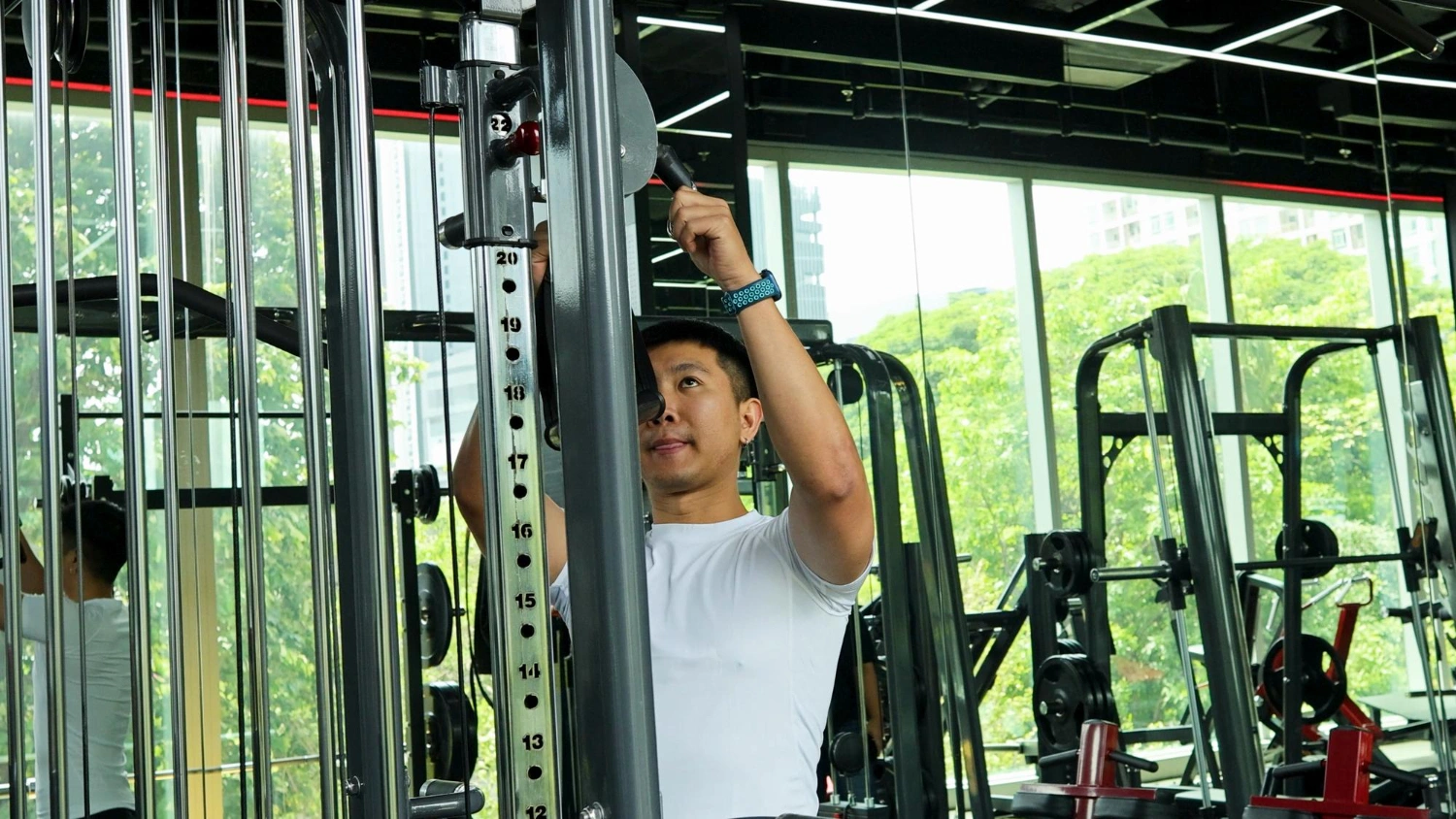
What should be left to technicians
Call for gym equipment servicing Malaysia when you notice electrical faults, unusual noises, burning smells, resistance errors, console failures, or repeated shutdowns. A treadmill that trips power, slips under load, or shows inconsistent speed needs professional attention, not another round of cleaning. The same applies to cable machines with rough pulley movement, spin bikes with unstable resistance, and strength stations with misaligned stacks or damaged guide rods. For shared and higher-use facilities, technician support can be useful when faults recur, equipment cannot be inspected safely in-house, or the required work falls outside the manufacturer’s user-maintenance instructions. Keep service records so recurring faults, replaced parts and inspection dates can be reviewed over time.How Desire Gym can help
When should I book servicing instead of waiting?
Book servicing when the fault keeps returning, the machine feels unsafe, or the problem affects performance during normal use. If a treadmill belt keeps drifting, a cable machine feels uneven, or a bike resistance knob no longer responds properly, it is time for professional inspection.Can I ask for help with both home and commercial units?
Yes. Desire Gym supports home gym equipment maintenance and commercial setups, including treadmills, exercise bikes, dumbbells, benches, racks, gym stations, and commercial cardio or strength equipment.What services are available?
The pathway includes installation, maintenance, repair, refurbishment, relocation, and short-term rental support, which makes it suitable for buyers who need practical after-sales help as well as equipment supply. If you need dependable support for treadmill maintenance Malaysia or gym equipment repair Malaysia, Desire Gym can help you choose the right service and keep your equipment in working condition. Add to cart or WhatsApp to know more.Frequently Asked Questions
How often should gym equipment be serviced in Malaysia?
What does professional gym equipment servicing Malaysia usually include?
When should I search for treadmill repair near me?
Is commercial gym equipment maintenance different from home gym equipment maintenance?
What are the signs that gym equipment repair Malaysia is needed instead of routine maintenance?
References
- National Strength and Conditioning Association — NSCA’s Safety Checklist for Exercise Facility and Equipment Maintenance. This supports routine inspection and cleaning; it does not replace a manufacturer’s service manual.
- Precor — Preventative Maintenance. This is retained only as an example of a manufacturer-specific maintenance program, not as a universal schedule for other brands.
- ASTM International — ASTM F1749-15(2026), Standard Specification for Fitness Equipment and Fitness Facility Safety Signage and Labels.
- Department of Occupational Safety and Health Malaysia — Occupational Safety and Health Act 1994 [Act 514], Reprint Version 1.6.2024.