How to Choose a Commercial Gym Equipment Supplier in Malaysia: 10 Factors to Compare
A commercial gym equipment supplier Malaysia should be compared on product range, project support, after-sales service, and fit for your facility type, budget, and timeline. The right supplier can hel
Quick answer
A commercial gym equipment supplier Malaysia should be compared on product range, project support, after-sales service, and fit for your facility type, budget, and timeline. The right supplier can help with installation, warranty handling, spare parts, maintenance, repair, refurbishment, and relocation, while also advising on condo, hotel, office, and school gym needs.
Key Takeaways
- Compare suppliers by commercial gym equipment range, not just individual product prices.
- Check whether they support installation, spare parts, maintenance, repair, refurbishment, and relocation.
- Match the supplier’s experience to your facility type, floor plan, budget, and timeline.
- Choose a partner that offers clear after-sales support and practical guidance before quotation.
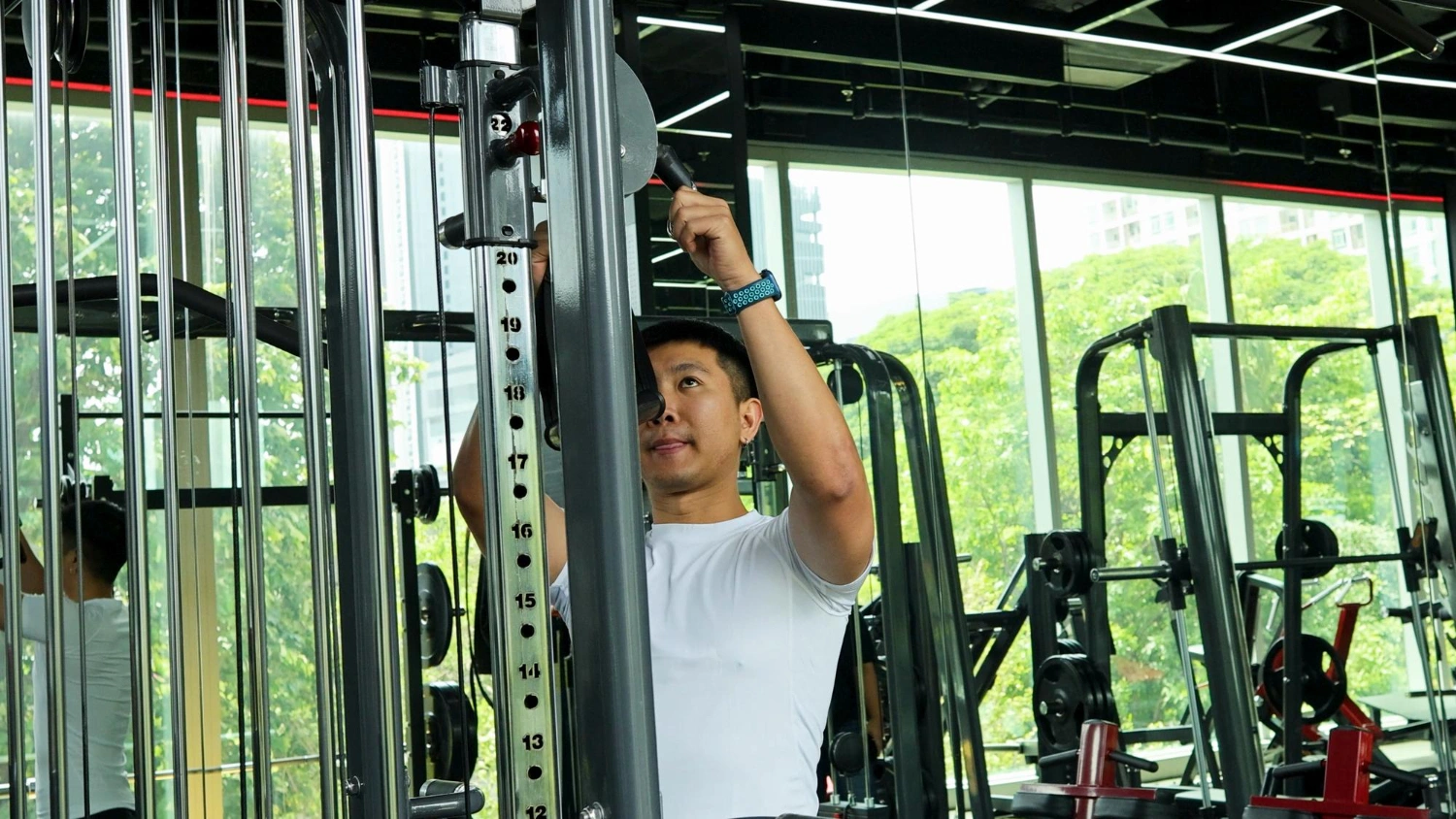
Choosing a gym equipment supplier Malaysia is not only about finding a catalogue with enough machines. It is about selecting a commercial gym equipment supplier Malaysia that can support your floor plan, budget, timeline, and facility type with practical advice before you commit. Desire Gym positions this guide for condo, hotel, office, school, and commercial gym buyers who need a clearer way to compare fit, support, and project readiness before asking for a quotation.
How do you choose a commercial gym equipment supplier in Malaysia?
Choose a supplier that can match your facility type, floor plan, budget, and timeline with commercial-grade products and practical project support. A reliable commercial gym equipment supplier Malaysia should help you plan the layout, confirm suitability for your users, and handle installation, warranty, spare parts, maintenance, repair, refurbishment, and relocation in a clear way.

Why supplier choice affects the whole project
The supplier affects more than the machines you buy. It also shapes how smoothly your commercial gym, condo, hotel, office, or school setup moves from quotation to delivery, installation, and after-sales support. If the supplier understands your space and usage level, they can recommend equipment that fits your floor plan and avoids wasted space, awkward traffic flow, or machines that are too light-duty for daily use.
For example, a compact condo gym may need a different mix of treadmills, strength stations, and free-weight solutions than a hotel fitness room or a school training area. The right provider should ask about ceiling height, power points, access routes, lift size, and the number of users expected at peak hours. Those details help reduce delays and prevent costly changes later.
This is also where support matters. A good supplier should explain how installation will be managed, what warranty coverage applies, how spare parts are sourced, and whether maintenance or repair help is available after delivery. If equipment later needs refurbishment or relocation, it is easier when the same team already understands the original setup. For a practical comparison framework, see Gym Equipment Supplier Malaysia: Choose the Right Partner.
Why price alone is not enough
Price is important, but it should not be the only factor. Lower quotes can hide weak support, limited spare parts access, unsuitable product quality, or missing installation services. In procurement, the cheapest option can become more expensive if equipment needs frequent repair, replacement parts are hard to get, or the layout must be changed soon after opening.
A better approach is to compare total value. Ask what is included in the quotation: delivery, installation, warranty handling, spare parts support, and post-sale maintenance guidance. Also check whether the quoted products are truly suitable for commercial use, not just light home use. Commercial gym equipment should be selected for the expected usage level, not only for its initial price tag.
Before requesting a quotation, prepare the key information the supplier needs for an accurate proposal: facility type, floor plan, target users, budget range, timeline, and any special requirements for installation or access. This makes comparisons clearer and helps you judge whether the supplier is responsive, organised, and able to support the project properly.
What should you compare before requesting a quotation?
Compare more than just the headline price. A strong shortlist should show which provider offers the right equipment mix, the right service scope, and the right project readiness for your site.
| Column | Column |
|---|---|
| Equipment fit | Check whether the products are suitable for a commercial gym, not only light-use settings. Match cardio, strength, and free-weight items to your expected traffic and training style. |
| Service scope | Confirm what is included: delivery, installation, warranty handling, spare parts access, maintenance guidance, repair support, refurbishment options, and relocation assistance. |
| Support quality | Ask how after-sales support is handled, who you contact for issues, and what information is needed for service requests. |
| Project readiness | Review whether the provider can work from your floor plan, budget, timeline, and site conditions without major delays or redesigns. |
Equipment suitability
Start by checking whether the equipment matches your intended use. A condo gym usually needs a different mix from a hotel, office, school, or larger facility type. For example, a hotel may prioritise simple cardio and light strength machines, while a school or office may need durable, easy-to-maintain options for mixed users. If you are comparing products, it helps to review examples first through Commercial GYM Equipment.
Also ask whether the equipment is built for repeated daily use, stable performance, and easier servicing. In a commercial setting, it is better to choose fewer suitable pieces than to overbuy machines that do not fit the space or user profile.
Facility type and usage level
Your floor plan should guide the quotation. Share room dimensions, ceiling height, entry points, lift access, and any fixed obstacles so the provider can check layout and installation feasibility. This is especially important if the gym is inside a condo, hotel, office, school, or shared facility where access may be limited.
Usage level also matters. A compact resident gym and a busy corporate fitness room will not need the same specification. Tell the provider how many users you expect, what time periods are busiest, and whether the space will support beginners, general users, or more serious training.
Before you request pricing, prepare these details:
- Facility type and intended users
- Floor plan and available space
- Budget range
- Timeline for delivery and installation
- Preferred equipment categories
- Any service needs for maintenance, repair, or relocation
This information helps a commercial gym equipment supplier Malaysia prepare a more accurate quotation and reduces the chance of costly changes later.
Commercial gym supplier comparison checklist: 10 factors to review
The safest way to choose a supplier is to compare more than price. Look at whether the provider can match the equipment, installation, and service plan to your facility type, budget, and timeline.
Product range and commercial grade
- Check whether the catalogue includes true commercial-grade equipment, not only light home-use models. Ask for frame thickness, motor ratings, maximum user weight, and duty cycle details where relevant.
- Compare how well the range fits your site. A condo gym may need compact, multi-use machines, while a hotel, office, or school gym may need more durable pieces with simpler controls.
- Review whether the provider can help you balance cardio, strength, and functional training so the layout supports real usage. If you need a structured buying guide, see Commercial GYM Equipment.
Installation and project handling
- Ask who handles delivery, assembly, and installation, and whether the team coordinates access, lift use, and on-site placement. Good project handling reduces delays and avoids damage during setup.
- Confirm whether the supplier can work from your floor plan and advise on spacing, traffic flow, and equipment positioning. This matters in tight commercial gym areas where poor planning can affect safety and user comfort.
- Check the timeline in writing, including stock availability, delivery window, and installation schedule. A clear plan is more useful than a low quote that does not match your opening date.
Warranty, spare parts, and service support
- Review the warranty terms carefully and note what is covered for parts, labour, and wear-related issues. Warranty length is less important than clarity, exclusions, and claim process.
- Ask whether spare parts are locally available and how fast common items such as belts, pads, cables, or consoles can be sourced. If parts are hard to obtain, repair downtime may become costly.
- Find out what after-sales support is available after purchase, including maintenance, repair, refurbishment, and relocation support. This is especially important for facilities that may expand, reconfigure, or move equipment later.
- Compare service responsiveness, maintenance options, and communication quality before you commit. A dependable commercial gym equipment supplier Malaysia should explain how support works after delivery, not only before payment.
A practical comparison also helps you judge value beyond the sticker price. For example, a slightly higher quotation may be more sensible if it includes proper installation, spare parts access, and clearer service support for your commercial gym.
What information should you prepare before asking for a quotation?
Prepare the basic project details first so the supplier can recommend suitable options and avoid giving a generic quote. The more complete your brief is, the easier it is to compare proposals fairly and choose the right setup for your commercial gym equipment supplier Malaysia search.
Facility type and floor plan
Start by explaining what kind of space you are fitting out and how the layout is arranged. A gym for a condo, hotel, office, school, or standalone commercial gym will have different usage patterns, traffic levels, and equipment needs.
Share:
- Facility type and location
- Floor plan or site layout, including room dimensions
- Ceiling height, column positions, lifts, stairs, and access points
- Floor loading limits, if available
- Power points, ventilation, and any wet or high-traffic areas
- Existing equipment that will stay, be moved, or be removed
If you already have a layout concept, attach it with measurements. Even a simple marked-up floor plan helps the provider understand space flow, safety spacing, and where installation may be more practical. If you are still comparing equipment ideas, this guide may help: Commercial GYM Equipment
Budget and timeline
Be clear about your budget range and your opening date or implementation schedule. A low quote may not include installation, delivery coordination, or the right equipment mix, so it is better to state your limits early and ask for a proposal that fits them.
Share:
- Total budget range
- Whether the budget includes delivery, installation, and accessories
- Target opening date or renovation deadline
- Whether the project is phased or needs to be completed all at once
- Any procurement approval steps or payment milestones
- Preferred quotation format for easy comparison
This helps the supplier balance cost, lead time, and product selection without over-specifying or under-specifying the package.
User profile and equipment priorities
Tell the provider who will use the space and how the equipment will be used day to day. A school, hotel, office, or condo gym may need a different mix from a high-traffic training facility.
Share:
- Expected user profile: beginners, residents, staff, students, or mixed users
- Estimated daily traffic or peak usage periods
- Preferred training style: cardio, strength, functional training, or mixed use
- Must-have items versus optional items
- Space for future expansion or equipment changes
- Any special needs such as quieter machines, beginner-friendly setups, or compact units
Also mention whether you need support for maintenance, repair, refurbishment, or relocation later. With these details, a supplier can prepare a more accurate quotation and recommend a setup that suits your facility type, floor plan, budget, and timeline.
Which supplier support services matter after installation?
The most useful support is the kind that keeps your equipment safe, usable, and cost-effective long after delivery. For a commercial gym equipment supplier Malaysia buyers can trust, post-installation service should cover maintenance, repair, spare parts, and clear communication when something needs attention.
Maintenance and repair support
Regular maintenance matters because commercial gym equipment in a condo, hotel, office, school, or training facility is used often and by many different users. Ask whether the provider offers scheduled servicing for items such as treadmills, bikes, strength machines, and functional training stations, and whether they can handle both preventive checks and urgent repair work.
A practical support plan should explain what is inspected, cleaned, tightened, lubricated, and tested during service visits. It should also show how the team handles common wear items such as belts, rollers, cables, consoles, pedals, and upholstery. If the supplier can support Our Services, it is easier to manage installation, maintenance, repair, and related needs in one place.
Refurbishment and relocation help
Support should not stop when the equipment is first set up. If your facility changes layout, expands, or moves to a new floor plan, ask whether the provider can assist with relocation, reassembly, and recommissioning. This is especially useful for offices, schools, and condo gyms where space may need to be adjusted later.
Refurbishment is also worth discussing for older commercial gym equipment. A sensible supplier can advise whether a unit should be repaired, refreshed, or replaced based on condition, usage level, and available spare parts. That helps you avoid wasting budget on equipment that no longer suits the facility type or user demand.
After-sales communication
Good after-sales support means the team is easy to reach, clear in their explanations, and organised in tracking cases. Ask how warranty claims are handled, what information is needed for diagnosis, and whether they keep records of your equipment model and service history. A supplier with a structured process reduces delays and confusion when issues arise.
What should I ask about maintenance before buying?
Ask how often servicing is recommended, what is included, and whether spare parts are stocked locally.
Why does relocation support matter?
It helps when your gym layout changes, equipment is moved, or the site is upgraded without unnecessary damage or downtime.
What should after-sales support include?
It should cover communication, warranty handling, parts availability, repair coordination, and follow-up for recurring issues.
For buyers comparing a commercial gym equipment supplier Malaysia wide, these support services are often what protect your budget over time. If you want a practical setup with installation, warranty guidance, spare parts support, and dependable service, Desire Gym can help you choose with confidence.
Frequently Asked Questions
How do I choose a reliable commercial gym equipment supplier in Malaysia?
Why shouldn’t I choose a gym supplier based on price alone?
What information should I prepare before asking for a quotation?
What support should a commercial gym supplier provide after installation?
What questions should I ask before requesting a quotation from a gym equipment supplier?
References
- Jabatan Keselamatan dan Kesihatan Pekerjaan (DOSH) Malaysia — Jabatan Keselamatan dan Kesihatan Pekerjaan (DOSH) Malaysia
- Occupational Safety and Health Act 1994 (Act 514) — Occupational Safety and Health Act 1994 (Act 514)
- Jabatan Keselamatan dan Kesihatan Pekerjaan (DOSH) Malaysia: Kelengkapan Pelindung Diri (PPE) — Jabatan Keselamatan dan Kesihatan Pekerjaan (DOSH) Malaysia: Kelengkapan Pelindung Diri (PPE)
- SIRIM Berhad — SIRIM Berhad
- SIRIM Berhad: Standards, Quality, Training & Consulting — SIRIM Berhad: Standards, Quality, Training & Consulting