How Many Gym Machines Does a Commercial Gym Need?
How many gym machines does a commercial gym need depends on peak users, concurrent users, floor area, operating hours, member profile, and training mix, not a fixed universal count. A practical plan u
Quick answer
How many gym machines does a commercial gym need depends on peak users, concurrent users, floor area, operating hours, member profile, and training mix, not a fixed universal count. A practical plan usually balances cardio equipment, strength machines, free weights, and functional training zones, then expands in phases as actual demand becomes clear.
Key Takeaways
- Plan equipment quantity around peak users and concurrent users, not around a single fixed number.
- Match the mix of cardio equipment, strength machines, free weights, and functional training to your member profile.
- Use floor area and operating hours to avoid overcrowding and underused machines.
- Consider phased expansion so the setup can grow with real usage and budget.
A commercial gym should be planned as a capacity system, not just a product list. This guide explains how Malaysia-based buyers can estimate machine quantity by looking at peak usage, concurrent users, floor area, operating hours, member profile, and training mix before requesting a quotation. Desire Gym takes a practical approach to commercial planning so you can choose the right balance of equipment for your site, budget, and expected traffic.
How many gym machines does a commercial gym need?
There is no single correct machine count for a commercial gym; the right number depends on expected peak users, floor area, operating hours, and the training demand you want to serve at the busiest time. In practical terms, the answer starts with capacity planning, not a fixed catalog list.
A useful first step is to separate total membership from concurrent users. A gym may have hundreds of members, but only a portion will train at the same time. That is why concurrent users matter more than headline membership when planning equipment quantity. If your busiest hour is before work or after office hours, the floor must support that traffic without excessive waiting or crowding.
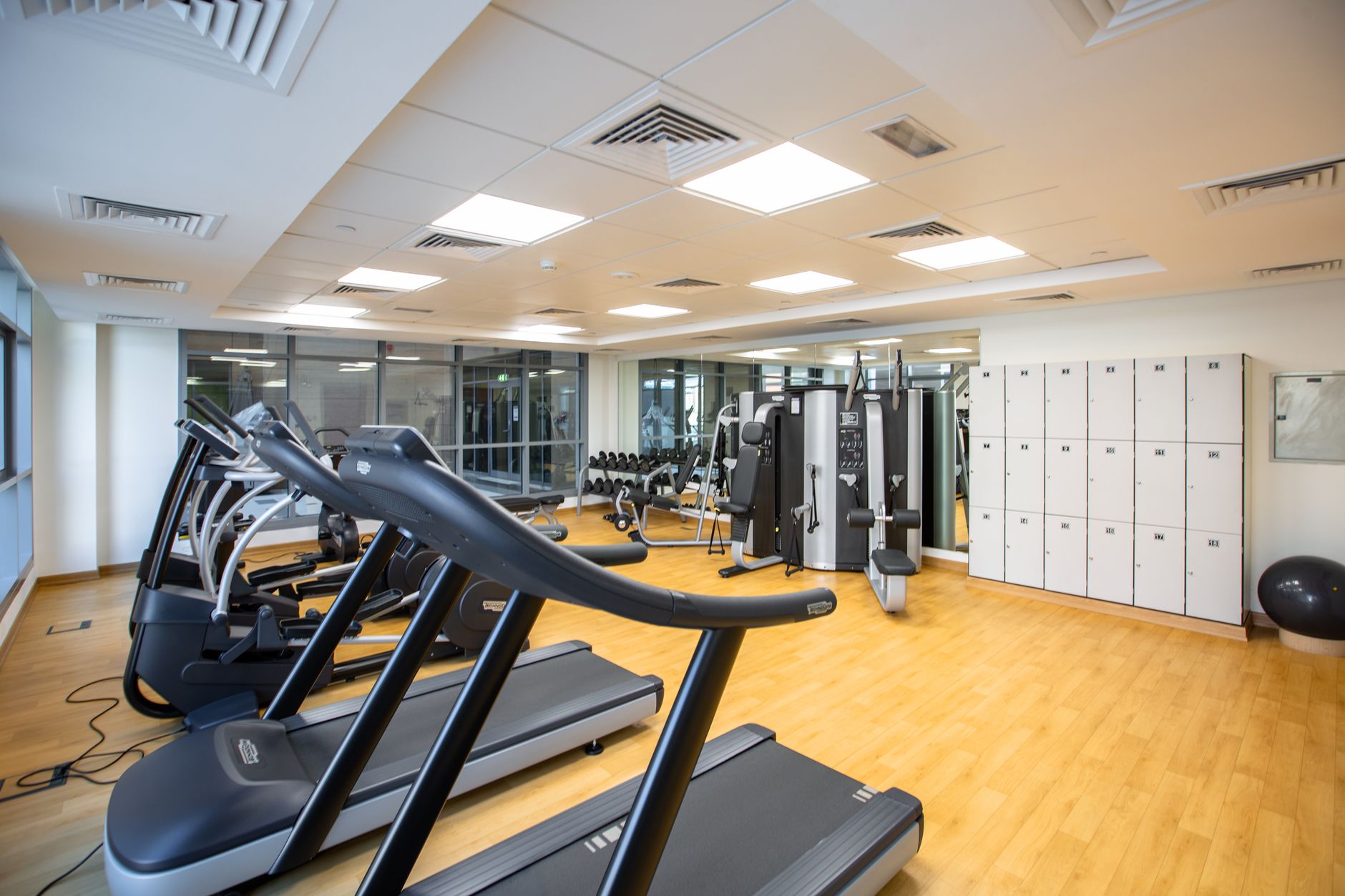
For commercial gym equipment quantity planning, break demand into the main zones:
- Cardio equipment for steady turnover and warm-ups.
- Strength machines for guided resistance work and beginner-friendly use.
- Free weights for higher flexibility and heavier lifting.
- Functional training for classes, circuits, and open movement work.The next step is to estimate stations by category, then test the mix against the floor plan. For example, a compact neighbourhood fitness centre may prioritise a smaller cardio row, a balanced set of selectorised strength machines, and a stronger free-weights area, while a larger premium facility may need more stations across all four zones. This is an inference-based planning method, not a fixed rule, because user behaviour, member profile, and floor area vary widely from site to site. ACSM’s facility guidance supports planning equipment as part of overall design, safety, and operating practice rather than as a one-size-fits-all count. (us.humankinetics.com)
Operating hours also change the equation. Longer daily hours can spread usage more evenly, while shorter opening windows usually create sharper peak demand. In Malaysia, that is especially important for gyms serving office workers, students, and mixed-use condominium residents, where evening traffic can be concentrated.
A practical target is to leave room for phased expansion. Start with the equipment mix that supports opening-day demand, then add stations only after real usage data confirms which categories are under pressure. DesireGYM recommends this approach because it helps buyers match budget, space, and demand without overbuying too early.
What should you count before choosing equipment quantity?
Start with the number of people who are likely to train at the same time, not the total membership on paper. Then map that demand to the training styles you expect, the available floor area, and the operating pattern of the site.
Peak users vs total membership
A gym with 600 members may only have 60 to 120 people inside during a busy hour, depending on opening hours, location, and audience mix. That is why quantity planning should begin with peak concurrent users, then be refined by member profile.
Use this simple capacity method:
- Define users: separate weekday peak users, off-peak users, and visitor flow if the gym accepts day passes or corporate members.
- Identify high-demand categories: note whether demand is heavier in cardio, selectorised strength machines, free weights, or functional training.
- Estimate stations: assign enough equipment for the busiest categories first, then compare that mix with actual usage expectations.
- Test against the floor plan: confirm the layout can fit the equipment without blocking movement, visibility, or emergency access.
- Leave room for circulation and service access: this avoids a crowded room where members cannot move safely or staff cannot maintain machines properly.
This is also where budget discipline matters. Quantity affects not only opening-day spend, but replacement timing and maintenance load, so it should be reviewed together with Commercial GYM Equipment.
Floor area and circulation space
Floor area determines whether the room can hold the planned mix at a usable standard. A compact studio may need a stronger bias toward multi-use stations, while a larger fitness centre can separate cardio equipment, strength machines, free weights, and functional training into clearer zones.
Do not count machines only by category total. Count how many stations fit after allowing space for benches, dumbbells, cable movement, user queuing, and staff access. In practical terms, the layout should support movement between zones without forcing users to wait in walkways.
Operating hours and usage pattern
Short operating windows usually create sharper peaks, while long hours can spread demand more evenly. That affects whether the gym needs more duplicate stations or can work with a leaner starting mix.
In Malaysia, member patterns may differ by site type: office-area gyms often peak after work, condominium gyms may spike in the evening, and mixed-use sites may show weekend family traffic. DesireGYM usually advises buyers to match machine count to those real usage windows, then expand in phases only when actual traffic justifies it.
How do you plan cardio equipment, strength machines, free weights, and functional stations?
Start by prioritising the stations that will be used most often at peak time, then balance them against the space each category consumes. In a commercial gym, the right mix is usually more important than adding more units of one type.
High-demand categories first
Cardio equipment should be planned around the busiest arrival pattern, especially if members tend to train before work, after work, or during short lunch breaks. Treadmills, upright bikes, and cross trainers are usually high-turnover items because users expect a simple warm-up or steady-state session, so they should be placed where flow is easy and the queue is visible.
Strength machines deserve the next layer of attention because they often serve members who want guided resistance work with less setup time. A sensible plan is to map the main muscle groups your members are likely to train, then cover those with a practical spread of selectorised machines, plate-loaded units, and dual-function stations. The goal is to reduce bottlenecks at the most requested movements rather than fill the room with duplicates.
| Planning focus | Cardio equipment | Strength machines | Buyer consideration |
|---|---|---|---|
| Likely demand | High at opening, peak hours, and warm-up periods | High throughout the session, especially for beginner and intermediate users | Choose the mix based on actual usage windows |
| Space intensity | Moderate to high, depending on machine footprint and safety clearance | Moderate, but needs access space for loading and movement | Reserve room for circulation, not only equipment bodies |
| Planning priority | First if you expect short, frequent visits | First if your members value structured resistance training | Avoid overbuying one category at the expense of another |
| Budget impact | Often drives the initial equipment list | Often drives long-term utilisation | Balance upfront spend with the room’s main training purpose |
Where free weights and functional training fit
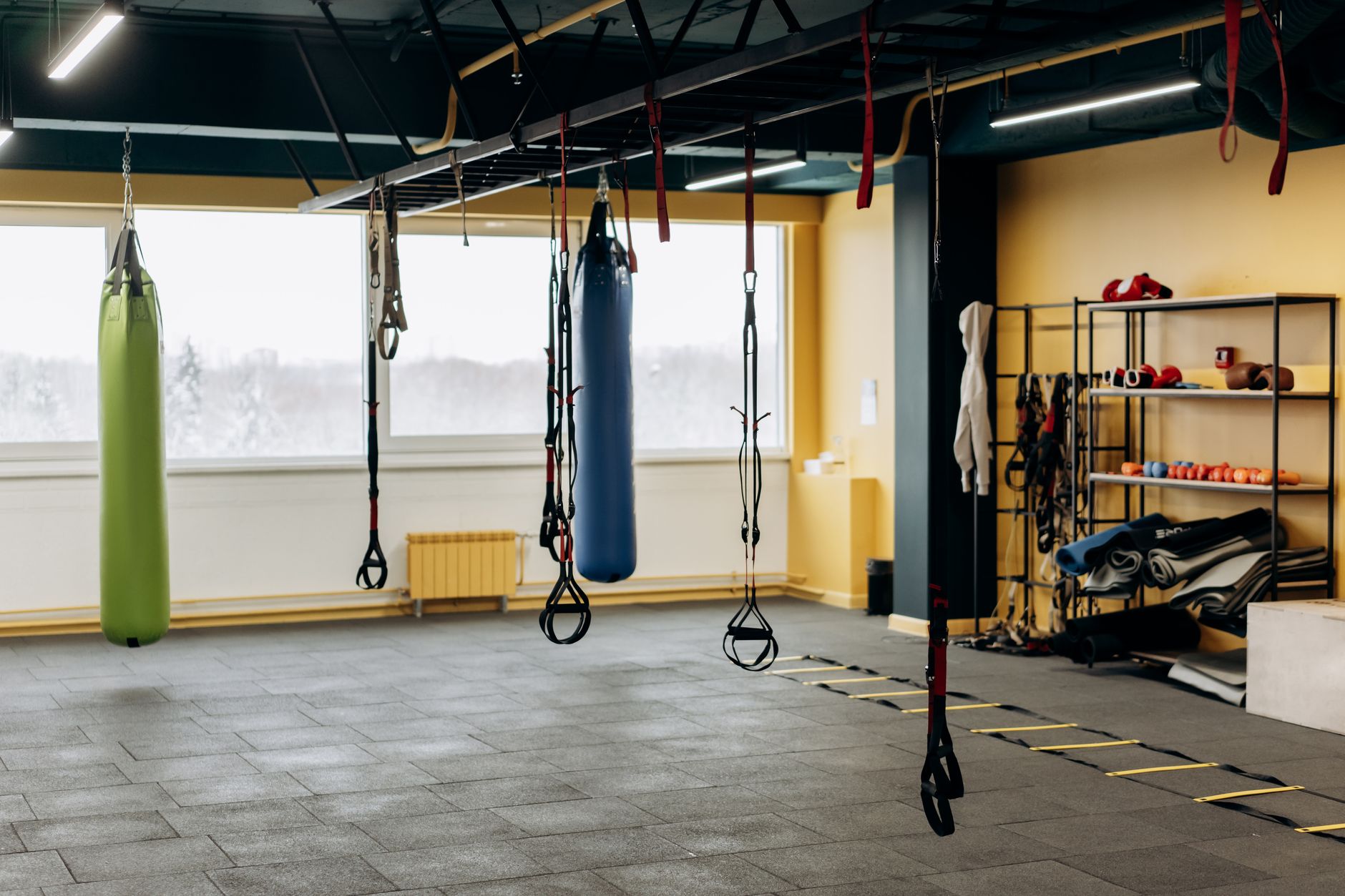
Free weights and functional training should not be treated as leftover space. They need deliberate planning because they can support multiple training styles with fewer fixed stations. A compact free-weight zone may use squat racks, dumbbell benches, and storage, while functional training can use open floor, cable work, sled paths, or modular rigs.
For many Malaysian buyers, this is where commercial gym equipment quantity planning becomes more realistic: free weights often deliver high value per square metre, while functional stations can serve mixed ability levels without requiring a separate machine for every movement. If the membership profile includes serious lifters, personal training clients, or group classes, this area may need more floor allowance than a simple machine count suggests.
Why the mix matters more than a single machine count
A high machine count can still fail if the busiest time is congested, while a leaner mix can work well if it matches user demand and room layout. The better question is whether the equipment categories support the member profile, operating hours, and floor plan together. That is why DesireGYM tends to review the full training pattern first, then recommend a phased build-out rather than treating every site the same.
In practice, this means planning for balance: enough cardio to handle warm-ups and traffic peaks, enough strength stations to reduce waiting, and enough free-weight and functional space to keep the gym versatile. If the first opening phase performs well, the team can add more stations later based on actual usage instead of guesswork.
How does equipment quantity change by facility type?
The right machine count changes a lot by facility type. A commercial gym usually needs a broader mix and more duplicate stations for peak use, while an office gym or amenity space usually works better with fewer pieces chosen for convenience, durability, and low maintenance.
Commercial gym
Commercial gyms need the most flexible equipment plan because they serve different training goals across the day. Instead of counting total membership, the team should size the floor around peak users, popular workout types, and how long each station stays occupied. A large free-weight zone, multiple cardio options, and several strength machines are usually more important than filling the room with every available machine type.
- Prioritise a balanced mix of cardio equipment, selectorised strength machines, free weights, and functional training space.
- Expect more duplicate stations for high-demand pieces, especially where members train before and after work.
- Use floor area as a real constraint; a larger room can support more variety, but only if circulation and safety spacing stay clear.
- Plan with operating hours in mind: longer opening hours can spread demand, while short busy windows may require more simultaneous training options.
- If the site is still early in development, review Commercial GYM Equipment before finalising the purchase list.
For a full-service gym, quantity planning is less about one fixed formula and more about whether the equipment supports traffic during the busiest hour without creating wait times.
Office gym
Office gyms usually need fewer machines than a public fitness centre because usage is concentrated around break times and before or after work. The mix often leans toward simple cardio, a compact strength selection, and a functional corner that can handle short, efficient sessions.
- Choose compact, multi-use equipment that suits quick workouts.
- Keep cardio and a small number of strength stations rather than building a large machine bank.
- Use durable, easy-to-maintain pieces because staffing and supervision are often limited.
- Leave enough open space for stretching and bodyweight work, since many employees prefer short sessions over full training blocks.
Hotel or condo amenity
Hotel and condo gyms usually need a lighter equipment package, but the selection should still feel complete enough for everyday guests and residents. The goal is convenience and broad appeal, not a heavy commercial training environment.
- Focus on essential cardio, a modest strength mix, and a functional zone that supports general fitness.
- Choose equipment that is simple to use for casual users with different experience levels.
- Keep the layout open and approachable so the room feels comfortable, not crowded.
- In many cases, phased expansion works well if usage grows after opening.
For Malaysia buyers planning a larger build, DesireGYM can help align equipment quantity with facility type, floor area, and user demand before you place the order.
How should you phase expansion after opening?
The safest approach is to launch with the core mix you can support well, then add equipment in stages once real usage data shows where pressure builds. This keeps commercial gym equipment quantity planning tied to actual demand instead of assumptions.
Avoid overbuying at launch
Start with the essentials that serve the widest range of users, then leave space for future additions. A smaller first order is often easier to manage than trying to fit every machine type into the room on day one.
For Malaysian facilities, this usually means prioritising the stations that support your busiest training styles first: cardio, a balanced strength area, and a functional corner that can flex across different classes or self-guided workouts. If the floor plan is tight, it is better to protect circulation paths and training comfort than to force in more machines too early.
Track usage data after opening
Use the first 6 to 12 weeks to observe real behaviour, not just planned capacity. Track which machines are occupied most often, when congestion appears, and whether certain zones sit unused. This matters because total membership is not the same as peak concurrent users, and the peak hour is what usually determines whether the room feels busy or comfortable.
A simple log can help:
- peak check-in times by day
- average session length
- repeated wait times at specific stations
- class overlap with open-gym traffic
- which user groups prefer cardio, strength, or free weights
Expand based on demand
Once patterns are clear, add equipment in the order of pressure points. For example, if cardio machines are occupied first every evening, add a matching unit before buying more low-use specialty pieces. If strength zones are full but free weights are underused, the next step may be another selectorised machine rather than more dumbbells.
What should be added first in a phased plan?
The first additions should usually solve the most visible bottleneck, such as a crowded cardio line, a missing strength movement, or limited functional training space.
When is the right time to expand?
Expand when the same congestion appears regularly over several weeks, not just during one busy season or a single promotion period.
Should every gap be filled immediately?
No. Keep some flexibility so the gym can adapt as membership mix changes, especially if the centre plans classes, personal training, or future zone upgrades.
If you are planning the next phase for DesireGYM, the team can help you choose the right equipment mix and stage the order with confidence. Add to cart or WhatsApp to know more.
Frequently Asked Questions
How many gym machines does a commercial gym need for its opening lineup?
What is the difference between total membership and peak concurrent users?
How do I estimate the right number of machines for a gym floor plan?
Should a commercial gym buy all its equipment at once?
Do different facilities need different machine counts?
References
- ACSM’s Health/Fitness Facility Standards and Guidelines — ACSM’s Health/Fitness Facility Standards and Guidelines
- Whole Building Design Guide: Fitness Center Design Guide — Whole Building Design Guide: Fitness Center Design Guide
- IDEA Health & Fitness Association: “Functional Fitness Facilities: A Refresher” — IDEA Health & Fitness Association: “Functional Fitness Facilities: A Refresher”
- ACSM “Selecting the Right Fitness Facility” Handout — ACSM “Selecting the Right Fitness Facility” Handout