Barbell Buying Guide Malaysia: Olympic vs Standard Bars
A barbell buying guide Malaysia should help you choose between Olympic and standard bars based on plate compatibility, rack fit, space, flooring, and training style. For most home gyms and commercial
Quick answer
A barbell buying guide Malaysia should help you choose between Olympic and standard bars based on plate compatibility, rack fit, space, flooring, and training style. For most home gyms and commercial setups, the right barbell is the one that matches your weight plates, supports your rack, and fits your training goals safely and practically.
Key Takeaways
- Olympic and standard bars use different sleeve sizes, so plate compatibility matters first.
- Rack spacing, room size, and floor protection should guide your barbell choice in Malaysia.
- Olympic bars usually suit wider equipment ranges, while standard bars can work for simpler home setups.
- Desire Gym offers barbell and weight plates options, plus home gym equipment and support for Malaysian buyers.
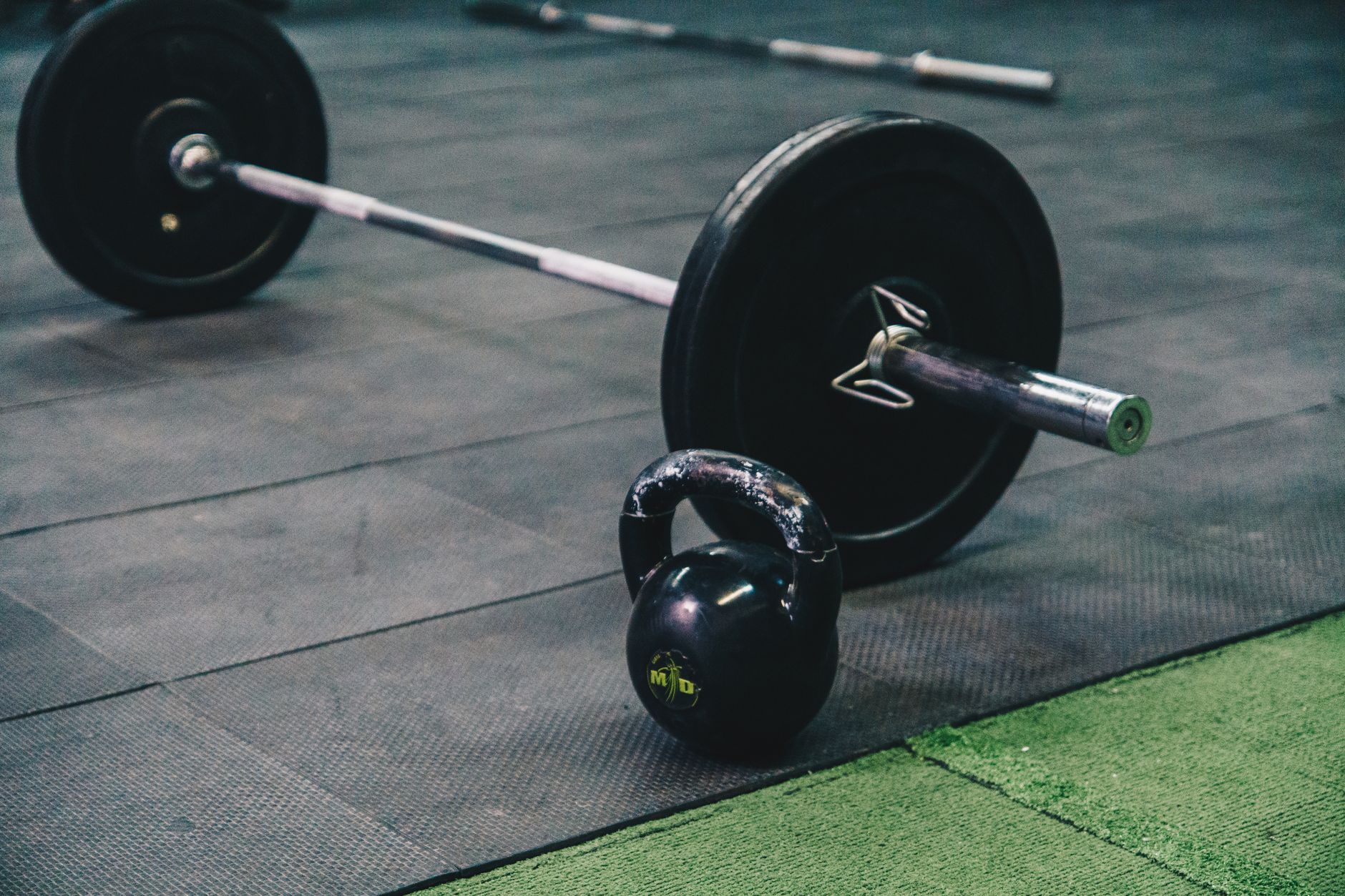
Choosing the right barbell is not only about the bar itself; it is about how it fits your plates, rack, workout space, and training needs. This practical guide for Malaysian home gym users, condo residents, and facility owners explains the differences between Olympic and standard bars in clear terms, so you can make a confident purchase decision. If you are comparing options at Desire Gym, the goal is to match the barbell to your setup first, then choose the most suitable training solution for your space and budget.
What is the difference between Olympic and standard barbells?
The main difference is the sleeve size: Olympic bars use 50 mm sleeves, while standard bars use 25 mm sleeves, so they are not interchangeable with the same plates. In practical terms, this means the bar must match your plate set, rack setup, and training style before you buy.
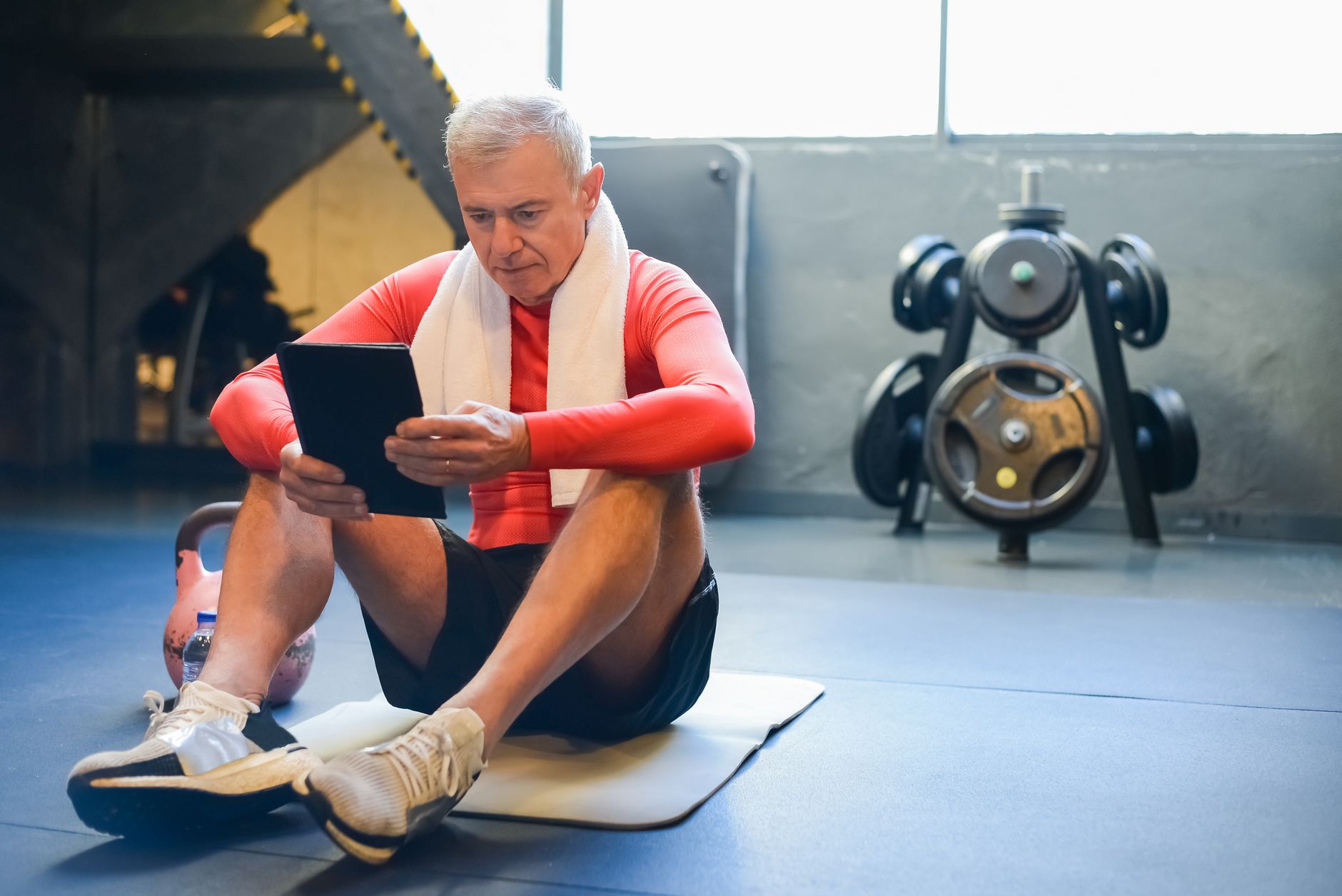
For a barbell buying guide Malaysia, the easiest way to decide is to check the hardware you already own. If your weight plates have a larger centre hole, they are built for Olympic sleeves; if they fit a smaller hole, they are standard plates. This matters for home gyms, condo spaces, and commercial rooms because the wrong bar can create avoidable fitting problems.
| Feature | Olympic barbell | Standard barbell |
|---|---|---|
| Sleeve diameter | 50 mm | 25 mm |
| Plate compatibility | Olympic plates | Standard plates |
| Typical bar weight | Often 15 kg or 20 kg | Often lighter |
| Shaft diameter | Usually thicker | Usually slimmer |
| Sleeve rotation | Better spin for dynamic lifts | Usually simpler design |
| Load rating | Higher on many models | Lower on many models |
| Best fit | Mixed training, racks, serious home gyms | Basic strength work, simpler setups |
What these differences mean in daily use
A larger sleeve diameter improves compatibility with most modern plates and accessories. It also gives you more room to build a versatile setup if you plan to add a bench, squat rack, or more weight later. Standard bars can still work well for simpler training, especially where space and budget are tighter.
Bar length and shaft diameter also affect comfort and handling. Thicker shafts usually feel more solid in the hands, while slimmer shafts can be easier for newer lifters to grip. Sleeve rotation is another practical point: a smoother spin can help with controlled movement during dynamic lifts, while basic bars are often adequate for general strength training.
For Malaysian buyers, rack fit and room access matter too. In a condo or smaller home gym, measure the training area, doorway clearance, and storage space before ordering. If you are browsing options, the provider’s Fitness & GYM Equipment Online Store Malaysia – Desire GYM page is a useful starting point for barbells, weight plates, and related home gym equipment.
One important note: “Olympic-style” only describes the bar’s general format and sleeve size; it does not automatically mean competition-certified. Choose based on compatibility, training needs, and the space you have available.
Olympic vs standard barbells: which one fits your plates, rack, and training goals?
If your plates are already 50 mm Olympic-type plates, choose an Olympic barbell; if you are using smaller home-gym plates, a standard bar may be the simpler fit. The right choice depends on plate hole size, rack compatibility, and how much space you have in your condo or home gym.
Plate compatibility
| Feature | Olympic barbell | Standard barbell |
|---|---|---|
| Sleeve diameter | About 50 mm | Usually about 25–28 mm |
| Plate hole size | 50 mm plates | Smaller standard plates |
| Bar length | Commonly around 7 ft / 220 cm | Often shorter, varies by model |
| Bar weight | Commonly 20 kg for men’s bars, 15 kg for women’s bars | Often much lighter |
| Shaft diameter | Typically thicker, around 28–29 mm | Usually slimmer |
| Load rating | Often higher, depending on build | Usually lower |
| Common use cases | Squats, presses, deadlifts, general strength setups | Basic lifting, lighter home training, compact spaces |
| Space needs | Needs more room for storage and loading | Easier for tighter home layouts |
If you already own 50 mm weight plates, an Olympic bar keeps your setup consistent and avoids buying duplicate plates. That matters for Malaysian buyers building a long-term home gym, because the same plate standard also makes it easier to expand later with more load options. If you are browsing barbells, plates, and related home gym equipment, the Fitness & GYM Equipment Online Store Malaysia – Desire GYM page is a practical place to compare options in one place.
Bar length and bar weight
Bar length affects how comfortably the bar fits inside your training area, especially in Kuala Lumpur condos where floor space may be limited. A full-length Olympic bar can feel more stable for compound lifts, while a shorter standard bar may suit lighter sessions or rooms with tighter turning space. Bar weight also matters for progression: a 20 kg Olympic bar gives you a familiar training base, while lighter standard bars can be easier for beginners, teens, or users focusing on technique work.
Rack and attachment fit
Before buying, check your rack’s inner width, J-hook spacing, and any attachment clearance. A bar that is too long can be awkward in a small room, while a bar that is too short may not sit properly on a power rack. Also consider flooring and noise: metal-on-floor contact can be loud in apartments, so use mats and store plates carefully. For delivery access in KL, measure lifts, stairways, and corridor turns so the bar can be brought in without damage.
How do bar dimensions, knurling, and sleeve rotation affect your training?
The right bar dimensions and finish can make lifting feel safer, smoother, and more consistent. If you train at home or in a KL condo, small differences in shaft thickness, grip texture, and sleeve spin can noticeably change comfort and lift quality.
Shaft diameter and grip feel
Shaft diameter affects how secure the bar feels in your hands. A common Olympic-style bar uses a 28 mm or 29 mm shaft, which many lifters prefer for a firmer deadlift, squat, and press feel. Standard bars are often slimmer, which can feel easier to hold for beginners but may feel less stable during heavier work.
For practical use, a thicker shaft can help experienced users maintain control during heavier compound lifts, while a slimmer shaft may suit lighter sessions, general fitness, or smaller hands. If you expect to train regularly with weight plates, grip feel should be checked together with the bar’s overall balance, not by diameter alone.
Knurling and hand comfort
Knurling is the textured pattern cut into the shaft for grip. More aggressive knurling gives better hold, especially when hands are sweaty, but it can feel sharper during high-rep sets or frequent home workouts. Milder knurling is more comfortable for general use, though it may feel less secure if you lift heavy or train without chalk.
A practical approach is to match knurling to your training style:
- Beginners and general fitness users: milder grip texture for comfort
- Strength-focused lifters: more defined knurling for control
- Mixed-use home gym setups: balanced knurling for both comfort and stability
Sleeve rotation and lifting style
Sleeve rotation helps the plates turn independently from the shaft. This matters most for fast or explosive lifting because smoother rotation reduces wrist and forearm strain during dynamic movement. A well-built Olympic barbell product usually has better sleeve spin than many basic standard bars, which is why it feels more fluid in repeated training.
For slower strength training, sleeve rotation is less critical, but it still improves overall handling. In contrast, if the bar feels stiff or rough, lifting can feel less smooth when racking, unracking, or transitioning between exercises. For many Malaysian home gym buyers, this is a useful detail when choosing between an entry-level bar and a more training-focused option from Desire Gym. Add to cart or WhatsApp to know more.
Will a barbell fit a condo or home gym in Malaysia?
Yes, in many Malaysian condos and home gyms it can fit comfortably if you measure first and plan for storage, movement, and safe loading space. The main concern is not only bar length, but also whether you have enough clear working area around the rack, plates, and doorway access.
Room space and storage
A typical full-length bar is around 2.2 m long, so it is usually better suited to a living room corner, spare room, or dedicated home gym zone than a narrow bedroom. Shorter bars can work in tighter spaces, but you still need room to load plates and move safely during setup and reracking. If you are building a compact setup, Top Home Gym Equipment in Malaysia for Every Fitness Goal can help you plan the rest of the space around the bar.
- Measure the usable floor area, not just the room size.
- Check the bar length against wall clearance, rack width, and walking space.
- Confirm that your rack, bench, and plate storage will not block doors, cupboards, or balcony access.
- Make sure the bar can be carried into the unit through lifts, corridors, or stairways without awkward turning.
Flooring and noise
Condos and apartment units need extra attention to vibration and sound. A barbell with weight plates can create noise when set down, so rubber flooring, crash mats, or dense gym tiles are helpful. This is especially important if you train early, live above other residents, or have neighbours sharing a thin floor slab.
A practical setup usually includes:
- Rubber flooring under the lifting area
- Stable rack placement on a level surface
- Plate storage close to the training zone
- Controlled lowering of the bar during training
For home users, the flooring should support both the load and the repeated impact from training. If the floor flexes too much, the setup may feel unstable even when the equipment itself is suitable.
Delivery access and setup
Before placing an order, check the lift size, corridor width, staircase turns, and main door opening. In Malaysia, many condo units have limited delivery access, so it helps to confirm whether the bar arrives in one piece and whether the packaging can fit through common access points. The team at Desire Gym can help buyers match the bar size with their room layout and home gym plan.
Preparing the space before delivery makes setup easier:
- Clear the entry path
- Unbox near the training area
- Assemble the rack before loading plates
- Keep tools and protective flooring ready
If you are setting up a home gym in Kuala Lumpur, this planning step can save time and reduce the risk of damage during installation. Add to cart or WhatsApp to know more.
What should Malaysian buyers check before ordering a barbell?
The safest approach is to confirm fit, function, and space before you buy. A good bar should match your plates and rack, suit your training style, and work comfortably in your home or condo layout.
Buyer checklist
- Plate hole size: Check whether your plates are 50 mm for Olympic-style sleeves or a smaller standard size. This determines whether your existing plates can be used without adapters.
- Rack compatibility: Measure the internal width and J-hook spacing of your rack so the bar can sit and lift smoothly. A mismatch can make unracking awkward or unsafe.
- Training use: Decide whether you need a general-purpose bar for squats, presses, and deadlifts, or a more specialised bar for heavier pulling or technical lifting.
- Available space: Measure ceiling height, floor area, and turning space if the bar will be moved through lifts, corridors, or narrow condo entrances in Kuala Lumpur.
- Flooring protection: Use rubber mats or lifting tiles so the setup is more stable and the floor is better protected from repeated loading and unloading.
- Weight plates or full setup: If you are starting from zero, it may be more practical to buy the bar together with matching plates, a rack, and a bench rather than piece everything together later.
For buyers who want help matching the bar to the rest of the setup, the provider’s Our Services page is useful for support on product selection and after-sales guidance.
Also check the sleeve finish, shaft grip, and load rating so the bar feels right for your training volume. The bar should be long enough for your rack and lifting style, but not so long that it becomes difficult to store in a home gym.
Practical tip for Malaysia buyers
If you are building a compact training corner, think beyond the bar alone. Many home users in Malaysia start with a barbell and later add plates and storage, while others prefer a complete home gym equipment category setup for better value and easier planning.
Desire Gym offers practical options for buyers who want a reliable barbell, matching weight plates, and home gym equipment choices in one place. Add to cart or WhatsApp to know more.
Frequently Asked Questions
How do I choose between an Olympic barbell and a standard barbell in Malaysia?
What is the difference between sleeve diameter and plate compatibility?
Will an Olympic-style bar always be competition-certified?
What should condo and home gym buyers in Malaysia check before delivery?
What should I prepare before contacting a barbell seller in Malaysia?
References
- Rogue Fitness — Choosing a Weighlifting Bar – Part 2 — Rogue Fitness — Choosing a Weighlifting Bar – Part 2
- Rogue Fitness — The Ohio Bar – E-Coat — Rogue Fitness — The Ohio Bar – E-Coat
- Rogue Fitness — Rogue Olympic Weightlifting Bar – Stainless — Rogue Fitness — Rogue Olympic Weightlifting Bar – Stainless
- Rogue Fitness — Barbells – Weight Training Barbells — Rogue Fitness — Barbells – Weight Training Barbells
- Eleiko — Barbell Guide — Eleiko — Barbell Guide