Commercial Gym Equipment Checklist by Facility Type
A commercial gym equipment checklist is a facility-by-facility buying guide that helps Malaysian operators choose the right cardio equipment, strength machines, dumbbells, racks, benches, functional t
Quick answer
A commercial gym equipment checklist is a facility-by-facility buying guide that helps Malaysian operators choose the right cardio equipment, strength machines, dumbbells, racks, benches, functional training items, flooring, storage, cleaning station, signage, and setup requirements such as equipment dimensions, electrical requirements, installation, and maintenance.
Key Takeaways
- Different facilities need different equipment mixes, from condo and hotel gyms to offices and schools.
- A good checklist helps you balance user needs, space, durability, and operating practicality.
- Supporting items like flooring, storage, cleaning stations, and signage are just as important as machines.
- Desire Gym helps buyers choose equipment with clear, practical guidance and local support.

This guide breaks down a commercial gym equipment checklist by facility type so you can plan a more complete and suitable setup for your space. It covers the essentials Malaysian buyers should review before purchase, including cardio equipment, strength machines, dumbbells, racks, benches, functional training, flooring, storage, cleaning station, signage, equipment dimensions, electrical requirements, installation, and maintenance. Whether you are fitting out a condo, hotel, office, school, or commercial fitness space, this article helps you avoid overbuying while covering the operational essentials that matter most.
What should be on a commercial gym equipment checklist?
A proper commercial gym equipment checklist should cover the training zones, support items, and setup details needed to run the space safely and efficiently. For a commercial gym equipment checklist, that means more than buying machines; it also means checking space, access, power, installation, and maintenance needs before you place an order.
Core training categories
Start with the main training categories so the facility serves different users without overbuying. A balanced list usually includes cardio equipment, strength machines, dumbbells, racks, benches, and functional training tools. The exact mix depends on the facility type, but the checklist should show which items are must-have, which are useful, and which are optional.
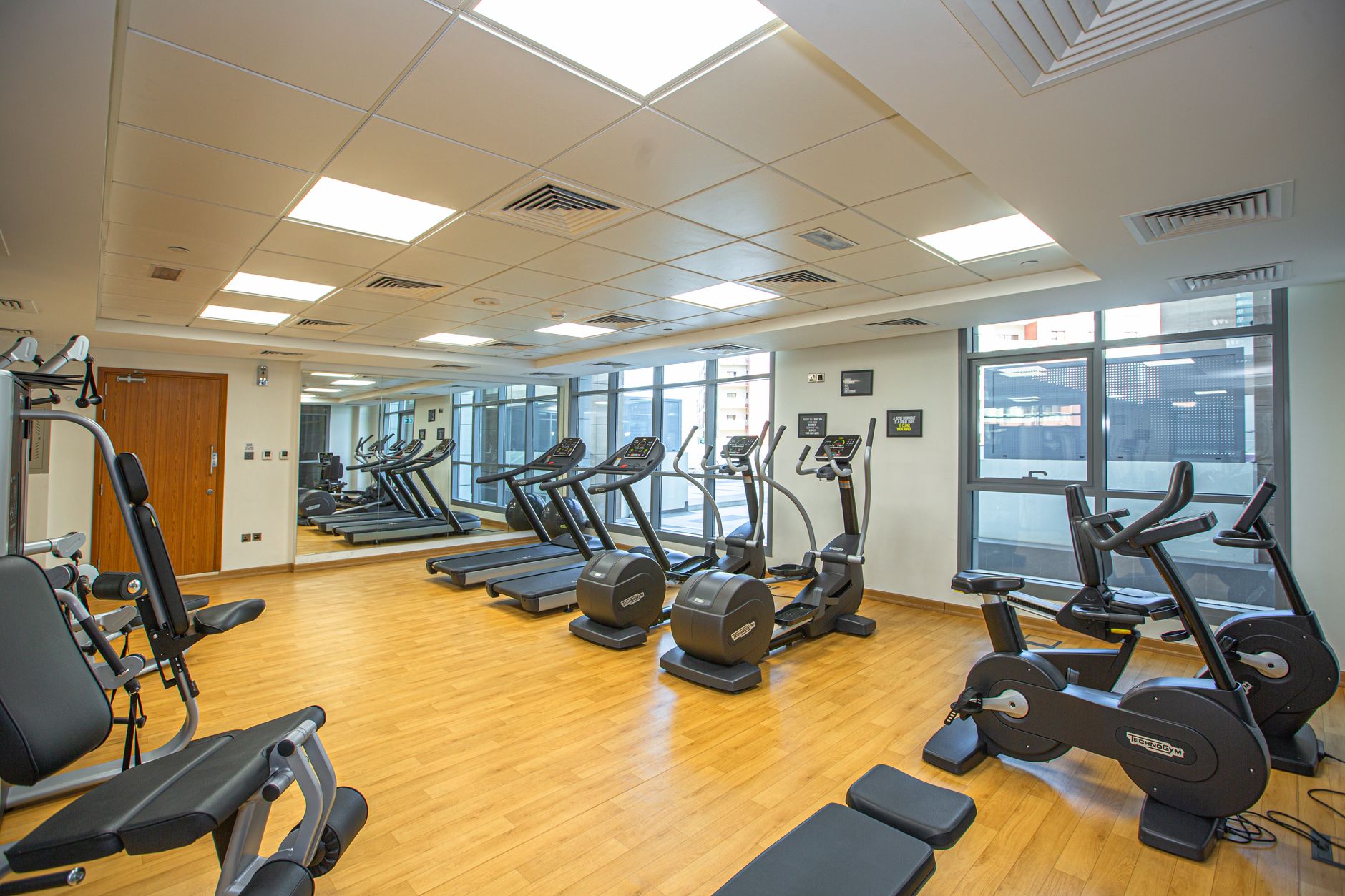
For example, a condo gym may need a smaller selection focused on compact cardio and multi-use strength machines, while a hotel gym may prioritise easy-to-use equipment with simple instructions. An office fitness room may need a lighter setup for short workouts, while a school may need durable equipment that supports varied age groups and supervised use. If you are comparing categories, a broad product page such as Commercial GYM Equipment can help you review the main options in one place.
Also check equipment dimensions carefully. Measure the usable floor area, then leave room for movement, loading, and safe entry and exit paths. Do not assume every treadmill, rack, or machine will fit the same way, because footprints vary by model. Electrical requirements should also be confirmed early, especially for powered cardio units, so the layout works with the available supply and outlet positions. According to the U.S. Consumer Product Safety Commission, exercise equipment caused an estimated 409,000 emergency department-treated injuries in 2023 (CPSC, 2024).
Supporting items that are often missed
The checklist should also include flooring, storage, cleaning station, and signage. Flooring helps protect the subfloor and supports safer movement; storage keeps accessories organised and reduces clutter; cleaning stations make it easier for users to wipe down equipment; and clear signage helps with usage rules, safety reminders, and house policies.
Installation planning matters too. Confirm delivery access, lift access, doorway widths, and whether equipment needs assembly on site. Maintenance should be planned from the start, including cleaning routines, inspection schedules, and who will handle servicing if a machine needs attention. This is especially important for facilities that expect regular use and want to minimise downtime.
For Malaysian buyers, the most practical approach is to match the equipment list to the space, user profile, and operating team. That is how the provider can build a setup that is useful on day one and easier to manage over time.
Commercial gym essentials: must-have, useful, and optional items
A commercial fitness room needs a clear core first: cardio equipment, strength machines, free weights, and the space systems that support them. After that, you can add convenience items and upgrades based on user volume, budget, and available floor area.

Must-have equipment
For most facilities, the must-have set covers the highest-use training zones: cardio equipment, strength machines, dumbbells, racks, benches, functional training space, flooring, storage, cleaning station, and signage. These are the items that support daily training flow and basic safety, so they should be prioritised before decorative or niche purchases.
| Column | Column |
|---|---|
| Cardio equipment | Treadmills, bikes, rowers, or ellipticals depending on user profile and available electrical requirements. Check equipment dimensions so machines do not block walkways or emergency access. |
| Strength machines | Selectorised machines are useful where guided movement and easier onboarding are important. Confirm installation needs and service access around each unit. |
| Dumbbells | A practical range supports general training without overcommitting floor space. Pair with racks to keep the area tidy and reduce trip hazards. |
| Racks | Use for storage and for organising free weights or accessories. Leave enough clearance for loading, unloading, and user movement. |
| Benches | Flat and adjustable benches are basic commercial gym essentials for pressing, rowing, and accessory work. |
| Functional training | Open space for cable work, bodyweight exercise, kettlebells, and mobility drills helps the room serve more users. |
| Flooring | Rubber flooring or other suitable surfaces help define the training zone and protect the subfloor. |
| Storage | Shelving, trees, or wall-mounted storage keep accessories visible and accessible. |
| Cleaning station | A wipe-down point with paper towels and disinfectant supports routine hygiene. |
| Signage | Simple rules, usage guidance, and safety reminders help users understand expectations quickly. |
Useful additions
Useful additions improve training variety and comfort without being the first items to buy. This is where a Commercial GYM Equipment page can help buyers compare categories before committing to a final layout. Common examples include extra benches, more specialised free-weight options, stretching aids, and additional storage for smaller accessories.
These items are worth considering when the facility expects regular traffic, mixed user abilities, or longer operating hours. They can also help separate training zones more clearly, which is helpful in condo, hotel, office, and school settings where space is shared.
Optional upgrades
Optional upgrades are the finishing layer. They may include premium cardio models, advanced functional training stations, branded storage solutions, or more specialised strength machines for targeted programmes. These are best added after the core layout is confirmed, because they should support the user base rather than crowd it.
In practice, the right mix depends on equipment dimensions, electrical requirements, installation access, and maintenance planning. A machine may look suitable on paper but still be impractical if the doorway is too tight, the power point is too far away, or servicing access is limited. For Malaysia-based buyers, the safest approach is to treat optional items as phase-two purchases after the main room is operational.
How does the checklist change by facility type?
The core categories stay similar, but the mix changes based on user volume, space, supervision, and operating hours. A commercial gym needs a broader range of commercial gym essentials, while a condo, hotel, office, or school usually needs fewer units, simpler controls, and stronger attention to access, safety, and upkeep.
Commercial gyms
- Cardio equipment: treadmills, cross-trainers, bikes, and rowers for varied training demand.
- Strength machines: a balanced mix of selectorised stations, plate-loaded pieces, and cable options.
- Dumbbells, racks, benches, and functional training areas for free-weight and conditioning work.
- Flooring, storage, cleaning station, and signage to support traffic flow and daily operations.
- Equipment dimensions and electrical requirements should be checked against the room plan before ordering.
- Installation and maintenance planning matter more here because usage is higher and downtime affects members quickly.
Condominiums
- Keep the mix compact: one or two cardio units, a small dumbbell range, one adjustable bench, and a basic functional training zone.
- Prioritise durable flooring, clear signage, and storage for small accessories.
- Access routes are important because lifts, corridors, and door widths can affect delivery and setup.
- A condo room should feel easy to use for residents with mixed fitness levels, not overloaded with too many stations.
Hotels
- Choose low-maintenance cardio equipment, a few strength machines, and a tidy free-weight corner.
- Add storage and cleaning station items that make housekeeping easier between guest uses.
- Equipment dimensions should fit a compact guest room without blocking circulation.
- Electrical requirements and installation access should be confirmed early, especially in retrofit projects.
Offices
- Focus on fast, simple training: cardio, a few strength machines, dumbbells, and functional training tools.
- The layout should support short workout sessions and easy supervision.
- Flooring and signage help create a professional, safe environment.
- For a more detailed workplace layout, see Office Gym Setup: Best Commercial Equipment Guide.
Schools
- Schools need the safest and simplest setup: durable cardio pieces, basic strength machines, light free weights, and functional training stations.
- Storage should be lockable or clearly organised to manage shared use.
- Flooring, signage, and cleaning station planning are especially important because student traffic is usually higher and less predictable.
- Maintenance planning should be straightforward so the provider can keep equipment in service with minimal disruption.
In short, the checklist changes by who will use the room, how often, and how much supervision is available. That is why Desire Gym helps buyers match the equipment mix to the site, then add items with confidence through add to cart or WhatsApp to know more.
What space, power, and access checks should you make before buying?
Check the room first, then match the equipment to the actual site conditions. A good pre-purchase review helps the team avoid tight walkways, blocked doors, and power problems that delay installation.
Equipment dimensions and layout
Start by measuring the usable floor area, not just the room size. Leave clear circulation space around cardio equipment, strength machines, dumbbells, racks, benches, and functional training zones so users can move safely and staff can clean and inspect the area.
- Measure wall-to-wall space, ceiling height, door width, and any fixed obstacles such as columns, low beams, mirrors, or built-in cabinets.
- Mark where each item will sit, then check how much room is needed for movement, loading, and maintenance access. This matters for equipment dimensions, especially in compact condo, hotel, office, and school rooms.
- Plan the layout around user flow: entry, warm-up area, main training area, storage, and cleaning station. If the room is for office use, Office Gym Setup: Best Commercial Equipment Guide can help narrow the equipment mix.
- Confirm floor loading and surface protection needs before finalising the order, especially where heavier racks or multiple stations will be installed.
- Check whether the equipment can be assembled inside the room or whether parts must be brought in separately. This affects installation planning and delivery timing.
Electrical requirements and access routes
Power and access are just as important as the equipment list. Some cardio units and other powered machines may need dedicated outlets, while the room itself should allow easy entry for delivery teams and future servicing.
- Confirm outlet locations, circuit capacity, and whether any equipment needs a dedicated electrical line before purchase. Do not assume the existing sockets are enough.
- Check the route from loading area to gym space: lifts, stair turns, corridor width, and door swing all affect delivery.
- Review access restrictions for condo, hotel, office, and school buildings, including booking windows, security rules, and service lift availability.
- Ask how the equipment will be installed, tested, and handed over, then align that with your maintenance plan so future servicing stays simple.
- If the room has limited access, choose items that can be moved in sections or assembled on site to reduce disruption.
A careful space-and-access review makes the purchase smoother, safer, and more practical for the long term.
How should you plan installation and maintenance after purchase?
Plan installation before delivery, then set a simple maintenance routine from day one. This keeps the gym safer, reduces downtime, and helps the equipment last longer.
Installation planning
What should be confirmed before installation starts?
The team should confirm equipment dimensions, clearances, access paths, and where each item will be placed in the room. This includes checking whether doors, lifts, corners, and service routes can handle the move-in process without damage or delays.
What should be checked for powered equipment?
Review electrical requirements for each powered unit before purchase, including outlet position and circuit capacity. Do not assume every cardio machine can run from the same point, especially in a condo, hotel, office, or school setting where building rules may also affect setup.
Who should handle assembly and handover?
Use a trained installer or authorised team for assembly, levelling, anchoring where needed, and basic testing. Ask for a handover that explains operation, safety points, and any first-use checks so the fitness centre can start with confidence.
For larger sites, break installation into zones: cardio equipment first, then strength machines, followed by dumbbells, racks, benches, and functional training areas. This makes supervision easier and helps the room open in a controlled way. It also gives the team time to verify flooring protection, storage placement, and signage before members begin using the space. A practical setup plan should also include a buffer for replacement parts, because some items may need minor adjustment after the first week of use.
Cleaning and maintenance routine
How often should cleaning be done?
Wipe high-touch surfaces daily, including handles, seats, benches, and touchscreens. Floors around free weights and racks should be swept or mopped regularly to reduce dust and sweat buildup.
What maintenance tasks should be scheduled?
Create a weekly and monthly schedule for bolt checks, cable inspection, belt alignment, upholstery condition, and any moving parts that need lubrication. Keep a log so the gym can track wear before it becomes a bigger issue. The Gym Equipment Maintenance Checklist Malaysia can help the team structure this process.
What else should be included in the upkeep plan?
Keep cleaning station supplies stocked, replace worn labels or signage, and review storage areas so plates, mats, and accessories stay organised. If the room serves a condo, hotel, office, or school, assign a clear staff contact for reporting faults and booking service visits.
A simple, documented routine is usually enough to keep a commercial gym running smoothly. For a practical range of equipment, installation support, and after-sales guidance, Desire Gym can help you choose the right setup and add to cart or WhatsApp to know more.
Frequently Asked Questions
What should be included in a commercial gym equipment checklist?
What is the difference between must-have, useful, and optional gym equipment?
How do I choose the right equipment mix for a condo, hotel, office, or school gym?
What space and setup checks should I do before ordering gym equipment?
Why are installation and maintenance planning important in a gym checklist?
References
- American College of Sports Medicine. *ACSM’s Health/Fitness Facility Standards and Guidelines* — American College of Sports Medicine. *ACSM’s Health/Fitness Facility Standards and Guidelines*
- National Strength and Conditioning Association. *NSCA Safety Checklist for Exercise Facility and Equipment Maintenance* — National Strength and Conditioning Association. *NSCA Safety Checklist for Exercise Facility and Equipment Maintenance*
- National Strength and Conditioning Association. *NSCA Strength and Conditioning Professional Standards and Guidelines* — National Strength and Conditioning Association. *NSCA Strength and Conditioning Professional Standards and Guidelines*
- American College of Sports Medicine. *A Guide to Selecting the Right Fitness Facility for You* — American College of Sports Medicine. *A Guide to Selecting the Right Fitness Facility for You*