Commercial Gym Maintenance Plan Malaysia: What Should Be Included?
Commercial gym maintenance Malaysia should include an equipment asset register, routine inspection, fault reporting, repair workflows, spare parts tracking, service history records, downtime monitorin
Quick answer
Commercial gym maintenance Malaysia should include an equipment asset register, routine inspection, fault reporting, repair workflows, spare parts tracking, service history records, downtime monitoring, and replacement planning. A practical gym equipment maintenance plan helps facility managers keep hotel gym, condo gym, and commercial gym equipment organised, serviced, and ready for safe daily use.
Key Takeaways
- Keep a central equipment asset register for every machine and accessory.
- Use scheduled inspection and fault reporting to catch issues early.
- Track repairs, spare parts, and service history for better planning.
- Include downtime review and replacement planning in the maintenance plan.
A good maintenance plan is more than a checklist of cleaning tasks; it is a working system for keeping gym assets organised and accountable. This guide explains what Malaysian facility managers should include in a practical commercial gym maintenance plan, from inspection routines and fault reporting to repair records, spare parts control, service history, downtime tracking, and replacement planning. It is written for hotel gym, condo gym, and commercial gym operators who need a clear, procurement-friendly framework. DesireGYM supports this approach with practical equipment planning and service-focused guidance for local buyers.
What Should a Commercial Gym Maintenance Plan Include?
A strong maintenance plan sets out what is inspected, who is responsible, what gets recorded, and when equipment must be repaired or removed from service. For commercial gym maintenance Malaysia, the plan should be simple enough for a facility manager to run consistently, yet detailed enough to support safety, budgeting, and replacement planning.
Core documents
Start with a clear equipment asset register listing every machine, rack, bench, and major accessory. Each item should have a unique ID, location, purchase date, warranty details, model reference, and service history so the team can trace issues quickly. Add a fault log, inspection checklist, repair record, and spare parts record. A 2023 survey by IFMA found that 62% of facilities managers use preventive maintenance systems to reduce operational disruption (IFMA, 2023), which shows why documentation matters.
The register should also note whether the asset belongs to a hotel gym, condo gym, or commercial gym area, because usage levels and access control affect maintenance planning. For example, high-traffic cardio machines may need closer monitoring than low-use strength stations. The plan should also include downtime tracking, so the team can see which items repeatedly disrupt operations and which assets are becoming costly to maintain. If a site needs ongoing support, Gym Equipment Maintenance Service can help turn the plan into a practical service workflow.
Operating responsibilities
Assign inspection and fault-reporting duties clearly. The facility manager should oversee the programme, while frontline staff should carry out basic visual checks, note abnormal noise or movement, and report defects immediately. Maintenance contractors or in-house technicians should handle technical diagnosis, repair, and spare parts replacement. The key is accountability: one person reports, one person approves, and one person closes the job with a service record.
The plan should separate preventive servicing from reactive repair. Preventive servicing covers planned checks, lubrication, calibration, tightening, and wear review before failure occurs. Reactive repair happens after a fault is detected. In a busy gym, both are needed, but preventive work usually costs less to manage than repeated breakdown response because it is scheduled around operations.
Decision rules
The plan must define fault priority and removal rules. If a machine has unstable movement, exposed wiring, braking issues, or structural damage, it should be taken out of use until checked and repaired. Minor cosmetic issues can be logged, but functional or safety-related faults need immediate action.
Include repair versus replace decision planning for older assets. If a unit has repeated breakdowns, long downtime, or spare parts that are difficult to source, replacement may be more practical than another repair. Keep service history, part costs, and downtime data together so purchasing decisions are based on evidence, not guesswork. For Malaysian operators, that is the most reliable way to keep equipment available, support safer use, and control long-term budget pressure.
How Do You Build an Equipment Asset Register for a Commercial Gym?
Build it as a live inventory of every machine, not as a one-time spreadsheet. A strong asset register lets the facility manager track ownership, maintenance history, downtime, and replacement timing in one place, which is essential for hotels, condo gyms, and larger fitness centres.
What to record
Start with the minimum data needed to support a practical gym equipment maintenance plan. Each item should have a unique ID, exact location, model details, purchase date, supplier, warranty status, current condition, service notes, spare parts used, and last inspection date. Add a short fault log so the team can see whether a problem is recurring or isolated.
| Register field | What it should capture | Why it matters |
|---|---|---|
| Asset ID | Unique code for each unit | Avoids confusion during inspection and repair |
| Location | Room, zone, or floor area | Speeds up fault reporting and servicing |
| Purchase details | Model, supplier, date bought | Supports warranty checks and procurement planning |
| Service history | Dates, findings, repairs, parts used | Shows repeat issues and maintenance patterns |
| Spare parts | Critical parts on hand or needed | Helps reduce waiting time for common repairs |
| Current status | Working, under review, out of use | Keeps users away from unsafe or faulty equipment |
For larger sites, include photos of each asset plate and a short note on the machine’s role in the facility. If the team is comparing equipment formats or buying spares, Commercial GYM Equipment can help them assess options before ordering.
How to organise equipment by zone
Group items by training area: cardio, strength, free weights, functional training, and support spaces. This makes inspection faster because staff can walk the site in a fixed route instead of checking randomly. It also helps the provider compare usage intensity across zones, which is useful when prioritising higher-wear machines first.
For example, a hotel gym may need a simpler register with fewer units, while a condo gym may have shared-use machines that require closer status tracking because multiple residents use the same equipment daily. Zone-based organisation also makes it easier to link faults to location-specific issues such as humidity, floor vibration, or poor ventilation.
Keeping records current
Update the register after every inspection, repair, or part change. The team should not wait until month-end if a machine is removed from use, because live records support faster decisions on downtime and replacement planning. A quick digital log with dates, fault notes, and sign-off fields is usually enough.
To keep the system reliable, assign one person to update entries and one person to verify them. That simple habit helps the register stay accurate, supports better purchasing decisions, and gives the gym a clear service history that is easy to review when the next fault appears.
Inspection, Fault Reporting, and Service History: Who Should Be Responsible?
The responsibility should be shared, but it must be clearly assigned. In a well-run gym maintenance plan, daily users, the facility manager, and the service team each have a specific role so faults are noticed early, reported properly, and recorded for future action.
Daily user checks
Front-of-house staff, attendants, or duty personnel should do simple opening checks before members enter the floor. Their job is not technical repair; it is to confirm basic safety, cleanliness, and visible condition. This includes checking for loose cables, unusual noise, missing pins, torn upholstery, unstable frames, and warning labels that are damaged or unreadable.
- Start with a quick walk-through before peak hours.
- Test only the basic function needed to confirm safe use.
- Record any issue immediately, even if it looks minor.
- Mark the machine out of use if the defect affects safety or normal operation.
- Pass the report to the facility manager without delay.
staff reporting broken gym machine This front-line step matters because member-reported problems can be delayed or inconsistent. A simple daily checklist, supported by Gym Equipment Maintenance Checklist Malaysia, helps keep reporting consistent across hotel gym and condo gym settings where staff may rotate often.
Facility manager inspections
The facility manager should review the log, confirm the fault priority, and decide whether the item needs preventive servicing, repair, or temporary removal from use. A clear inspection routine also helps compare current condition with the equipment asset register and service history, so recurring issues are easier to spot.
The manager should document the date, machine ID, observed fault, action taken, and the person responsible for follow-up. This creates a reliable service history that supports repair versus replace planning later. If the same fault keeps returning, that pattern is important evidence for procurement decisions and replacement planning.
Escalation and reporting
Escalation should be fast and structured. The goal is to move from observation to action without confusion.
- Log the fault with machine name, location, and urgency level.
- Assign the issue to the correct service contact or internal technician.
- Record whether the unit is safe to isolate, repair, or hold for parts.
- Track downtime until the machine returns to service.
- Update the service history after the work is completed, including any spare parts used.

For the team at DesireGYM, this process should stay practical and easy to maintain. A good system does not need to be complicated; it only needs to be followed consistently so the right people act at the right time.
Preventive Maintenance vs Reactive Repair: What Is the Difference?
Preventive maintenance is planned servicing done before a fault becomes serious, while reactive repair happens after a breakdown or visible problem appears. A good gym equipment maintenance plan uses both, but it should rely more heavily on preventive work because that gives the facility manager better control over cost, safety, and downtime.
Why preventive maintenance matters
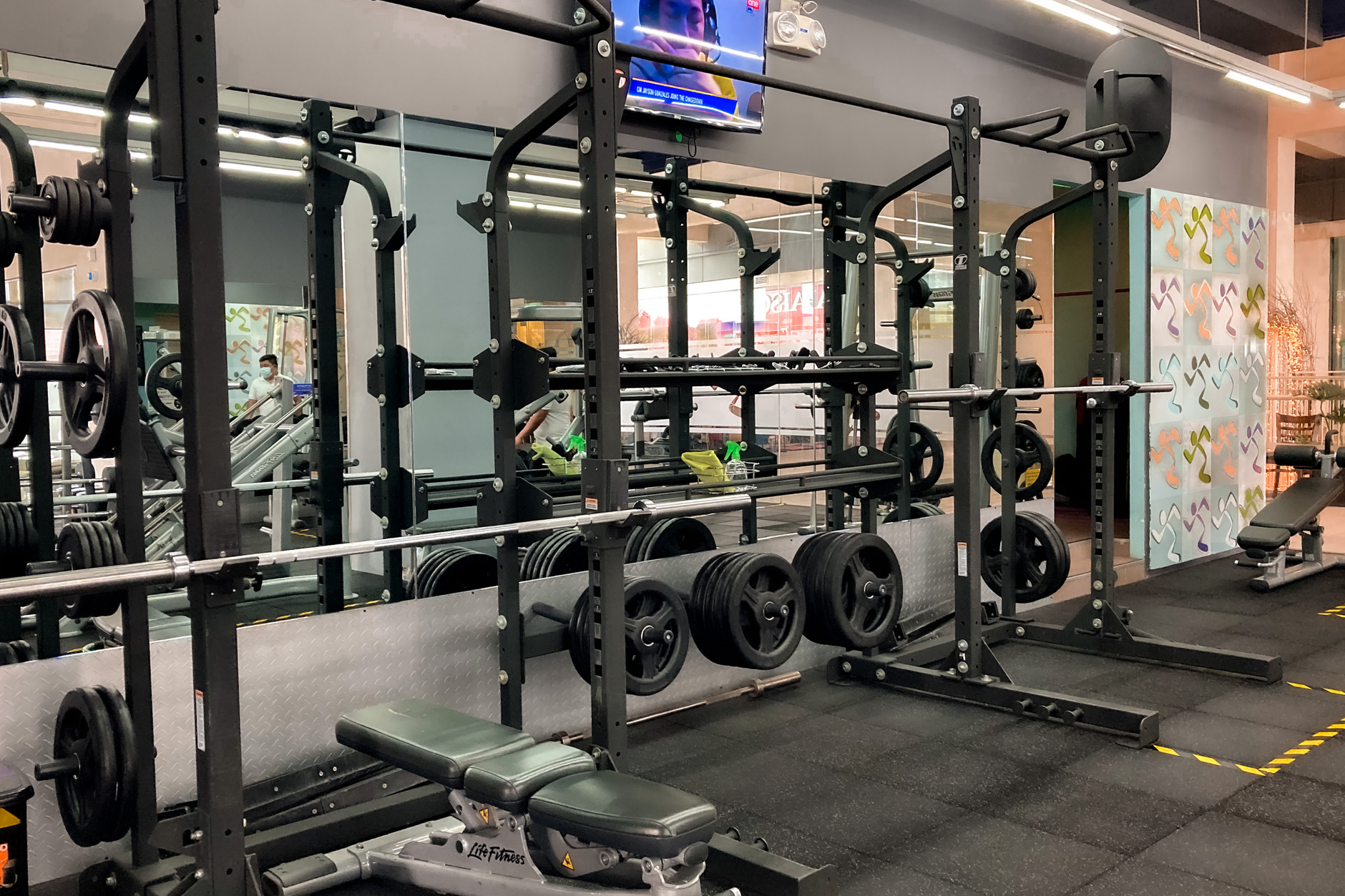
Preventive servicing focuses on routine checks, cleaning, lubrication, tightening, calibration, and small part replacement before failure occurs. It is especially useful in high-use areas such as a hotel gym or condo gym, where equipment may be used throughout the day by many different users. In those environments, small issues can become costly interruptions if they are ignored.
| Comparison point | Preventive maintenance | Reactive repair |
|---|---|---|
| Purpose | Prevent wear, detect early warning signs, and keep equipment in working order | Fix a problem after a fault, stoppage, or visible damage |
| Timing | Scheduled in advance based on usage, condition, and service history | Triggered only when equipment fails or shows a serious issue |
| Documentation | Recorded in the equipment asset register, inspection log, and service history | Usually starts with fault reporting and then repair notes |
| Cost control | Helps plan labour, spare parts, and replacement planning more predictably | Can create unplanned costs, emergency call-outs, and longer downtime |
| Operational impact | Reduces disruption and supports more stable facility planning | May take equipment out of use immediately and affect member experience |
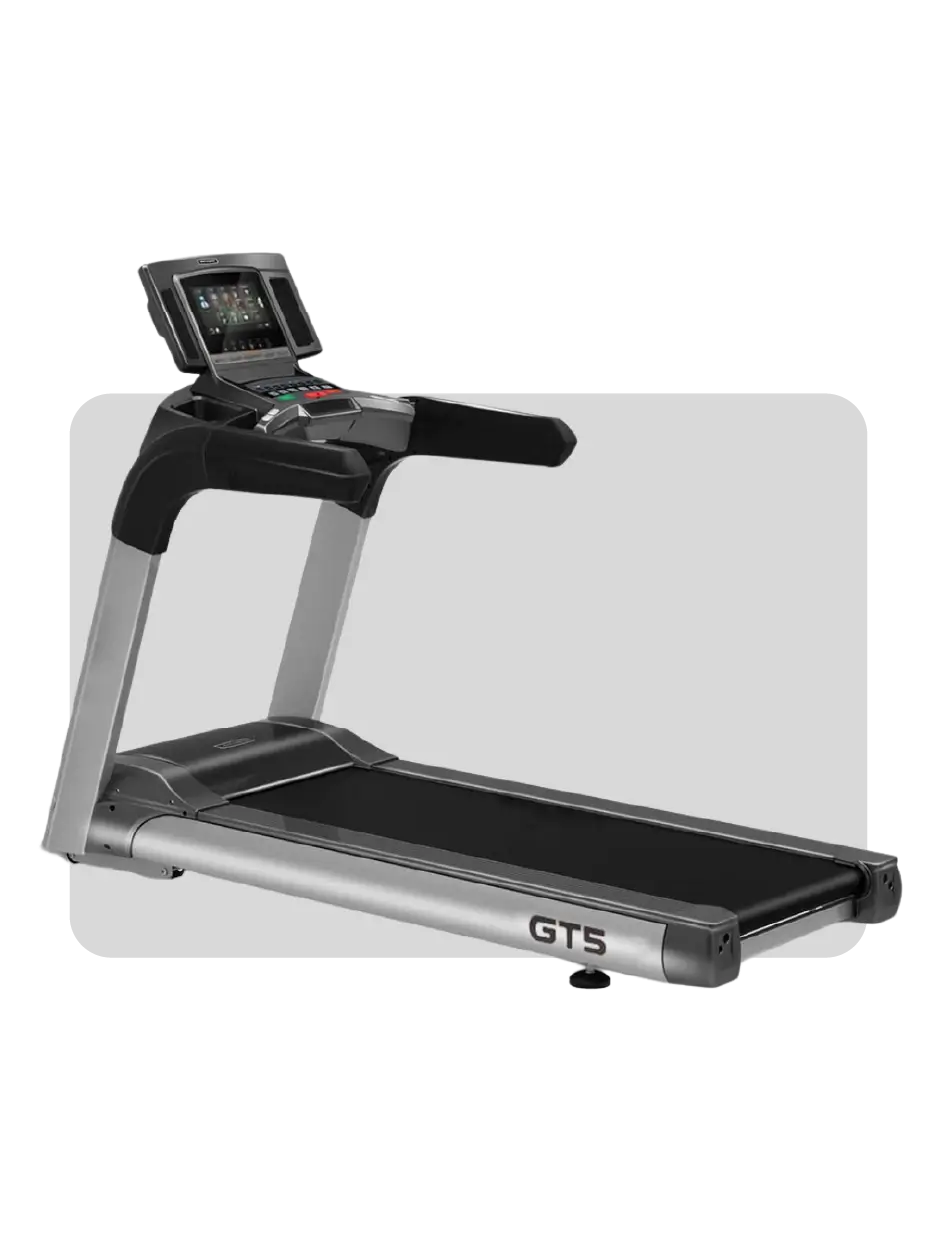
For the team at DesireGYM, this approach is practical because it helps the gym spot recurring wear patterns early. A belt that slips, a cable that frays, or a treadmill that vibrates abnormally can often be addressed before the fault spreads to other parts. That means fewer emergency interventions and better use of spare parts.
When reactive repair is unavoidable
Reactive repair is sometimes necessary when a machine suddenly stops working, when a safety-related fault appears, or when damage is severe enough that the unit should be isolated. In these cases, the equipment should be taken out of use until the issue is assessed. If the fault affects structural stability, moving parts, electrical safety, or user control, the machine should not remain available for training. For repair escalation, Gym Equipment Repair Service can be used as the next step.
Reactive repair is also common when a spare part is not immediately available or when the full cause of the fault must be diagnosed on site. Even then, the issue should be logged properly so the service history stays complete.
How to decide priority
Priority should be based on safety, usage volume, and business impact. A machine with a minor cosmetic issue may wait, but a fault that affects braking, resistance, or emergency stop function should move to the top of the queue. The facility manager should classify each case clearly so the team knows whether the item stays in service, is restricted, or is removed from the floor.
A simple rule is to ask: does this fault affect safe use, customer experience, or the chance of more damage if left alone? If the answer is yes, the repair should be treated as urgent and tracked until closure.
How Should You Track Downtime, Spare Parts, and Replacement Planning?
A good gym equipment maintenance plan should track each fault from the moment it is reported until the final fix or replacement decision. This gives the facility manager a clear view of risk, cost, and equipment availability across the hotel gym, condo gym, or larger fitness floor.
Fault priority levels
Set clear priority levels so the team can respond consistently. For example, high priority should cover faults that affect braking, resistance, safety locks, electrical functions, or stable movement. Medium priority can cover wear that affects performance but does not create immediate danger. Low priority can cover cosmetic issues or minor finishing defects.
A simple way to manage this is to log the issue, assign a priority, and record the action date. This helps the gym see which items need urgent attention and which can wait for planned servicing. It also supports better procurement because repeated faults often point to a deeper pattern in the asset register.
When to take equipment out of use
Equipment should be removed from the floor when the fault may affect safe operation, user control, or the chance of further damage. If the machine needs reactive repair, the issue should be escalated through Gym Equipment Repair Service and kept out of service until it is checked and cleared.
Track the following items in a simple register:
- downtime start and end date
- machine ID and location
- spare parts required
- repair date and technician notes
- service history for repeated faults
- replacement triggers such as repeated breakdowns or rising repair cost
Clear downtime records also help the team understand whether a problem is isolated or part of a wider trend. For example, if the same unit keeps failing after several repairs, the record should show that pattern instead of treating each incident as separate.
Repair or replace decision
Replacement planning should be based on repair cost, fault frequency, and business impact. If one unit keeps returning to service with the same fault, the team should compare the next repair cost against the value of replacing it. A machine with recurring parts shortages, long downtime, or poor user demand may be a stronger replacement candidate than a unit with one simple repair.
The goal is not just to fix the immediate issue, but to protect equipment availability and spending over time. DesireGYM can help the gym choose suitable replacements and support purchases with practical product guidance, so the team can add to cart or WhatsApp to know more when planning the next step.
Frequently Asked Questions
What should a commercial gym maintenance plan include?
How do I create an equipment asset register for a gym?
When should gym equipment be taken out of use?
What is the difference between preventive servicing and reactive repair?
How do I decide whether to repair or replace gym equipment?
References
- Occupational Safety and Health Act 1994 (Reprint Version 1.6.2024) — Occupational Safety and Health Act 1994 (Reprint Version 1.6.2024)
- Department of Occupational Safety and Health Malaysia (DOSH) — FAQs / Occupational Safety and Health guidance — Department of Occupational Safety and Health Malaysia (DOSH) — FAQs / Occupational Safety and Health guidance
- ACSM’s Health/Fitness Facility Standards and Guidelines — ACSM’s Health/Fitness Facility Standards and Guidelines
- NSCA Safety Checklist for Exercise Facility and Equipment Maintenance — NSCA Safety Checklist for Exercise Facility and Equipment Maintenance
- Life Fitness Commercial Fitness Solutions — Life Fitness Commercial Fitness Solutions