Condominium Gym Planning Guide for JMB, MC and Property Managers in Malaysia
Condominium gym setup Malaysia should start with resident demographics, shared facility goals, budget, procurement process, and building access requirements, then match equipment to usage levels, nois
Quick answer
Condominium gym setup Malaysia should start with resident demographics, shared facility goals, budget, procurement process, and building access requirements, then match equipment to usage levels, noise and vibration limits, and long-term maintenance needs. A practical plan helps JMB, MC, developers, and property managers choose reliable equipment, reduce upkeep issues, and prepare for lifecycle replacement.
Key Takeaways
- Start with resident demographics and expected usage before choosing equipment.
- Plan the shared facility layout around noise and vibration control, access, and maintenance.
- Match the equipment mix to budget, procurement needs, and the building’s long-term lifecycle.
- Use a clear service log and replacement plan to keep the gym functional and easy to manage.
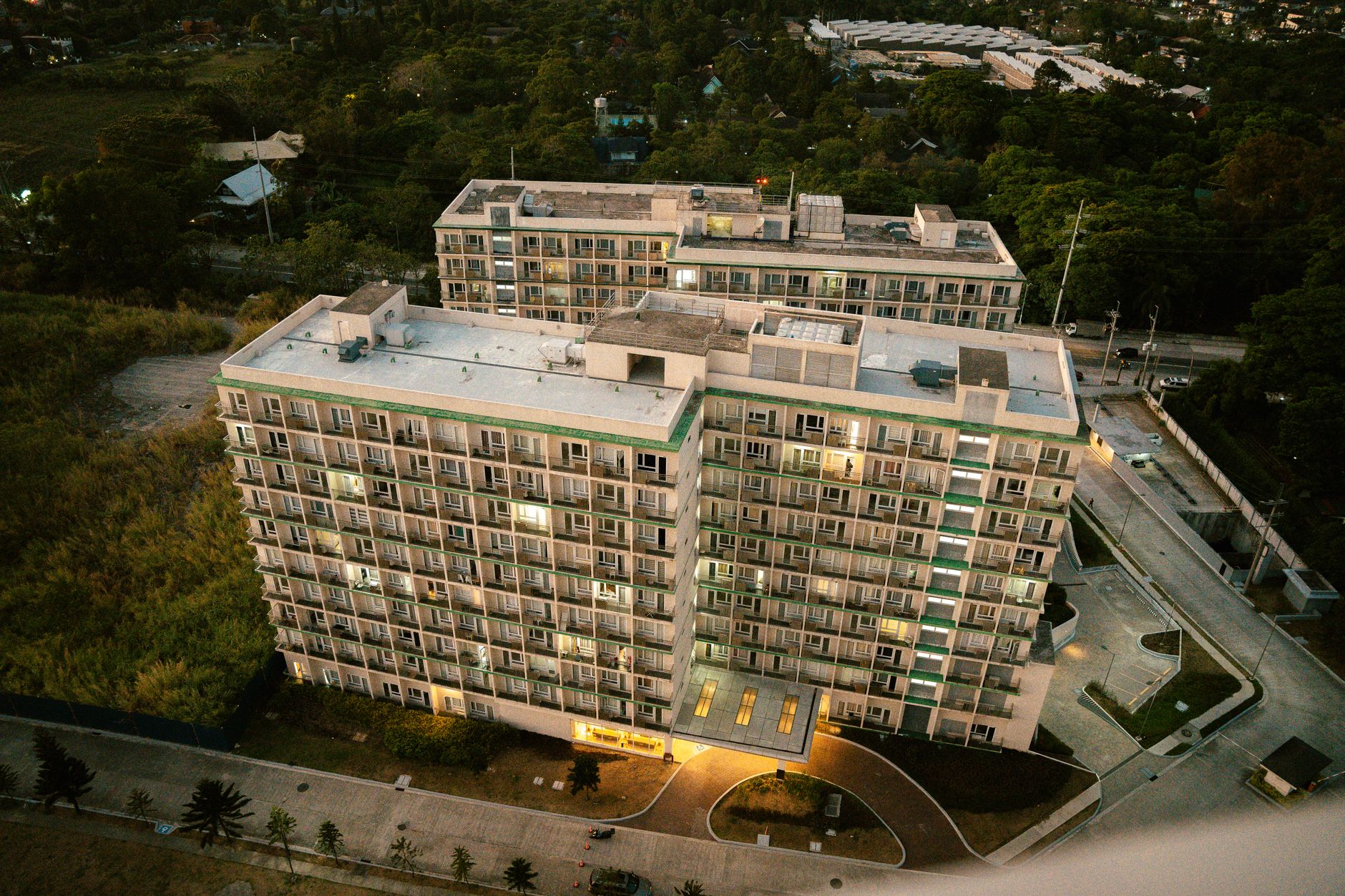
This guide gives JMB, MC, developers, and property managers a practical framework for planning a shared condominium gym in Malaysia. It explains how to choose the right equipment mix, manage budget and procurement, and design an apartment gym layout that suits resident demographics, building access, and long-term maintenance needs. It also shows how DesireGYM can support a more reliable and service-friendly facility plan.
What should JMB, MC and property managers plan first for a condominium gym?
Start with the project scope, the people who will use the shared facility, and the operating limits of the building. For a condominium gym setup Malaysia, this means defining who will manage the space, what level of equipment is suitable, and how the gym will fit the building’s access, maintenance, and budget realities.

Define the project scope
Before comparing machines, JMB, MC, developer, and property manager should agree on the gym’s purpose. Is it meant for light daily use, a broader resident wellness space, or a compact amenity for mixed-age households? That decision affects floor area, equipment count, storage needs, and the level of supervision required.
A clear scope also helps avoid overbuying. A small shared facility does not need a full commercial lineup if most residents prefer basic cardio and strength training. It is better to plan a balanced layout that supports common use patterns than to crowd the room with too many units. If you need a deeper equipment-selection reference, see The Ultimate Guide to Choosing Condo GYM Equipment for Developers.
Clarify each stakeholder’s role
JMB and MC usually focus on resident needs, budget approval, and long-term upkeep. The developer may be involved during handover or early fit-out, while the property manager typically coordinates site checks, vendor communication, and day-to-day operations. A condo gym equipment supplier should support this process with practical options, quotation breakdowns, and after-sales service details.
This is also where resident demographics matter. A building with young working adults may need more cardio and compact strength stations, while a family-oriented block may need simpler, lower-risk equipment. Older residents may prefer low-impact options and clear circulation space. These choices should be based on likely usage, not assumptions.
Set the planning timeline
A good timeline starts with a site walk, then moves to budget planning, quotation comparison, and layout confirmation. Allow time to check building access, lift size, delivery routes, and installation constraints before purchase. Noise and vibration should be reviewed early as well, especially for upper floors or spaces near homes and common areas.
Plan for maintenance from the start: ask how faults will be reported, who keeps the service log, and when lifecycle replacement may be needed. The goal is a gym that stays functional, traceable, and easy to manage over time. For DesireGYM, that means helping the team choose equipment with realistic upkeep needs and a procurement process that is straightforward and service-friendly.
How do resident demographics shape the right equipment mix?
Resident demographics should guide the equipment mix because a shared gym works best when it matches who will actually use it, how often they will use it, and how comfortable they are with different machines. In a condominium gym setup Malaysia, the right selection is usually less about having more items and more about choosing the right balance for the building.
Age and fitness level mix
A younger, active resident base often responds well to a broader mix of cardio and strength options, while mixed-age communities usually need more beginner-friendly and low-impact choices. A practical apartment gym design should also consider first-time users, seniors, and residents returning to exercise after a long break.
| Resident profile | Suitable equipment categories |
|---|---|
| Young working adults | Treadmill, upright bike, rower, adjustable dumbbells, cable station |
| Mixed-age households | Elliptical, recumbent bike, guided strength machines, mats, mobility tools |
| Older residents | Recumbent bike, seated strength machines, balance aids, stretching area |
| Beginners | Simple cardio consoles, selectorised machines, light free weights, clear instruction signage |
For a shared facility, the goal is to reduce intimidation and improve usability. That often means choosing machines with clear controls, stable movement, and easy entry and exit. It also helps to provide at least one lower-impact option for residents who cannot tolerate high-jump or high-speed routines.
Home-use vs shared-facility needs
Equipment for a shared facility should be more durable and easier to supervise than home-use products, especially when usage is spread across many residents. A condo gym equipment supplier should therefore recommend models that suit repeated use, easier cleaning, and straightforward servicing. For heavier-use environments, readers can compare commercial-grade options in Commercial GYM Equipment.

Balancing cardio, strength and accessory zones
A balanced mix usually starts with cardio for broad appeal, then adds strength equipment that supports both beginners and regular users. Accessory zones can include stretching mats, foam rollers, benches, and light functional tools so residents can warm up and cool down properly.
| Equipment area | What it supports |
|---|---|
| Cardio zone | General fitness, fat-loss programmes, warm-up use |
| Strength zone | Muscle maintenance, functional training, progressive loading |
| Accessory zone | Mobility, recovery, stretching, bodyweight work |
The best mix also reflects resident demographics and expected peak times. If the building has many office workers, compact cardio and fast-turnover stations may be more practical. If families or older residents make up a larger share, simpler machines and safer movement patterns are usually a better fit. For DesireGYM, the most useful approach is to match the shared facility to real resident demand, not to copy a one-size-fits-all package.
How to compare budget, quotations and procurement options
A good procurement plan starts with a clear needs list and a side-by-side quotation review. For a condominium gym setup Malaysia project, the goal is not to choose the cheapest offer, but to select the option that fits the shared facility, the building’s access conditions, and the long-term maintenance plan.
What to include in a quotation request
- List the equipment categories needed, such as cardio, strength, and accessory items, instead of asking for a random bundle.
- State the room size, floor level, lift access, delivery route, and any access restrictions for the building.
- Ask for itemised pricing, including delivery, installation, assembly, and any required site preparation.
- Request warranty terms, spare parts support, and basic service log templates so the team can track upkeep properly.
- If the layout is still being refined, ask the provider to include an apartment gym design note or placement suggestion in the quotation.
- For projects that need installation support, Our Services can help the team align equipment selection with delivery and setup planning.
How to compare value beyond price
A lower price may look attractive, but the quotation should also show what is included for the full lifecycle of the equipment. Compare build quality, after-sales response time, spare parts availability, and whether the supplier can support phased replacement later. The World Health Organization recommends 150–300 minutes of moderate-intensity physical activity per week for adults (WHO, 2020), so equipment that stays usable and well maintained matters more than a short-term bargain.
When comparing quotations, use a simple checklist:
- Does the supplier understand the role of JMB, MC, developer, and property manager in the approval and procurement flow?
- Are the machines suitable for the resident demographics and likely usage pattern?
- Is there a clear maintenance plan, fault reporting process, and service record format?
- Can the supplier support future upgrades without replacing the whole room at once?
Common procurement mistakes to avoid
- Choosing equipment only by unit price and ignoring installation, access, and maintenance needs.
- Buying too many similar machines and creating congestion in a shared facility.
- Skipping noise and vibration checks, especially for upper floors or sensitive areas.
- Forgetting to plan for lifecycle replacement, which can leave the gym outdated too quickly.
- Comparing quotations without checking whether the same items, quantities, and service terms are actually included.
A balanced procurement process keeps the project practical, affordable, and easier to manage over time. For buyers who want a reliable condo gym equipment supplier, the best next step is usually to shortlist two or three complete proposals, then compare them on value, support, and long-term fit rather than price alone. DesireGYM can then help the team narrow the final selection with clearer product and service options.
How should maintenance, service logs and lifecycle replacement be planned?
Plan maintenance from day one with simple routines, clear responsibility, and a replacement timeline for each major item. For a condominium gym setup Malaysia project, this keeps the shared facility usable, easier to budget for, and less likely to face sudden downtime.
Routine checks and fault reporting
Start with a weekly visual check and a monthly functional check. The JMB, MC, developer, or property manager should assign one person to confirm that cardio consoles power on, cables are intact, bolts are tight, upholstery is not torn, and safety stops work properly. Faults should be reported the same day through a fixed channel, such as a WhatsApp group, email form, or maintenance book, so the team can act before small issues become bigger repairs.
A practical setup is to label each machine with an asset number and a short reporting note. For example, users can report “Treadmill 03: belt slipping” instead of describing the machine by location. This makes it easier for the condo gym equipment supplier or service team to identify the issue quickly. If a machine is tagged out of service, remove it from use immediately until inspected.
Service log and record keeping
Keep one service log for the whole room, not separate notes scattered across messages. Record the date, asset number, fault found, action taken, spare parts used, technician name, and next follow-up date. This helps the team spot repeat problems, such as the same treadmill needing belt adjustment every few months.
A good log also supports budget planning. If a machine needs frequent repairs, the records will show whether continued servicing still makes sense. Many managers find that a simple spreadsheet is enough, as long as it is updated consistently and shared with the relevant committee or property manager. DesireGYM can help buyers choose equipment that is easier to service and track over time.
Phased replacement strategy
Replacement should be planned in stages, not all at once. Start by ranking equipment by usage, repair frequency, and condition. High-use items such as treadmills or bikes often need earlier replacement than strength machines with fewer moving parts. A practical rule is to review each asset annually and set aside a replacement reserve for the next cycle.
Avoid waiting until multiple machines fail together, because that creates sudden downtime and unplanned spending. Instead, replace one or two worn items each year based on condition and resident demand. This phased approach helps the shared facility stay functional while spreading procurement costs more evenly.

For reliable equipment options, maintenance support, and practical procurement advice, contact DesireGYM to add to cart or WhatsApp to know more.
Frequently Asked Questions
What should JMB, MC and property managers check before starting a condominium gym setup Malaysia?
How do we choose the right gym equipment mix for a condominium gym?
How should budget approval and quotation comparison be handled for a condo gym?
How can a condominium gym reduce noise and vibration issues?
What are the most common mistakes in condominium gym planning and how can they be avoided?
References
- Kementerian Perumahan dan Kerajaan Tempatan (KPKT) — Handbook Pengurusan Strata — Kementerian Perumahan dan Kerajaan Tempatan (KPKT) — Handbook Pengurusan Strata
- Jabatan Keselamatan dan Kesihatan Pekerjaan Malaysia (DOSH) — Occupational Safety and Health Act 1994 (Reprint Version 1.6.2024) — Jabatan Keselamatan dan Kesihatan Pekerjaan Malaysia (DOSH) — Occupational Safety and Health Act 1994 (Reprint Version 1.6.2024)
- Jabatan Keselamatan dan Kesihatan Pekerjaan Malaysia (DOSH) — OSHCIM: Occupational Safety and Health in the Construction Industry (Management) Guidelines — Jabatan Keselamatan dan Kesihatan Pekerjaan Malaysia (DOSH) — OSHCIM: Occupational Safety and Health in the Construction Industry (Management) Guidelines
- Jabatan Bomba dan Penyelamat Malaysia (BOMBA) — Fire Services Act 1988 (Act 341) — Jabatan Bomba dan Penyelamat Malaysia (BOMBA) — Fire Services Act 1988 (Act 341)
- Majlis Bandaraya Seremban (MBS) — Joint Management Body (JMB) — Majlis Bandaraya Seremban (MBS) — Joint Management Body (JMB)