Functional Trainer vs Multi-Gym: Which Is Better for Your Space?
For functional trainer vs multi gym, a functional trainer is usually better if you want more exercise freedom, adjustable pulleys, and coaching-friendly versatility in a smaller footprint, while a mul
Quick answer
For functional trainer vs multi gym, a functional trainer is usually better if you want more exercise freedom, adjustable pulleys, and coaching-friendly versatility in a smaller footprint, while a multi-gym station is better if you want guided stations, simpler movement paths, and a more structured setup for specific users or shared spaces.
Key Takeaways
- A functional trainer offers more cable freedom, while a multi-gym station gives more guided movement.
- Space and user capacity are major deciding factors for home gym, PT studio, condo gym, hotel gym, office, and commercial gym setups.
- Cable setup, adjustable pulleys, and coaching style can affect how easy the equipment is to use and supervise.
- Maintenance needs and long-term practicality matter as much as exercise variety when choosing between both options.
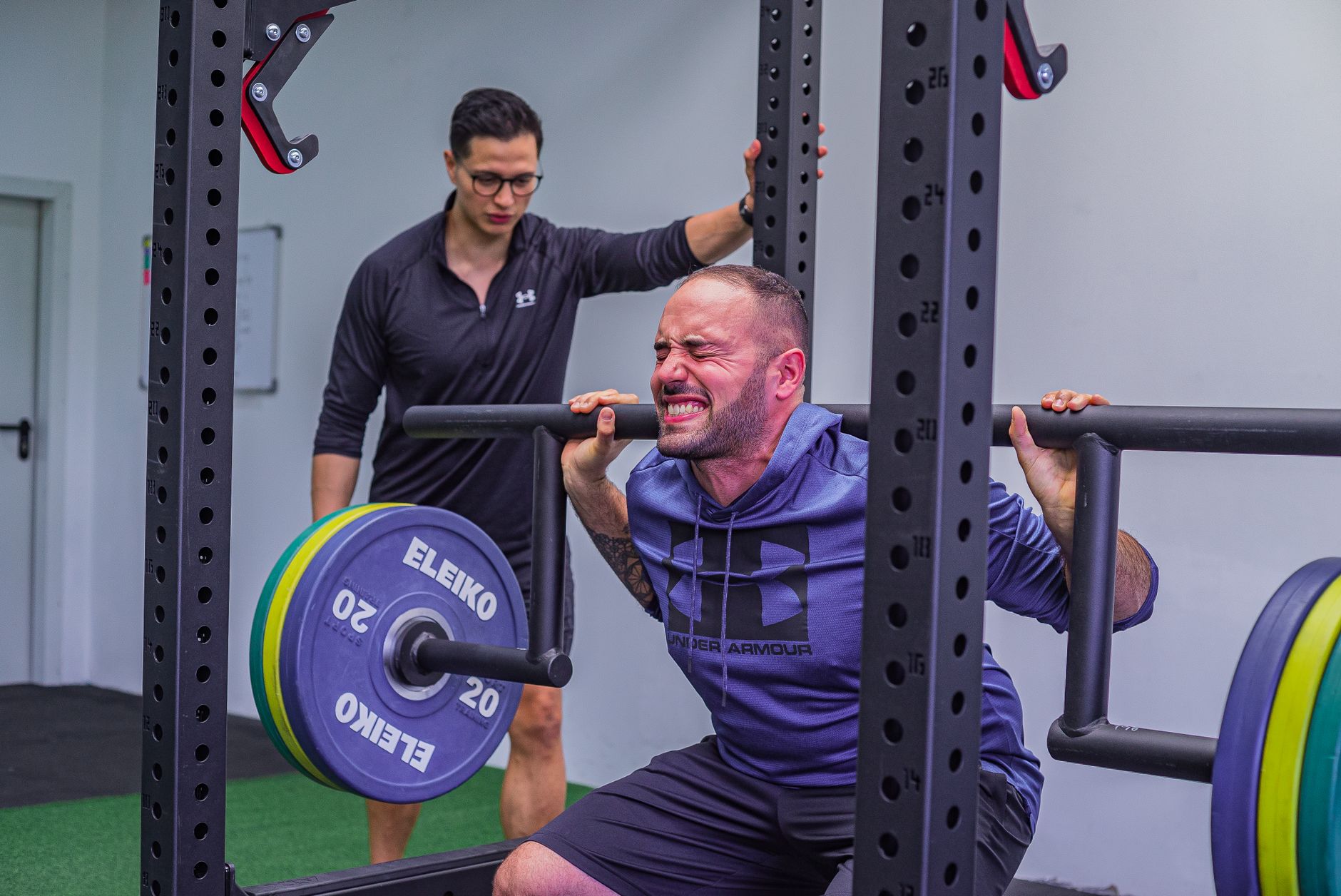
Choosing between a functional trainer vs multi gym depends on how the space will be used, how many users will train at once, and how much coaching support is needed. A functional trainer usually suits buyers who want flexible cable work and adjustable pulleys for a home gym, PT studio, or compact commercial setup, while a multi-gym station is often preferred for more guided stations and straightforward training flow. Desire Gym helps Malaysian buyers compare both options based on footprint, user capacity, maintenance, and real-world suitability before making a purchase.
Functional Trainer vs Multi-Gym: What Is the Direct Difference?
A functional trainer focuses on adjustable cable movement and exercise freedom, while a multi-gym focuses on guided stations with more fixed movement paths. In simple terms, one is built for versatility, and the other is built for structure.

The clearest way to compare functional trainer vs multi gym is by looking at how each machine handles motion and use. A functional trainer usually comes with adjustable pulleys that can be positioned to suit different angles, so users can work through standing, unilateral, rotational, and mixed cable patterns. This makes it easier to adapt for a home gym or PT studio where one machine may need to support many training styles.
A multi-gym station, by contrast, is usually built around guided stations and a more defined exercise path. Depending on the model, it may combine several fixed workout points into one frame, which helps users follow a simpler routine and can make supervision easier in shared environments such as condo gym, hotel gym, or commercial gym spaces. For buyers who want equipment that feels more instructional and easy to understand, this style often has an advantage.
The difference also matters when planning space and user flow. A functional trainer typically suits spaces where one person trains at a time and needs broad cable access, while a multi-gym station may be better where users want clear stations with less setup between movements. If you are comparing broader facility planning options, Commercial GYM Equipment can help you think beyond a single machine and assess the full training layout.
Maintenance is another practical point. Cable machine systems with adjustable pulleys may need more attention to cable wear, pulley alignment, and smooth travel over time. Multi-gym systems with guided stations still need care, but the design is often more straightforward for users and staff to monitor. In either case, the right choice depends on how often the equipment will be used, how much coaching is available, and how much simplicity the space requires.
For Malaysian buyers, Desire Gym can help match the machine type to the room, the training style, and the user capacity you actually need.
Which One Fits Your Space, User Capacity, and Coaching Style?
In simple terms, choose a functional trainer if you want maximum exercise freedom in a compact footprint, and choose a multi-gym if you want clearer guided stations and easier coaching. The better fit depends on how many users you expect at once, how much instruction your team can provide, and how much floor space you can commit.
| Planning factor | Functional trainer | Multi-gym station |
|---|---|---|
| Space use | Better for flexible layouts and smaller rooms | Often more fixed, but efficient when a set station layout is preferred |
| Simultaneous users | Usually better for one user at a time | Some models may support several users or separate stations |
| Exercise freedom | High, with adjustable pulleys and cable angles | More guided, with defined movement paths |
| Learning curve | More coaching may be needed at first | Easier for many users to understand quickly |
| Coaching style | Works well for personalised programming | Suits repeatable, instructional sessions |
| Typical facility fit | Home gym, PT studio, boutique setup | Condo gym, hotel gym, office gym, larger commercial gym |
Home gym and compact spaces
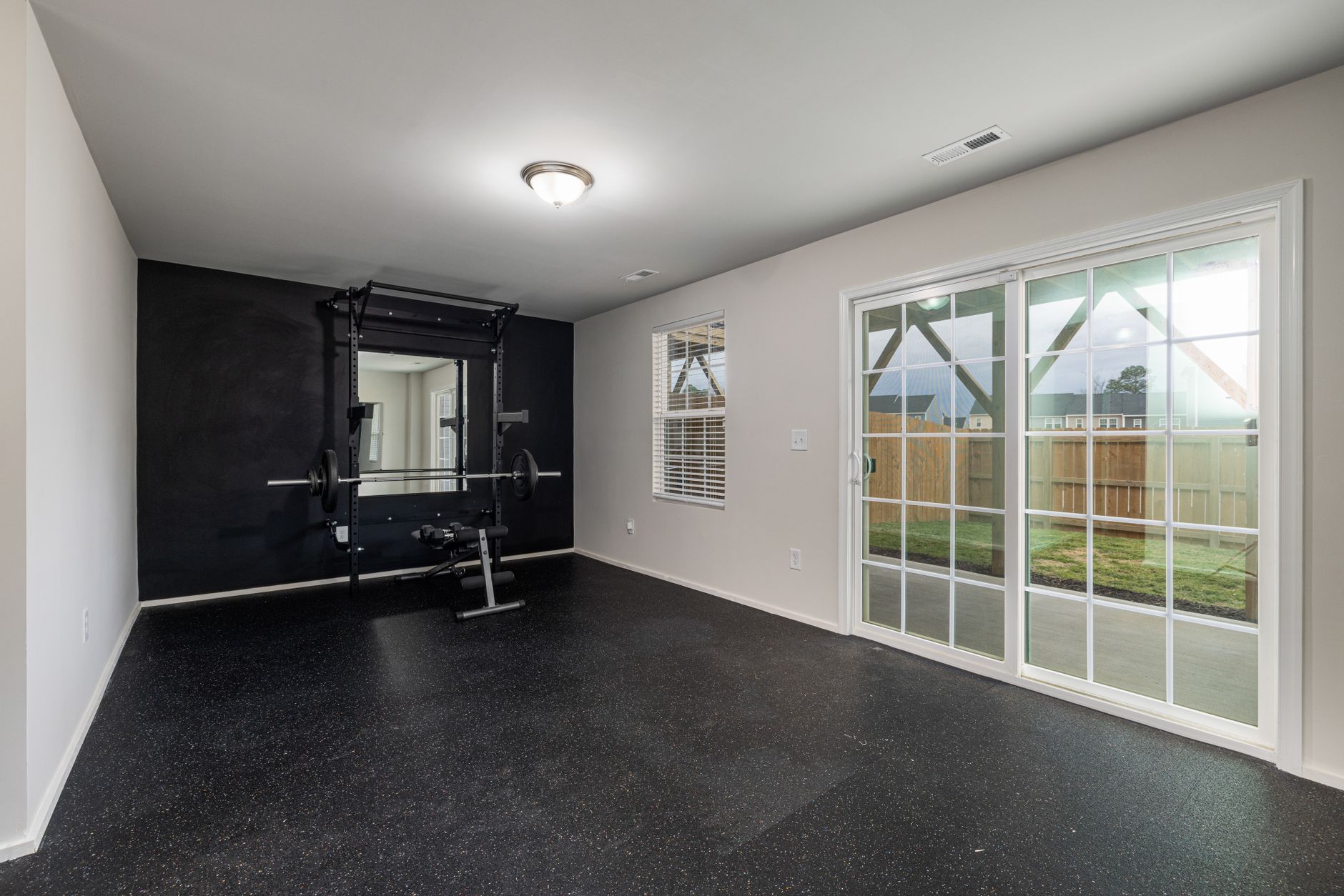
For a home gym, the decision usually comes down to floor area and how many people will train in the same room. A functional trainer is often the better match when you want one cable machine to cover a wide mix of movements without filling the room with multiple pieces. If your space is narrow or shared with other equipment, that flexibility matters.
PT studio and coached training
A PT studio often benefits from a functional trainer because the coach can change angles, grips, and loading quickly from one client to the next. That said, a multi-gym station can work well if the training style is more structured and you want clients to move through guided stations with less setup. For the provider, the right choice is often the one that supports clean coaching flow rather than just more exercise options.
Condo gym, hotel gym, office gym, and larger commercial gym
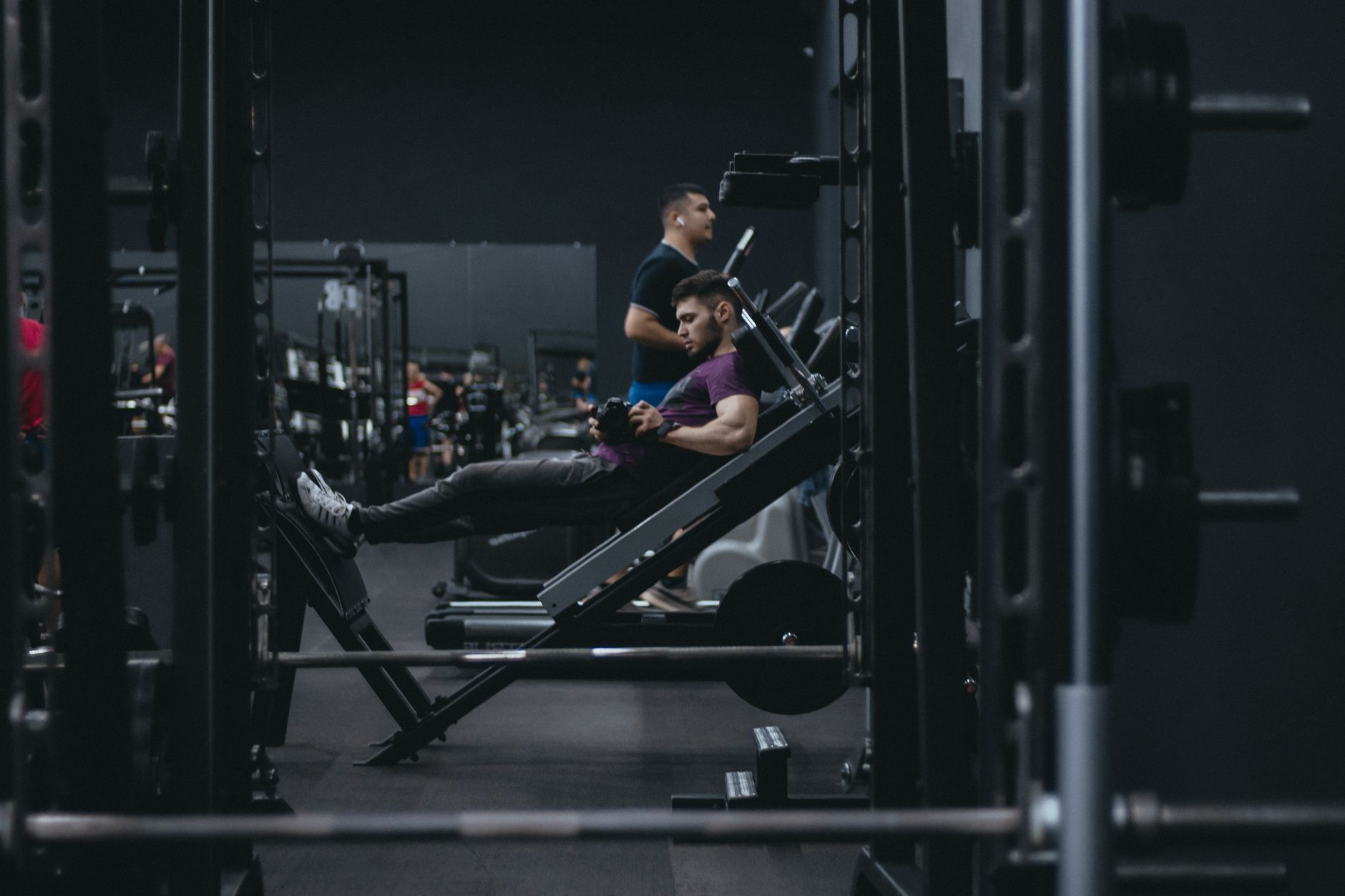
In shared facilities, user capacity and ease of supervision matter more than exercise freedom alone. Condo and hotel gyms often need equipment that is easy to understand, while office gyms may need a straightforward setup that different users can approach quickly. If you are planning a shared room, Commercial GYM Equipment can help you match equipment to the actual use pattern, not just the floor plan.
Larger commercial gym
In a larger commercial gym, the best choice depends on whether your priority is throughput or versatility. A functional trainer supports varied cable work in one area, while a multi-gym can create a more guided training zone with clearer station use. Either way, maintenance planning should be part of the decision, especially for cable wear, pulley movement, and regular inspection. Desire Gym can help Malaysian buyers compare options based on layout, capacity, and coaching style, then decide whether to add to cart or WhatsApp to know more.
Functional Trainer vs Multi-Gym Comparison Table
If you want flexible cable-based movement, a functional trainer is usually the better fit. If your priority is guided stations with a clearer training path, a multi-gym is often the more practical choice.
| Feature | Functional Trainer | Multi-Gym |
|---|---|---|
| Cable configuration | Uses adjustable pulleys that can be set for different movement angles and body positions | Uses guided stations with fixed paths for selected exercises |
| Exercise freedom | Better for varied cable work, unilateral training, and custom movement patterns | Better for structured, repeatable exercise setup |
| Learning curve | Usually easier for experienced users who want freedom; may need more coaching for first-time users | Often more user-friendly for beginners because the stations guide the movement |
| Footprint | Often suitable when the goal is one versatile cable machine in a tighter space | Can be more space-efficient per exercise, but the full frame may still be substantial depending on model |
| Maintenance | Cable and pulley service needs should be checked regularly, especially in busy commercial gym use | Guided stations also need inspection, but wear can be more concentrated on fixed components and selector parts |
| Storage | Generally does not need extra loose attachments to function, though accessories may be added | Usually built as an all-in-one station with less need for separate equipment storage |
| User confidence | Good for users who already understand cable setup and movement control | Strong for new users, because guided stations reduce guesswork |
| Simultaneous use | Some models allow two users to train at once; capacity depends on design | Capacity varies by layout and station count, so user capacity should be checked model by model |
| Coaching flow | Works well in a PT studio when coaching needs exercise variation and quick setup changes | Works well where supervision and repeatable station flow matter more than open-ended exercise choice |
| Best fit by facility | Home gym, PT studio, boutique gym, or compact commercial setup | Condo gym, hotel gym, office gym, or any setup that needs clear guided stations |
For Malaysia buyers, the decision often comes down to space, user capacity, and how much supervision the room will have. In a home gym, one versatile cable machine may be enough. In a PT studio or boutique gym, adjustable pulleys can support programming variety. In a condo gym or hotel gym, guided stations may improve user confidence and reduce confusion. In a larger commercial gym, throughput and maintenance planning should be reviewed together so the layout works smoothly over time.
Desire Gym can help you compare models for local facility needs, from setup planning to after-sales support. Add to cart or WhatsApp to know more.
Choose This If… A Practical Buyer Decision Guide
If you want open-ended cable versatility, choose a functional trainer. If you want more guided training flow with fixed exercise paths, a multi-gym station is usually the better fit for the room and the users.
Choose a functional trainer if…
- Your space is a home gym, PT studio, or boutique fitness room where one cable machine needs to cover many training styles.
- You want adjustable pulleys for frequent setup changes, including different heights and angles for pressing, rowing, rotation, and accessory work.
- You coach clients who need varied programming and fast transitions between movements.
- You prefer a compact layout with fewer fixed stations and more freedom around the machine footprint.
- You are planning for a setup where maintenance can be managed around cables, pulleys, and smooth carriage movement over time.
For Malaysian buyers, this option often suits rooms where every square metre matters and the machine must do more than one job.
Choose a multi-gym station if…
- Your site is a condo gym, hotel gym, office gym, or shared facility where users may benefit from clearer machine guidance.
- You want guided stations that make the training flow easier for first-time users or general members.
- You need repeatable exercise patterns and a simpler learning curve for unsupervised or lightly supervised spaces.
- You want to review user capacity model by model, especially if the station layout allows more than one person to train at once.
- You are building a commercial floor plan where predictable station use and straightforward access matter more than open-ended cable freedom.
If you are comparing broader commercial setups, Commercial GYM Equipment can help you evaluate how the machine fits the rest of the floor.
When a hybrid approach makes sense
A mixed layout can work well when the room serves different user types. For example, a PT studio may pair one cable machine with guided stations so coaches can switch between customised work and structured equipment use. A condo gym may also combine a versatile unit with a few easy-to-understand stations to balance space, comfort, and upkeep.
- If your priority is programming variety, lean toward the cable-focused option.
- If your priority is simple access for many users, lean toward guided stations.
- If your priority is both, combine one of each where space and budget allow.
For Desire Gym buyers in Malaysia, the safest approach is to match the machine to the room, the supervision level, and long-term maintenance needs before adding to cart or WhatsApping the team for more details.
What Should You Check Before You Buy in Malaysia?
Choose based on who will use it, how much room you have, and how much upkeep your team can support. In practical terms, a cable-focused machine suits buyers who want adjustable training options, while a guided station setup suits buyers who want straightforward operation and easier supervision.
Station count and user capacity
How many people will train at the same time?
Check whether the machine is designed as a single training point or as a multi-station unit. In a home gym, one user is usually enough. In a PT studio, condo gym, hotel gym, or commercial gym, you may need a layout that lets more than one person train without waiting too long.
Does the floor plan support safe movement around the machine?
Allow clear access around the frame, especially if the unit sits near benches, mirrors, or dumbbell areas. A compact machine may still feel crowded if the room has low clearance or a narrow walkway.
Weight stack, pulley setup, and dimensions
Check the weight stack range, the cable path, and whether the pulleys adjust smoothly for your intended movements. Also confirm the unit height, width, and depth against lifts, ceiling clearance, and door access before delivery. If you want deeper model-planning advice, the Commercial Multi Gym Station Malaysia Guide can help you compare layout choices before ordering.
Maintenance and after-sales support
Ask how often cables, pulleys, and moving parts need inspection, lubrication, or replacement. This matters more in busy rooms because frequent use can increase wear. For Malaysia buyers, it is also sensible to ask about installation guidance, spare parts availability, and who to contact if the machine needs servicing later.
A clearer purchase decision comes from matching the machine to the room, users, and maintenance plan, not just the exercise list. If you are ready to compare options, Desire Gym can help you choose a practical setup for your home gym or facility, with add to cart and WhatsApp support available.
Frequently Asked Questions
Is a functional trainer better than a multi-gym for a home gym?
Which is easier for beginners to use: functional trainer vs multi gym?
Can multiple people train at the same time on a functional trainer or multi-gym?
What should a PT studio, condo gym, or hotel gym choose?
How do maintenance and storage compare between a functional trainer and multi-gym?
References
- [Mayo Clinic — Strength training: Get stronger, leaner, healthier]( — [Mayo Clinic — Strength training: Get stronger, leaner, healthier](
- [Harvard Health Publishing — What you need to get started with strength and power training]( — [Harvard Health Publishing — What you need to get started with strength and power training](
- [Harvard Health Publishing — Setting up a home gym]( — [Harvard Health Publishing — Setting up a home gym](
- [American Council on Exercise (ACE) — The Forgotten Benefits of Machine Training]( — [American Council on Exercise (ACE) — The Forgotten Benefits of Machine Training](
- [Harvard Health Publishing — Tips for choosing the right exercise equipment]( — [Harvard Health Publishing — Tips for choosing the right exercise equipment](