Gym Equipment Installation Checklist Malaysia: What to Prepare Before Delivery
Gym equipment installation Malaysia runs smoothly when the site is ready before delivery: confirm the floor plan, measure doorway clearance, lift access, staircase access, and equipment dimensions, an
Quick answer
Gym equipment installation Malaysia runs smoothly when the site is ready before delivery: confirm the floor plan, measure doorway clearance, lift access, staircase access, and equipment dimensions, and prepare floor level, floor protection, and electrical points. Share site photos early, then allow time for delivery, assembly, testing, and handover with DesireGYM.
Key Takeaways
- Check access points early, including doorway clearance, lift access, and staircase routes.
- Confirm floor level, floor protection, and power points before equipment delivery.
- Match the floor plan to actual equipment dimensions to avoid installation delays.
- Prepare site photos and a clear handover checklist for smoother commercial gym installation.

A well-prepared site can save time, reduce confusion, and help your commercial gym installation stay on schedule. This guide explains what Malaysian business owners, facility managers, procurement teams, and gym operators should prepare before equipment delivery, including access checks, layout confirmation, floor protection, assembly, testing, and handover. With practical planning and support from DesireGYM, you can make sure the installation process is more efficient and easier to manage.
What should you prepare before gym equipment installation in Malaysia?
Prepare the equipment list, site details, and delivery timing before installation day. For gym equipment installation Malaysia projects, the goal is to let the team arrive with the right items, the right route, and the right sequence so the work can move smoothly.
Confirm the equipment list
Start by confirming the exact models, quantities, and accessories in your order. List every machine, bench, rack, plate set, dumbbell set, and any add-ons such as mats, cable attachments, or spare parts, because even one missing item can affect assembly and testing.
It also helps to share the final equipment dimensions and the intended placement for each item. This is especially important for commercial gym installation where multiple stations must be arranged in a usable layout, with enough spacing for movement, cleaning, and safe operation.
Share site photos and floor plan
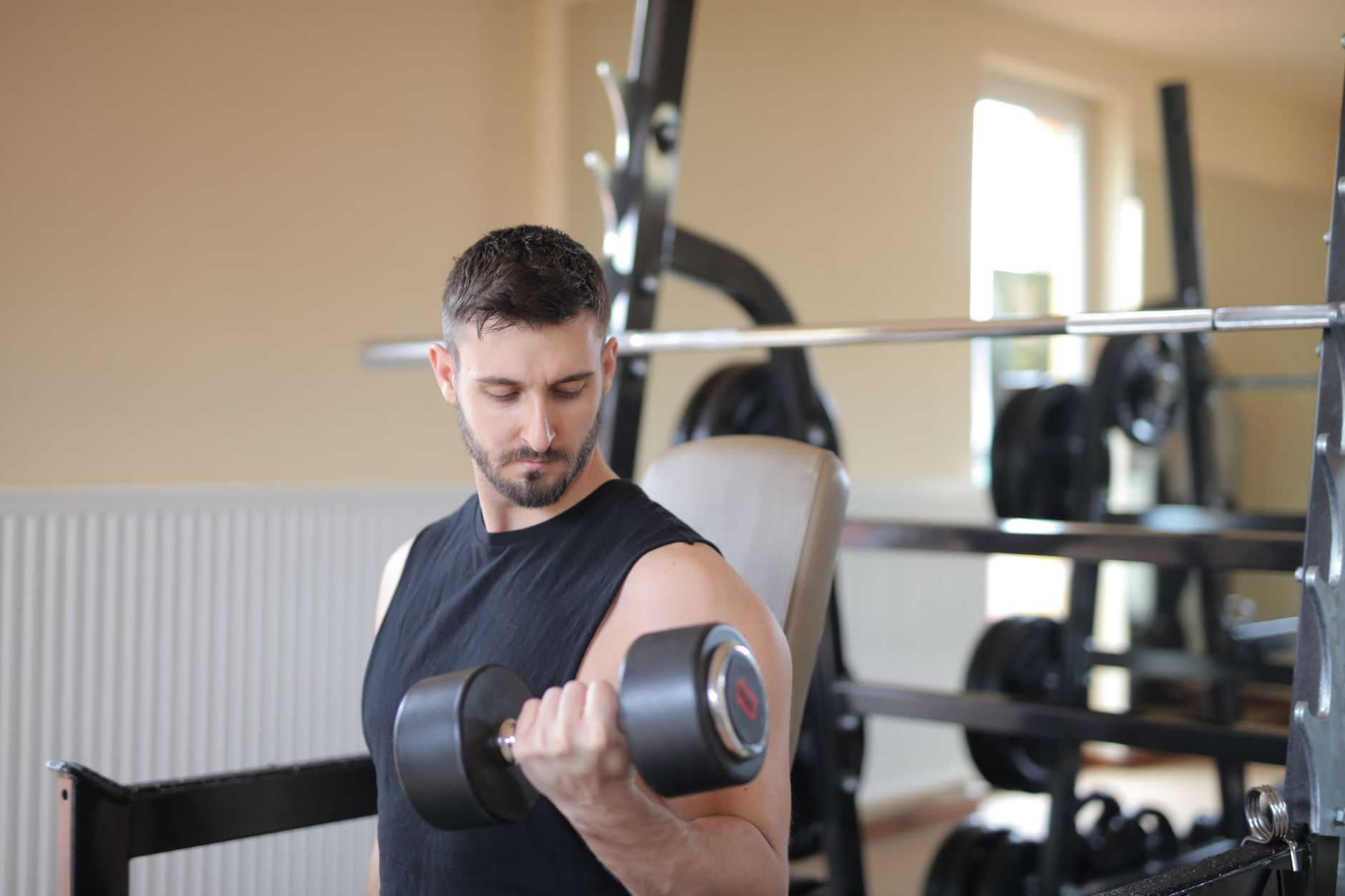
Send updated site photos before delivery, including the entrance, loading area, corridor, lift access, staircase, and the actual workout space. Photos help the team judge whether the equipment can move through the site without unnecessary delays.
A clear floor plan is just as important. Mark where each unit should go, and note any fixed items such as pillars, mirrors, sockets, or reception counters. If the floor level is uneven, mention it early so the team can prepare for positioning and final adjustment. According to the Malaysia DOSH Accident and Occupational Health Statistics report, 54.7% of workplace injury cases involved falls, slips, and trips (DOSH, 2022), which is why a tidy route and protected access path matter.
If you need support with planning or product coordination, you can review Gym Installation for a smoother handover process.
Align the installation date with delivery
Before confirming the date, make sure the equipment delivery schedule matches site readiness. The area should already be cleared, floor protection should be in place, and electrical points should be available where needed. This helps avoid rescheduling or partial installation.
It is also wise to assign one contact person on-site for receiving, checking, and approving the handover. That person can confirm assembly, testing, and final positioning once the equipment is installed. For larger projects, a simple checklist should cover delivery receipt, parts verification, test run, and handover sign-off so the process stays organised and transparent.
For buyers comparing options and planning ahead, DesireGYM can help coordinate the order details, site information, and installation flow so the whole process feels more manageable.
How do you check delivery access, doorway clearance, lift access, and staircase routes?
Check the full access route before delivery by measuring every opening, turning space, and level change from the truck drop-off point to the final position. The goal is to confirm that the equipment can move safely through the site without delays, damage, or last-minute relocation.
Measure entrances and corridors
Start with the main entrance, internal doors, corridors, and any corners where long cartons or assembled parts must turn. Record the clear width, clear height, and any obstacles such as railings, counters, wall protrusions, or low fixtures. This is especially important for heavy frames and long components used in commercial gym installation.
A practical way to organise the check is to compare each access point against the equipment dimensions and the delivery route.
| Access point | What to measure | What to confirm | Common risk if ignored |
|---|---|---|---|
| Doorway | Clear width and height | Enough space for cartons, frames, and handling room | Items may need unloading outside and manual re-routing |
| Corridor | Width, corners, and turning radius | Space for moving parts without scraping walls | Delays, wall damage, or inability to turn equipment |
| Final room | Equipment dimensions and layout position | Clear path to the planned placement point | Equipment may arrive but not fit in the intended position |
If the site has a floor plan, mark the delivery path and final positions before the team arrives. When buyers need help coordinating this process, Gym Installation can be used to review the site information in advance.
Check lift size and loading access
If the equipment is going upstairs, confirm the lift cabin size, door opening, and load limit before delivery day. Also check whether the lift can take long packages without tilting them in a way that may cause damage. Where lift access is not available, verify the loading or unloading point and the route from that point to the installation area.
Confirm staircase route limitations
Staircase access should be checked for width, landing space, handrails, and turning points. Measure the staircase route against the equipment dimensions and allow space for handling and safe movement. If the route is tight, the team may need to adjust delivery timing, split the load, or use a different access path. This is one of the most common planning issues in Malaysia when site access is limited by narrow stairs or shared building access.
For a smoother pre-delivery check, confirm doorway clearance, lift access, staircase route, and final placement together, rather than separately. That simple review reduces damage risk and helps the fitness centre complete assembly, testing, and handover with fewer interruptions.
What site details should you confirm for commercial gym installation?
Before delivery, the team should confirm the exact room layout, access route, and final equipment positions so the installers can work efficiently and avoid unnecessary movement on site. For a commercial gym installation, the most useful details are the floor level, power points, surface condition, and a clear floor plan showing where each machine will sit.
Floor level and surface condition
The team should know whether the floor is level, newly finished, tiled, polished concrete, vinyl, or covered with mats. Uneven floors can affect stability during assembly and testing, especially for machines with long frames or adjustable feet. If the site has raised thresholds, drains, loose tiles, or floor defects, note them in advance so the delivery team can plan the route and placement carefully.
- Floor level and any visible slope
- Surface type in each installation zone
- Finished room height, if tall machines are being installed
- Exact delivery and unloading point
- Any wet areas, fragile finishes, or restricted sections
- A simple floor plan with final machine positions
A clear floor plan also helps the team decide which items should go first and where spacing should be left for safe movement and servicing. For flooring planning, you may also refer to Gym Flooring Malaysia 2025: Carpet vs Rubber Mats before the installation day.
Electrical points and outlet locations
Electrical points should be checked against the equipment dimensions and the final placement of each unit. The installers need to know where sockets, switches, and cable routes are located so they can avoid leaving cords across walkways or placing machines too far from power access. If the equipment requires plug-in features, confirm the outlet location early and keep it close to the intended position.
Useful information to prepare:
- Location of all electrical points near the equipment area
- Distance from each outlet to the final equipment position
- Any shared circuits that may limit arrangement choices
- Whether outlets are already accessible or hidden behind wall panels
- Site photos showing the wall, socket area, and surrounding space
Floor protection and equipment positions
Before the team arrives, protect finished surfaces with suitable coverings and clear the installation area of loose items, cartons, and furniture. This is especially important for DesireGYM projects where several units are being assembled in one visit, because the team needs room for assembly, testing, and handover without obstruction.
Confirm these final site details:
- Where each machine will be placed
- Which areas need floor protection
- Whether storage space is available for packaging waste
- A clean route from unloading point to the setup area
- Site photos taken from several angles for reference
These details help the provider prepare the right tools, reduce delays, and complete the handover smoothly after testing.
How do assembly, testing, and handover usually work?
In a typical gym equipment installation Malaysia project, the team starts with unpacking and positioning, then moves into assembly, testing, and a final walk-through. This sequence helps reduce errors and makes sure each machine is ready for safe use before the job is signed off.
Assembly sequence
- The installers unload the equipment, check the cartons against the delivery list, and place each item near its final position.
- They assemble the main frame first, then add moving parts, upholstery, consoles, cables, or accessory holders according to the model.
- Once the unit is built, they align it, secure all fasteners, and adjust the machine so it sits properly on the floor level.
- For larger projects such as commercial gym installation, the team usually works machine by machine so the setup area stays organised and the workflow remains clear.
This stage can take longer if the equipment dimensions are large, the room is tight, or the final layout requires careful positioning near walls and walkways. If multiple items are being installed, the provider may also sequence them by priority so the most important stations are completed first.
Functional testing
After assembly, the team checks whether the equipment moves smoothly and operates as intended. Typical checks include resistance settings, pulley travel, seat adjustments, console response, stability, and any safety stops or locking points.
If the unit needs power, the installer will confirm that the electrical points are reachable and that the equipment can be placed without stretching cables across traffic areas. They also test the machine in the exact final location to make sure there is enough clearance for use, service access, and day-to-day operation.
A simple test run matters because it helps catch issues early, before the client starts using the equipment.
Final handover and basic checks
- The team confirms the final equipment positions with the client.
- They explain basic operation, adjustment points, and care notes.
- They remove packaging, clean the area, and check that the floor protection can be lifted safely.
- They complete a final inspection with the client and hand over the installed items.
At this stage, the provider should also review any follow-up maintenance needs. For ongoing care, Gym Equipment Maintenance Checklist Malaysia is a useful next step for owners planning regular upkeep.
For DesireGYM projects, a clear handover is especially helpful because it gives the buyer confidence that delivery, assembly, and testing have been completed properly before the equipment goes into daily use.
Gym equipment installation Malaysia: pre-installation checklist for businesses
The best way to avoid delays is to prepare a complete site brief before the shipment arrives. For commercial gym installation, the provider should receive measurements, access details, electrical information, and final room layouts in advance.
Before delivery
Start with a clear floor plan showing the intended machine positions, the equipment dimensions, and the total quantity to be delivered. This helps the team plan unloading order, assembly sequence, and space allocation without blocking circulation routes.
For businesses, the most important access checks are doorway clearance, lift access, staircase width, corridor turns, and loading or unloading access at the building entrance. If the site has different floor levels, note them clearly so the delivery route can be planned with fewer surprises. Site photos are also very useful, especially pictures of entrances, lifts, ramps, service corridors, and the final installation area.
Electrical points should be marked on the plan before delivery. This is especially important for powered cardio units or any machine that needs a nearby socket. The team should also confirm the final equipment positions so cables, access panels, and user movement are all practical in the finished layout.
Floor protection should be prepared in advance if the site has polished tiles, vinyl, timber, or other sensitive surfaces. Clear the installation area of furniture, stock, loose items, and temporary barriers so the crew can work safely. A clean site reduces the risk of damage and shortens the assembly process.
What should a business send before delivery?
Send a floor plan, site photos, equipment dimensions, quantity list, access details, and the location of electrical points. This gives the installer enough information to prepare the delivery route and installation method.
Why do access details matter so much?
Doorway clearance, lift access, staircase space, and corridor turns can affect whether equipment can reach the room without delays or rehandling. Early checks help avoid last-minute movement issues.
What should be ready on installation day?
The area should be clear, protected, and accessible, with the final equipment positions confirmed. The team should be able to unload, assemble, test, and complete the handover without unnecessary obstructions.
On installation day
The crew should begin with a quick site check against the submitted information. If there is any mismatch in floor level, access path, or room layout, it should be flagged immediately before unpacking continues. During assembly, the team can position each item according to the approved plan and verify that electrical points are reachable without unsafe cable runs.
After handover
Once testing is complete, the handover should confirm the final positions, basic operation, and any care notes for the client team. A proper close-out also makes it easier to record what was installed, where it sits, and what follow-up support may be needed later.
For businesses that want a smoother rollout, DesireGYM can help coordinate product selection, delivery planning, and installation support so the equipment arrives ready for use. Add to cart or WhatsApp to know more.
Frequently Asked Questions
What details should I send to installers before gym equipment delivery in Malaysia?
How do I know if my doorway, lift, or staircase is wide enough for installation?
Do I need to prepare the floor before gym equipment installation?
What happens during assembly, testing, and handover?
Can I request a pre-installation checklist or installation support?
References
- Department of Occupational Safety and Health (DOSH) Malaysia — Department of Occupational Safety and Health (DOSH) Malaysia
- Malaysia.gov.my — Workplace Safety and Health (OSHA Act 1994) — Malaysia.gov.my — Workplace Safety and Health (OSHA Act 1994)
- DOSH Malaysia — Work at Height — DOSH Malaysia — Work at Height
- Precor — Product Guides — Precor — Product Guides
- Precor — Treadmill 211 Assembly Guide — Precor — Treadmill 211 Assembly Guide