How to Open a Gym in Malaysia: 2026 Setup Checklist for New Gym Owners
To understand how to open a gym in Malaysia, start with a clear gym concept, define your target audience, choose a suitable location, plan your floor plan, set a realistic startup budget, source comme
Quick answer
To understand how to open a gym in Malaysia, start with a clear gym concept, define your target audience, choose a suitable location, plan your floor plan, set a realistic startup budget, source commercial gym equipment from a reliable gym equipment supplier like Desire Gym, and prepare for installation, warranty support, maintenance, and local authority requirements before launch.
Key Takeaways
- A gym business in Malaysia should begin with concept, target audience, and location planning before equipment buying.
- Your startup budget must cover space planning, commercial gym equipment, installation, and ongoing maintenance.
- A practical floor plan helps improve usability, safety, and equipment flow for members.
- Working with a dependable supplier such as Desire Gym helps new owners make better purchase decisions with support, product variety, and after-sales guidance.

Opening a gym in Malaysia requires more than buying equipment and renting a space. This 2026 checklist will guide you through the full planning process, from choosing the right gym concept and target audience to shaping your budget, floor plan, and equipment list. It also covers practical steps for commercial gym setup, local authority requirements, installation, warranty, maintenance, and launch preparation so you can move forward with clearer decisions and proper supplier support.
How do you open a gym in Malaysia?
You open a gym in Malaysia by turning your concept into a practical business plan, checking the local authority requirements for your chosen premises, and preparing a realistic launch timeline before you buy equipment or sign final contracts. For how to open a gym in Malaysia, the safest approach is to plan the business first, then confirm compliance and operational readiness step by step.
Start with a clear business plan
- Define the gym concept, target audience, and expected user volume. A strength-focused neighbourhood gym, for example, needs a different floor plan and equipment mix from a boutique training studio or a larger commercial gym setup.
- Set your startup budget by category, not just by equipment. Include rent deposit, fit-out, flooring, electricity upgrades, ventilation, insurance, signage, payment systems, staff onboarding, and working capital for the first few months.
- Build the equipment list around your space and users. Commercial gym equipment should match your floor area, training style, and traffic flow, so the layout remains safe and practical.
- Choose a gym equipment supplier that can support installation, warranty, maintenance, and future replacement planning. If you are comparing options, DesireGYM can be a useful reference point for product variety and after-sales support.
- Prepare your floor plan before purchase decisions are final. This helps you avoid overcrowding, dead space, or unsafe spacing between machines, racks, and free-weight zones.
Verify local authority requirements
- Confirm the local authority requirements for your premises before opening. Rules can vary by location, so check zoning, renovation approvals, signage permissions, fire safety expectations, and any other conditions tied to your site.
- Review building access, ceiling height, ventilation, and electrical capacity early. A gym with heavy cardio and strength zones usually needs stable power, effective cooling, and enough circulation space to support daily use.
- Keep copies of supplier documents, equipment manuals, and service terms. These are helpful for maintenance planning and for organising handover records before launch.
Build a realistic launch timeline
- Schedule the opening in phases: planning, site preparation, delivery, installation, testing, staff training, and soft launch. A staged timeline reduces last-minute delays and gives you time to check equipment placement, safety clearances, and customer flow.
- Run a pre-launch inspection with your team and supplier support. Confirm that all major machines are installed correctly, warranty details are recorded, and maintenance contacts are ready before the first members arrive.
In practice, opening a gym is about disciplined preparation: clear business planning, compliant premises, the right equipment, and a launch process that is checked carefully before trading begins.
Who is your gym for: target audience, concept, and expected user volume
The right gym concept depends on who you want to serve and how busy you expect the space to be. A clear audience profile helps you choose the right floor plan, equipment mix, and daily capacity from the start.
Home-neighbourhood gym vs commercial gym
A small neighbourhood gym usually serves nearby residents, students, or workers who want convenient, everyday training. A larger commercial gym setup is built for broader appeal, longer opening hours, and higher foot traffic, so it needs more stations, better circulation, and stronger equipment availability.
| Gym concept | Typical target audience | Space and equipment needs | Capacity planning approach |
|---|---|---|---|
| Home-neighbourhood gym | Local residents, beginners, casual users | Compact floor plan, basic cardio, free weights, and a few multi-use machines | Plan for steady, moderate traffic and simple zoning |
| Commercial gym | Mixed audience, regular trainers, shift workers, serious lifters | Wider equipment range, separate training zones, more flooring and storage | Design for peak-hour movement and multiple users per zone |
For a gym business Malaysia owners want to position well, the concept should match the surrounding community. A residential area may respond better to beginner-friendly training and family access, while a business district may need faster turnover, early-morning use, and compact training stations.
Beginner-friendly, strength-focused, or mixed-use concept
Choose one core identity first, then support it with the right commercial gym equipment. A beginner-friendly gym usually needs more guided machines, clear signage, and open space for confidence and safety. A strength-focused site needs squat racks, benches, plates, and enough room for spotting. A mixed-use centre needs a balanced layout for cardio, functional training, and free weights.
When reviewing vendor options, compare not only machine types but also service support, installation, warranty, and maintenance terms. A practical reference such as Commercial GYM Equipment can help you evaluate suppliers more consistently before you commit.
Estimating peak-hour traffic and equipment demand
Estimate user volume by looking at the busiest times, not just the average day. If most members arrive before work and after work, the gym needs enough machines and open stations to avoid waiting lines. A simple planning method is to map expected users into zones: cardio, strength, functional, and recovery.
A common mistake is to buy equipment for the first month only. Instead, plan for peak-hour demand, replacement cycles, and future growth. A trusted provider like DesireGYM can help buyers compare equipment categories, but the final selection should still follow your own floor plan, target audience, and operating model.
For example, if your concept is beginner-led, one rack may be enough to start, but more adjustable benches and entry-level machines may improve flow. If your audience is strength-trained users, allocate more space per station and avoid crowding around high-demand lifts. This is where a realistic startup budget matters, because equipment quantity, layout, and maintenance reserves all need to work together.
What should be in a gym startup budget beyond equipment?
A realistic gym startup budget should cover more than commercial gym equipment. New owners should set aside funds for fit-out, utilities, permits, professional services, and opening support so the project does not stall after the purchase order is placed.
Fit-out and renovation
Your budget should include the physical work needed to turn an empty or underused space into a safe, functional training area. This usually means flooring, wall finishing, mirrors, paint, lighting upgrades, storage, reception counters, locker areas, shower zones, and any partition work needed for a clear floor plan.
- Rubber flooring, vinyl, or other impact-resistant surfaces
- Mirrors and wall protection
- Reception and membership counter build-out
- Storage racks, lockers, and shoe areas
- Toilets, showers, and changing rooms
- Signage, branding, and wayfinding
- Fire safety items and emergency exit marking
- Partitioning for studio, recovery, or private training areas
If your concept serves beginners, families, or office workers, the fit-out should support easy movement and a welcoming first impression. If you need a deeper breakdown, see Commercial Gym Setup Cost Malaysia 2026 Guide.
Utilities, access, and operating setup
This budget category is often underestimated, yet it affects daily operations. Plan for electricity upgrades if your equipment load is high, plus ventilation, air-conditioning, internet, CCTV, access control, sound systems, and basic IT setup for membership management.
Also include costs linked to the building and local authority requirements, such as application support documents, professional drawings if needed, and any inspections required for occupancy or safety compliance. These items vary by site and scope, so they should be confirmed early rather than assumed later.
- Electrical assessment and wiring upgrades
- Ventilation and air-conditioning planning
- Internet, router, POS, and membership software
- CCTV and access control systems
- Cleaning tools and janitorial supplies
- Initial staffing and front-desk setup
- Professional fees for planning documents or submissions
Supplier support, delivery, and installation planning
Beyond the purchase price, ask your gym equipment supplier what is included in delivery, assembly, testing, and handover. Installation planning matters because a delayed delivery can affect renovation timing and opening dates. You should also budget for warranty terms, maintenance visits, spare parts, and replacement planning for wear-and-tear items.
For a commercial gym setup, a supplier with clear after-sales support, such as DesireGYM, can help buyers compare options before committing. The key is to confirm what is covered, how service requests are handled, and whether the team can support reconfiguration later if your floor plan changes.
How to choose the right location, floor plan, and commercial gym equipment
Choose a site that matches your target audience, expected user volume, and operating hours, then design the layout around the type of training you want to support. A good commercial gym setup is not just about filling a room with machines; it is about making sure members can move safely, train comfortably, and return during busy periods without overcrowding.
Space, access, ventilation, and power requirements
Start with the site itself. Look for a location with visible frontage, convenient parking, and easy access from residential areas, offices, or mixed-use buildings, depending on your target market. For gym business Malaysia planning, the floor area should be large enough for training zones, reception, storage, changing areas, and circulation space between machines. As a practical guide, avoid packing equipment too tightly; members need clear walkways, room for stretching, and enough space for safe handling of weights.
Also check the building’s loading capacity, ceiling height, air flow, and power supply before signing any lease. Cardio machines, air-conditioning, lighting, and audio systems all increase electrical demand. If the site has weak ventilation or limited electrical capacity, your renovation costs and timeline may rise. This is where local authority requirements and building constraints should be reviewed early, because they can affect what you are allowed to install and how quickly you can open.
Equipment zoning for cardio, strength, and free weights
A strong floor plan separates movement-heavy areas from focused training areas. Place cardio equipment near natural traffic flow and windows where possible, while strength machines can sit in a more structured row system. Free weights should be placed in a dedicated zone with shock-absorbing flooring, mirrors, and wider clearance to reduce congestion and improve safety.
Think about user behaviour, not just product lists. If you expect peak-hour office users, compact machines and efficient circulation matter more. If your audience is serious lifters, you may need more squat racks, benches, and plate storage. A simple sketch of traffic paths, equipment spacing, and emergency access can save costly redesign work later.
Selecting a gym equipment supplier in Malaysia
Choose a gym equipment supplier that can help you compare machine grades, delivery timelines, and after-sales support before you buy. Ask whether the quote includes installation, warranty coverage, spare parts support, and maintenance guidance. These details matter because commercial equipment should be planned for long-term use, not only for the opening month.
For buyers who want a clearer comparison before placing an order, Commercial GYM Equipment can help you evaluate equipment quality, service terms, and setup decisions. If you are comparing fit-out options, DesireGYM can also support procurement planning with product variety and practical advice for Malaysian buyers.
Installation, warranty, maintenance, and launch checklist
The final stage of how to open a gym in Malaysia is making sure the equipment arrives correctly, is covered properly, and can be maintained from day one. A well-run launch is not only about opening doors; it is about verifying every machine, keeping spares in mind, and preparing a simple service routine before your first members walk in.
Delivery and installation coordination
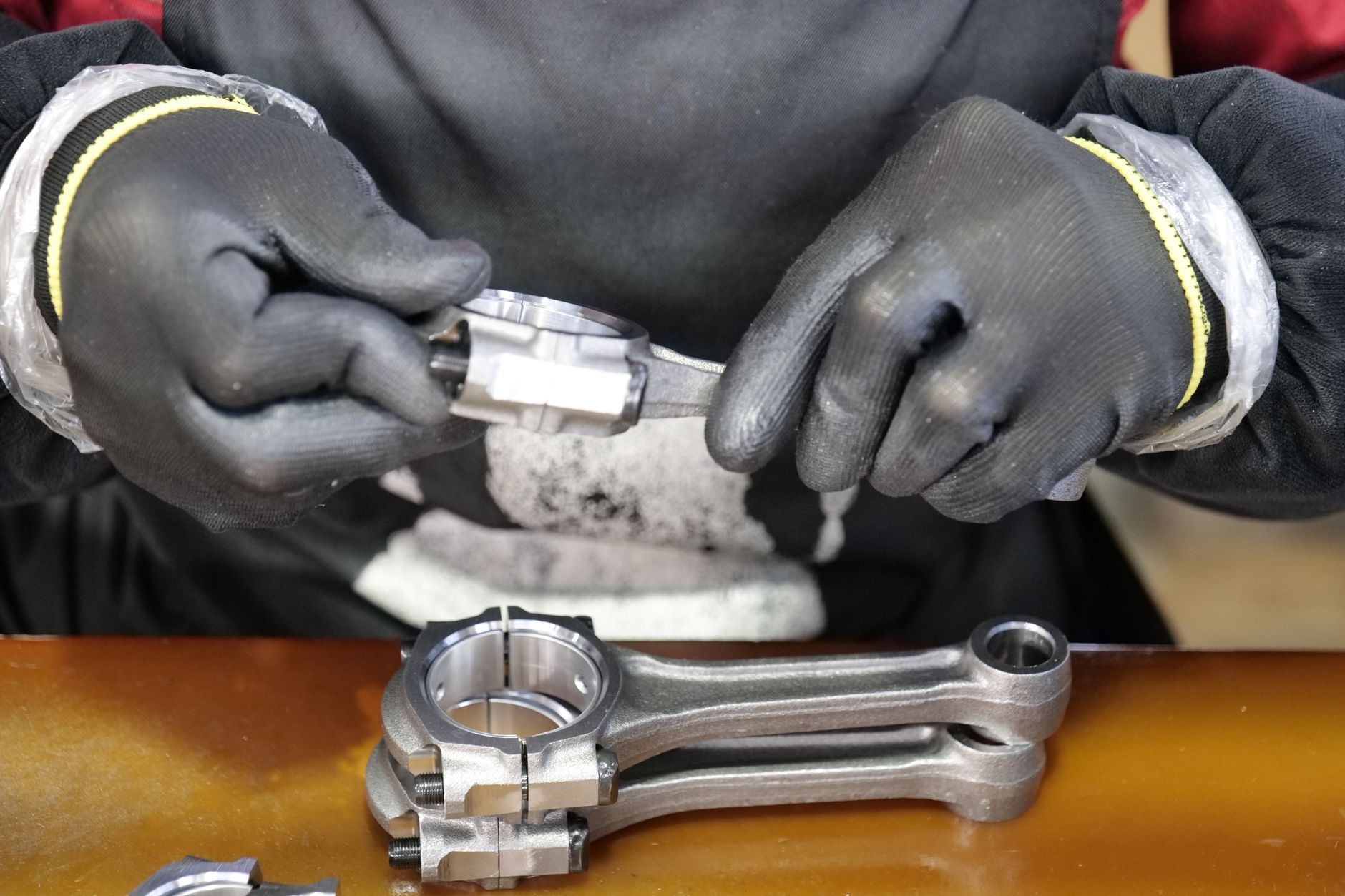
Coordinate delivery after the floor plan is approved and the room is ready for equipment placement. Confirm access routes, loading bay height, lift size, stair clearance, and whether the site needs off-peak delivery hours. For heavier commercial gym equipment, ask the supplier to confirm assembly order so machines can be installed without blocking key walkways.
What should be checked when equipment arrives?
Inspect each item against the invoice, count all parts and accessories, and look for transit damage before signing off. Photograph any dents, missing bolts, or torn packaging immediately so the issue can be recorded with the gym equipment supplier.
Why does installation planning matter before opening?
Correct installation affects safety, machine stability, and user experience. Poor positioning can create congestion around racks, reduce ventilation around cardio machines, and make cleaning harder during daily operations.
Warranty and after-sales support
Before paying the final balance, confirm the warranty period for each machine type, what parts are covered, and how service requests are handled. Some suppliers also provide technician support, spare parts access, and start-up guidance for new gym owners. In Malaysia, this matters because equipment use patterns can be intense, especially in a busy commercial gym setup.
For a practical reference on upkeep tracking, Gym Equipment Maintenance Checklist Malaysia can help you plan inspections, cleaning, and replacement timing more clearly.
Maintenance and replacement planning before opening
Maintenance should begin before the first membership sign-up. Create a simple schedule for daily cleaning, weekly bolt checks, monthly cable inspection, and periodic lubrication where needed. Keep a basic spare-parts list for high-wear items such as cables, pads, belts, and handles, because short downtime can affect the user experience.
A launch checklist should also include staff briefing, emergency contact numbers, basic machine orientation, and a trial run of the full gym layout. This is where business planning becomes operational: if one machine fails during the opening week, you should already know the reporting process and the replacement path.
For owners comparing setup options, DesireGYM offers commercial gym equipment, installation support, warranty guidance, and practical advice to help you prepare a reliable opening. If you are ready to move forward, add to cart or WhatsApp to know more.
Frequently Asked Questions
How much money do you need to open a gym in Malaysia?
What is the best location for a new gym in Malaysia?
What gym equipment should I buy first for a startup gym?
Do I need licenses or approvals before opening a gym in Malaysia?
What should be on a gym startup checklist before opening day?
References
- Suruhanjaya Syarikat Malaysia (SSM) — Guidelines for Registration of New Business — Suruhanjaya Syarikat Malaysia (SSM) — Guidelines for Registration of New Business
- Suruhanjaya Syarikat Malaysia (SSM) — Registration of Business (ROB) — Suruhanjaya Syarikat Malaysia (SSM) — Registration of Business (ROB)
- Majlis Bandaraya Seremban — Business Premise License — Majlis Bandaraya Seremban — Business Premise License
- Majlis Bandaraya Petaling Jaya (MBPJ) — Licensing — Majlis Bandaraya Petaling Jaya (MBPJ) — Licensing
- Majlis Bandaraya Melaka Bersejarah (MBMB) — Licensing — Majlis Bandaraya Melaka Bersejarah (MBMB) — Licensing