Used Gym Equipment Malaysia: What to Check Before Buying Commercial Machines
Used gym equipment Malaysia can be a cost-conscious option for businesses, but only if you inspect the machine carefully before buying. Check equipment age, service history, frame condition, cables, p
Quick answer
Used gym equipment Malaysia can be a cost-conscious option for businesses, but only if you inspect the machine carefully before buying. Check equipment age, service history, frame condition, cables, pulleys, bearings, motor, electronics, and upholstery, then factor in spare parts, refurbishment, repair cost, transport cost, and total ownership cost before deciding.
Key Takeaways
- Use an inspection checklist to compare condition, age, and service records before buying second-hand gym equipment.
- Focus on high-wear parts such as cables, pulleys, bearings, motor, electronics, and upholstery.
- Estimate refurbishment, repair cost, transport cost, and spare parts to understand the real total ownership cost.
- For Malaysian buyers, DesireGYM can be a practical reference point for evaluating risk, value, and support before purchase.
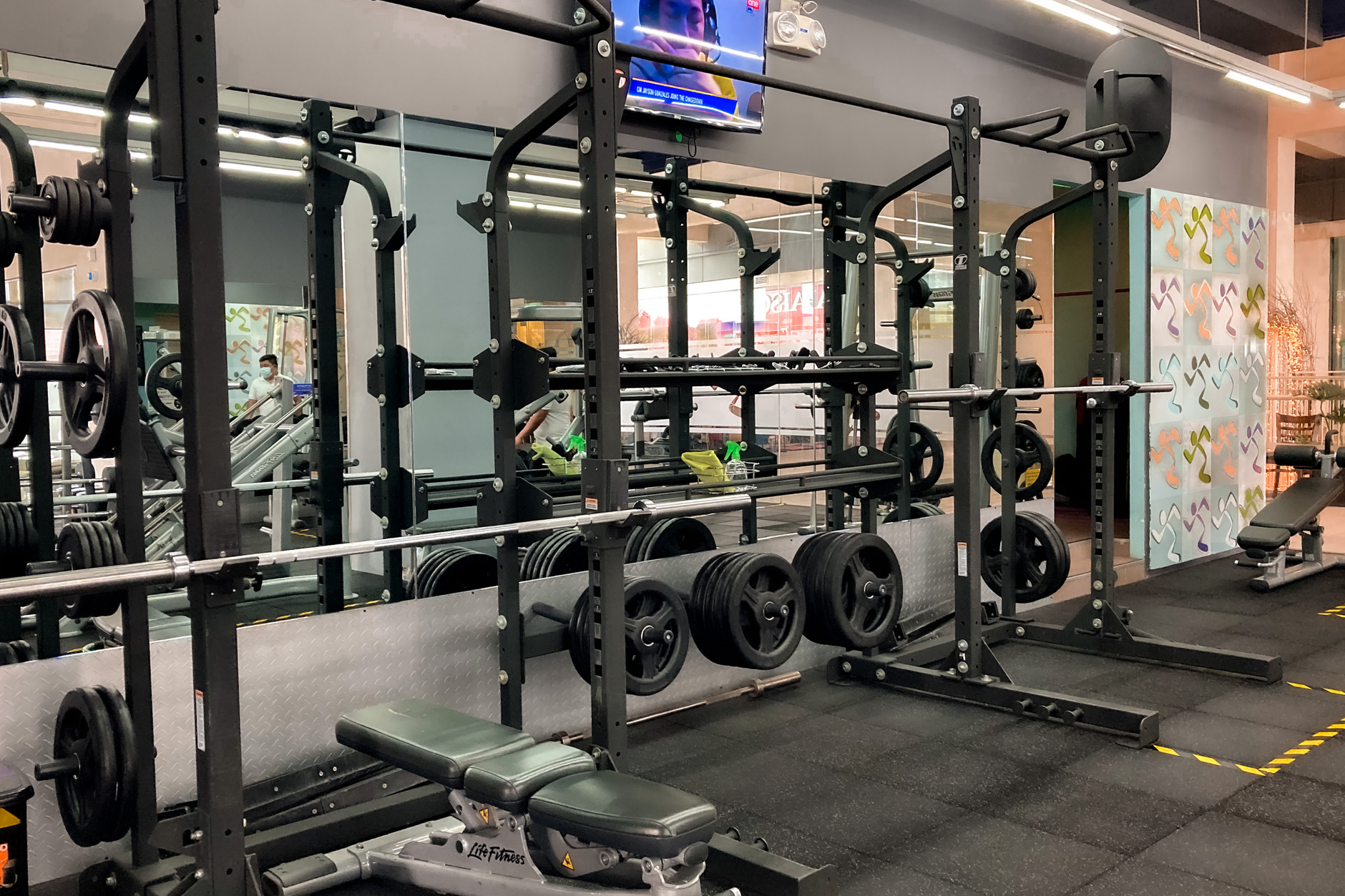
Buying used commercial gym equipment can make sense for Malaysian gyms, resellers, and facility managers, but only when the machine is assessed properly and the real ownership cost is clear. This guide shows what to check before committing, including equipment age, service history, frame condition, and the most common wear points. It also explains how to judge refurbishment needs and avoid hidden costs that can affect your budget after delivery.
Used Gym Equipment Malaysia: Is It Worth Buying for Commercial Use?
Yes, it can be worth buying if the machine has acceptable equipment age, a clear service history, and a condition that matches your operating plan. For buyers managing tight capital, used commercial gym equipment may reduce upfront budget pressure, but only when the inspection result and future maintenance needs are realistic.
When used equipment can make sense
This option is often practical for a new studio, a hotel gym, or a facility expanding in phases. In those cases, the main advantage is cash flow: you may preserve budget for flooring, installation, staffing, or other priority items instead of tying everything up in one purchase. A well-chosen unit can also be suitable for lower-traffic areas, where daily usage is more controlled and the wear rate is slower.
The decision should be based on expected usage, not just price. A machine that looks affordable today can become expensive if it needs frequent repair, imported spare parts, or repeated transport between workshop and site. That is why buyers should compare the asking price with likely refurbishment work, repair cost, and total ownership cost over the next few years.
A simple way to judge value is to compare how much risk you are accepting versus how much you save upfront:
| Comparison Factor | Used Commercial Machine | New Commercial Machine |
|---|---|---|
| Upfront budget | Lower initial payment, but condition varies | Higher initial payment, easier to plan |
| Inspection risk | Needs close review before purchase | Lower uncertainty at delivery |
| Refurbishment need | May need immediate work or tuning | Usually minimal at the start |
| Spare parts access | Must be confirmed by model and age | Typically easier to source early on |
| Long-term planning | Better for short-term expansion or staged buying | Better for standardised, multi-year rollout |
For buyers who want broader sourcing guidance, Commercial GYM Equipment can help frame the purchase decision before committing to a machine.
When new equipment may be the safer choice
New equipment is often the better route when the machine will run long hours, serve many members, or support a premium training environment. It is also safer when spare parts availability is uncertain, the previous usage environment is unknown, or the unit requires specialist electronics and controls that are costly to troubleshoot.
If your project depends on predictable uptime, standard warranties, and easier maintenance planning, new stock usually offers more confidence. In contrast, second-hand equipment can be a smart procurement choice only when the buyer accepts inspection work, potential refurbishment, and a careful review of future support needs. For that reason, DesireGYM recommends evaluating each machine on value, not just on whether it is pre-owned.
What should you inspect before buying used commercial gym equipment?
Start with a full structural and functional check, then move through wear parts, electronics, and appearance. The goal is to judge whether the machine can still deliver reliable service after any expected refurbishment and repair cost are factored in.
Frame, welds, and stability
- Check the frame first. Look for bending, rust around joints, cracked paint that may hide corrosion, and any signs that the frame has been over-stressed. A machine can look clean but still be weak at the load-bearing points.
- Inspect welds and adjustment points. Welds should be even and free from hairline cracking, while seat posts, pop-pins, and selector settings should lock firmly without slipping. Test the machine under body weight or load where possible.
- Assess balance and movement. Stand the unit on level ground and see whether it rocks, twists, or shifts during use. This matters especially for racks, benches, and plate-loaded machines where stability affects training confidence.
Moving parts and wear points
- Examine cables, pulleys, bearings, and belts. Fraying cables, noisy pulleys, rough bearings, or stretched belts are early warning signs that maintenance is due. These parts often determine whether a bargain is actually worthwhile.
- Test the motor and drive system where applicable. For treadmills and similar units, listen for unusual vibration, delayed start-up, speed fluctuation, overheating, or error codes. A weak motor can turn a low purchase price into a higher total ownership cost.
- Review service history and equipment age. Ask for maintenance records, previous usage environment, and whether the unit came from a light-use studio, a hotel gym, or a high-traffic commercial floor. This is where the Commercial Strength Equipment Malaysia Guide can also help buyers compare machine types before committing.
Electronics, upholstery, and cosmetics
- Check consoles, buttons, sensors, and power functions. Display screens should respond quickly, controls should register every press, and all safety features should work consistently. Electrical faults are often expensive if spare parts are limited.
- Inspect upholstery, grips, and cosmetic wear. Torn pads, compressed foam, loose stitching, cracked grips, and faded labels do not always stop use, but they can affect comfort, hygiene, and resale confidence. Also confirm whether spare parts are realistically available and whether refurbishment can be completed within budget.
- Compare transport cost against the machine value. Heavy items can be costly to move, lift, and reinstall. For many buyers, the real question is not just purchase price, but total ownership cost after delivery, repair, and setup.
For procurement teams and operators comparing options, DesireGYM recommends treating every unit as a practical investment decision: inspect first, price the repairs honestly, and only then decide whether it is worth adding to cart or WhatsApping to know more.
How do you assess equipment age, service history, and previous use?
The best way is to verify the machine’s identity, then match that against its service records and actual wear pattern. A complete check helps buyers judge whether the asking price is sensible and whether the unit has been lightly used, regularly maintained, or pushed through a demanding commercial environment.
Brand and model verification
Start by confirming the exact brand, model number, serial number, and manufacture year. This helps you compare the unit with the correct specification sheet, because small changes across production runs can affect parts compatibility, capacity, and repair cost. Ask for original invoices, maintenance logs, and any import or ownership documents that can support the machine’s background.
Look for:
- model and serial plates
- purchase invoice or transfer record
- service history from the previous owner
- manufacture date or production code
- replacement part receipts
- maintenance schedule notes
- refurbishment records, if any
If the seller cannot clearly identify the machine, that is a warning sign. A machine with unclear identity is harder to service later, especially when you need matching spare parts or technician support.
Previous environment and duty level
Next, ask where the equipment was used. A machine from a hotel gym, private studio, school, or corporate wellness room may have seen different duty levels from one used in a high-traffic training floor. The key is not only age, but how many hours it was used and under what conditions.
Check whether the unit was exposed to:
- high humidity or poor ventilation
- constant daily traffic
- sweaty, chalky, or dusty conditions
- repeated moving and reinstallation
- limited preventive servicing
A machine from a clean, climate-controlled space with documented upkeep usually tells a different story from one that ran long hours with irregular care. In practical terms, equipment age matters less than the combination of usage intensity, service history, and environmental stress.
Signs of heavy commercial use
Heavy use often leaves visible patterns that go beyond normal cosmetic wear. Look for flattened footplates, polished grip areas, recurring adjustment marks, stretched handles, and unusually loose movement in parts that should feel firm.
Other clues include:
- faded labels on frequently touched areas
- repeated paint loss around entry points and adjustment zones
- uneven wear on selector pins or weight stacks
- stiff operation after long idle periods
- multiple repairs clustered in one section of the machine
These details help you estimate how hard the unit has worked and whether refurbishment would be minor or costly. For buyers comparing used commercial gym equipment, that judgment affects the total ownership cost more than the sticker price alone. DesireGYM recommends using these clues together, not in isolation, before deciding whether to add to cart or WhatsApp to know more.
Can the supplier still provide spare parts, servicing, and refurbishment?
Yes, that should be checked before any purchase. If parts and technical support are still realistic, a machine may be worth considering; if not, even a low asking price can turn into a higher long-term expense.
Parts availability check
Ask for the exact brand, model, and equipment age, then confirm whether key wear items are still available: cables, pulleys, bearings, belts, motors, control boards, switches, and upholstery kits where applicable. For commercial units, also ask whether the seller can source original or compatible parts locally in Malaysia, and how long replenishment usually takes. A clear service history is equally important because it shows whether the machine has received regular replacement of consumables or only reactive fixes. If the supplier cannot name parts codes or sourcing channels, budget for delays and compare that risk against the total ownership cost. For upkeep planning, see Gym Equipment Maintenance Checklist Malaysia.
Refurbishment scope
Refurbishment should be specific, not vague. A proper scope usually lists what will be cleaned, re-lubricated, re-tensioned, re-upholstered, re-painted, or rewired, plus which items remain untouched. Ask for a written breakdown covering frame condition checks, adjustment points, electrical testing, and any cosmetic work. This matters because a basic refresh is very different from a full rebuild. For example, replacing worn grips and upholstery is a moderate task, while rebuilding a motor or control system is more complex and usually changes the repair cost materially. If the quotation does not separate labour from parts, it is harder to compare suppliers fairly.
Repair realism
Not every machine is practical to restore. The key question is whether the needed repair is simple and repeatable, or whether it depends on rare parts, specialist tools, or long downtime. A worn cable set or standard bearing may be manageable; a failed motor, damaged electronics, or obsolete console can be much harder to justify. Ask the provider for an honest view of turnaround time, transport cost, and whether the unit will be supported after the first repair. As a practical rule, if refurbishment would consume a large share of the expected service life, it may be better to walk away and look for a better-documented machine. DesireGYM can help buyers compare these factors before they add to cart or WhatsApp to know more.
What is the real total ownership cost after transport, repair, and refurbishment?
The real cost is not the sticker price alone. When you buy used commercial gym equipment, you should add transport, moving, repair, refurbishment, and any early servicing before you compare it with a new machine.
Transport and moving costs
Transport is often the first hidden cost. A treadmill, selectorised machine, or plate-loaded unit may need a van, loading crew, staircase handling, and careful packing to avoid extra damage. Larger units can also require dismantling and reassembly, which adds labour. In Malaysia, moving costs can change quickly depending on distance, building access, and whether the equipment must go up floors or through narrow entrances.
This is why the inspection checklist should include not just condition, but also logistics. A machine that looks inexpensive online can become costly once you factor in delivery, on-site handling, and installation at the final location. If the unit is bulky or heavy, ask for a transport quote before you commit.
The cheapest listing is not always the lowest-cost purchase after transport, repair, and refurbishment are included.
Repair cost and downtime
Repair cost should be estimated before purchase, not after delivery. Ask for a breakdown of likely work, such as motor service, cable replacement, pulley changes, bearing work, belt replacement, cosmetic refresh, or upholstery replacement. Even if the machine appears usable, small faults can create downtime and extra labour later.
For buyers comparing options, it helps to think in terms of total ownership cost rather than the upfront price alone. That means asking: How long will the machine be out of service? How much will the repair cost be if an issue appears in the first few months? Are spare parts available quickly, or will the team have to wait for imports? If you need a broader planning reference, see Commercial Gym Setup Cost Malaysia 2026 Guide.
Total ownership cost comparison
A practical comparison should include:
For example, a lower-priced machine that needs major servicing, replacement electronics, and repeated call-outs may cost more over time than a better-documented unit with a cleaner service history. The goal is not to avoid second-hand buying, but to judge whether the full package still fits your budget and usage plan.
If you want help reviewing a machine before you commit, DesireGYM can support your decision with clear product guidance and practical buying advice. Add to cart or WhatsApp to know more.
Frequently Asked Questions
Is used commercial gym equipment worth buying for a new gym in Malaysia?
What should I check first before buying second-hand gym equipment?
Which parts wear out fastest on used gym machines?
How do I know if servicing and replacement parts are available?
How should I calculate the real cost of a used gym machine?
References
- Suruhanjaya Tenaga — Suruhanjaya Tenaga
- Suruhanjaya Tenaga — Suruhanjaya Tenaga
- Department of Occupational Safety and Health (DOSH) Malaysia — Department of Occupational Safety and Health (DOSH) Malaysia
- Technogym — Technogym
- Technogym — Technogym