Commercial Strength Equipment Guide: Selectorized vs Plate-Loaded vs Functional
Commercial strength equipment in Malaysia should be selected from the actual facility requirements, available space, intended users, equipment specifications, storage needs, service access and budget rather than from one universal equipment mix.
Quick answer
Commercial strength equipment in Malaysia should be chosen from the facility’s actual space, intended users, training needs, equipment specifications, storage, service access and budget. Selectorized, plate-loaded, cable, rack, bench and free-weight options can all be considered, but suitability should be verified model by model rather than assumed from the equipment category alone.
Key Takeaways
- Selectorized equipment commonly uses a built-in resistance stack or similar system; verify the exact adjustment method and intended use for each model.
- Plate-loaded equipment requires compatible external plates, while racks, benches and free weights also need appropriate storage and clear operating space.
- Cable and functional-training systems vary widely by model, attachments and configuration, so compare the actual exercise options and dimensions supplied by the manufacturer.
- The final mix should match the facility requirements, model specifications, maintenance needs, available space and project budget.
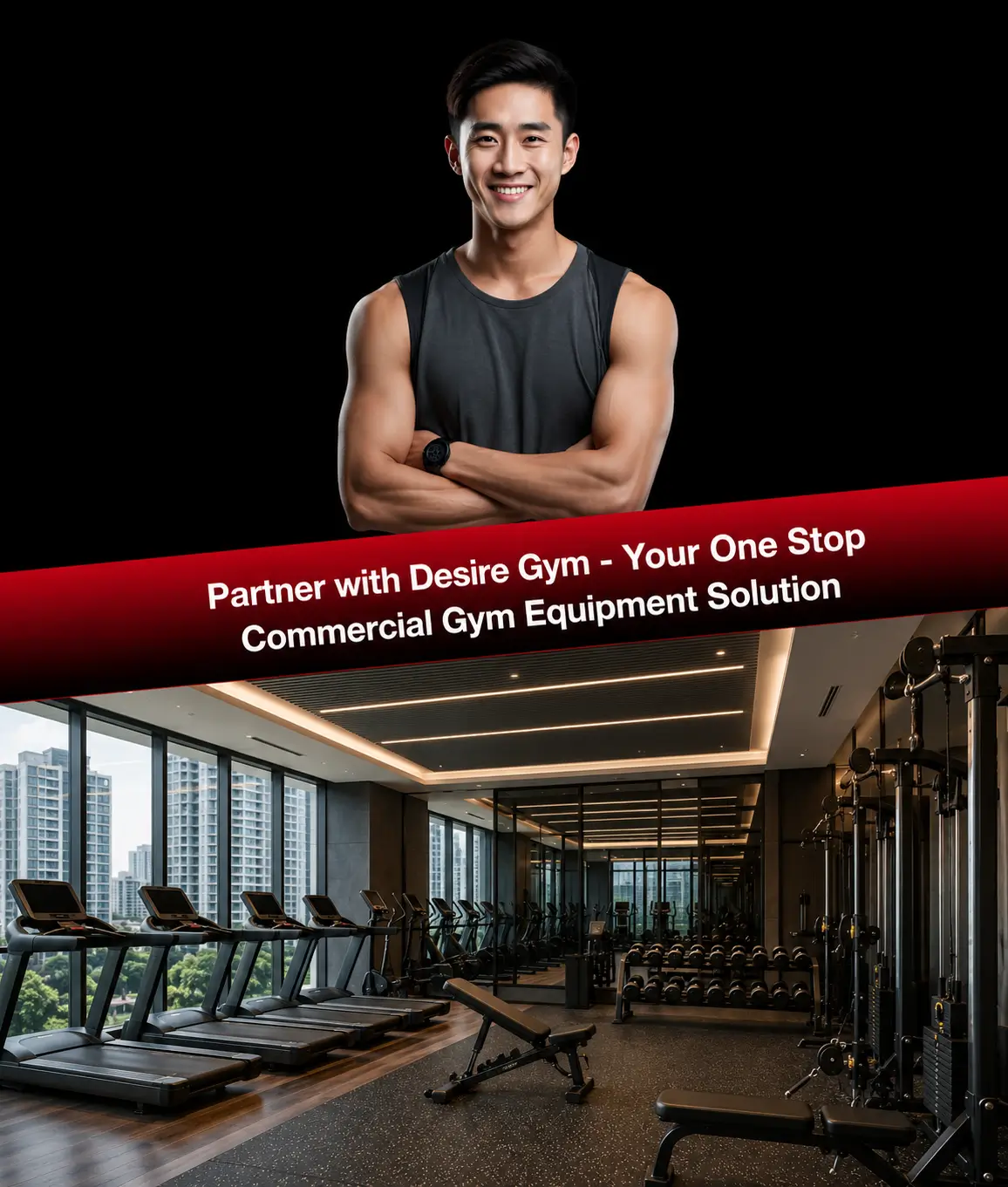
For Malaysian facility owners and procurement teams, strength-equipment planning should begin with the site and the intended use. Compare the available floor area, access routes, storage, expected training activities, manufacturer specifications, service requirements and budget before selecting selectorized equipment, plate-loaded equipment, cable systems, racks, benches or free weights.
What is commercial strength equipment?
For this guide, “commercial strength equipment” means strength-training equipment that a manufacturer or supplier identifies as suitable for commercial or shared-facility use. This can include selectorized machines, externally loaded or plate-loaded machines, cable or multi-station systems, racks, benches and free weights. The intended-use classification should be checked for each exact model.
Simple definition
Commercial and home-use products can differ in intended-use classification, dimensions, adjustment systems, warranty terms and service requirements. Buyers should compare the documentation for the exact products being considered rather than assume that every machine carrying a “commercial” label has the same construction, capacity or maintenance needs.
Core categories
Selectorized equipment typically uses a built-in resistance stack or other integrated resistance system, with adjustment features determined by the specific model. The movement path, resistance range, adjustment points and intended use should be checked in the manufacturer documentation.
Plate-loaded equipment uses compatible external weight plates rather than relying only on a built-in stack. Buyers should verify the required plate type, starting resistance, maximum training load, dimensions and operating clearances for the exact model.
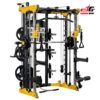
Functional-training and cable systems can provide multiple exercise positions or attachment options, depending on the model. Compare the cable positions, included or compatible attachments, resistance system, dimensions and manufacturer instructions for the exact unit. For a broader equipment comparison, see Strength Training with Equipment – Free Weights or Machines.
Why mix matters
Different facilities may choose different equipment combinations, but there is no single prescribed mix for a hotel, condominium, studio or commercial gym. The selection should follow the facility’s intended use, available space, user policy, storage, staffing or supervision arrangements, equipment specifications and budget.
Equipment selection should also account for inspection and service access. Follow the manufacturer’s maintenance and inspection instructions for each model, and leave any operating or service clearance specified for that equipment. DesireGym publishes commercial equipment, installation and after-sales service options that can be discussed against the actual facility and project requirements.
Selectorized equipment vs plate-loaded equipment vs functional training equipment
In short, selectorized equipment is usually the easiest for general users, plate-loaded equipment gives more loading control and a stronger free-weight feel, and functional training equipment offers the widest movement variety for coached or mixed-use training. The right choice depends on who will use the room, how much supervision is available, and how much floor space the facility can dedicate.
| Comparison point | Selectorized equipment | Plate-loaded equipment | Functional / cable equipment |
|---|---|---|---|
| Resistance setup | Usually uses an integrated weight stack or other built-in resistance system; verify the exact model. | Uses compatible external weight plates; verify plate type, starting resistance and maximum training load. | Resistance and adjustment system depend on the cable or functional-training model. |
| Adjustment / setup | Adjustment points and movement path are model-specific. | Users or staff load and remove compatible plates according to the equipment instructions. | Cable positions, handles and attachments vary by configuration. |
| Exercise options | Determined by the specific machine or station. | Determined by the specific plate-loaded movement or station. | Depends on cable positions, attachment compatibility and manufacturer configuration. |
| Space planning | Use the exact static and in-use dimensions plus any manufacturer clearance requirements. | Allow for exact equipment dimensions, loading access and plate storage. | Allow for exact dimensions, movement area, cable travel and attachment storage where applicable. |
| Storage | A built-in stack may reduce plate-storage needs, but accessories may still require storage. | Plan suitable storage for compatible plates and accessories. | Plan storage for any handles, attachments or accessories used with the selected system. |
| Facility suitability | Any category may be used in different facility types when the exact model is suitable for the intended use, available space and operating requirements. Do not choose only by category label. | ||
These categories describe different equipment configurations, not fixed user levels or facility types. A selectorized, plate-loaded or functional-training product can only be judged for a particular site after checking the model’s intended use, dimensions, resistance or loading specifications, adjustment system and the facility’s own operating requirements.
There is no universal starter mix. Build the equipment list from the facility brief, available floor area, intended training activities, storage and access requirements. The Strength Training with Equipment – Free Weights or Machines guide can be used as another comparison point, while final product selection should be based on the exact specifications.
For maintenance planning, follow each manufacturer’s inspection and service instructions rather than applying one interval to every strength machine. Where a model has cables, bearings, upholstery, pins or adjustment points, use the model-specific criteria for inspection, service and replacement.
Which equipment type suits a commercial gym, condo gym, hotel gym, or studio?
No strength-equipment category is automatically the correct choice for one facility type. Start with the facility brief and verify each model against the intended use, available floor area, access, storage, user policy, supervision arrangements, maintenance requirements and budget.
Commercial gym
For a commercial gym, document expected activities, available floor area, equipment zoning, storage, service access and any staffing or supervision policies. Candidate equipment may include selectorized, plate-loaded, cable, rack, bench and free-weight options, but the final combination should be based on the actual facility requirements and model specifications.
Condo gym
For a condominium gym, first confirm room dimensions, access, storage, intended resident use, management requirements and maintenance arrangements. Compactness alone does not establish suitability; compare the exact machine dimensions, operating clearances, intended-use rating and service requirements.
Hotel gym
For a hotel gym, review the hotel’s own facility brief, expected operating model, available space, equipment instructions, storage and support arrangements. Do not assume that selectorized, cable or free-weight equipment is automatically more suitable simply because the site is a hotel.
Studio
For a studio, match the equipment to the actual coaching format, class size, storage, floor area and planned exercises. Functional or cable systems, racks, benches and other strength equipment may be considered where their manufacturer specifications and the studio layout support the intended use.
How much floor space and storage space do these equipment types need?
There is no reliable floor-space figure that applies to an entire equipment category. Use the exact model dimensions, any in-use dimensions, manufacturer clearance instructions, user access, loading space and storage requirements for the machines being considered.
For Malaysian buyers planning a commercial gym, condo gym, hotel gym or studio, map the room before purchase and compare it with the selected equipment specifications. The Gym Layout Planning Malaysia: Space & Safety Guide can be used as a related planning resource.
- Use exact equipment dimensions. Check the manufacturer’s published dimensions for the selected model. Some manufacturers publish both static and in-use dimensions; use whichever measurements are relevant to installation and operation.
- Include access and storage. Plate-loaded equipment may require compatible plate storage and loading access. Cable or functional systems may require storage for approved attachments. Racks, benches and free weights also require suitable storage and operating space.
- Check service and operating clearance. Do not position equipment from footprint dimensions alone. Follow any model-specific operating, maintenance or service clearance requirements and confirm that access routes remain suitable for the facility.
DesireGym’s commercial equipment and installation pages ask buyers to consider available space, site access, equipment dimensions and setup requirements before installation. Those first-party requirements should be confirmed against the exact equipment selected for the project.
How do you choose the right equipment mix for long-term maintenance and use?
Compare model-specific inspection requirements, available parts and service support before purchase. Maintenance workload cannot be ranked reliably from “selectorized”, “plate-loaded” or “functional” labels alone because designs differ between manufacturers and models.
What should you verify before buying?
Review the intended-use classification, manufacturer warranty, dimensions, maximum loads or user limits where applicable, adjustment systems, compatible accessories, parts availability and service documentation. For DesireGym products, also confirm the current service scope and availability for the exact equipment being considered.
Cable, pulley and moving-component checks
If the selected equipment uses cables, pulleys, bearings, pins or other moving components, follow the manufacturer’s inspection, adjustment and replacement criteria. Visible damage, abnormal movement or recurring faults should be assessed using the model-specific service process rather than diagnosed from one symptom alone.
Upholstery and finish care
Use cleaning products and methods approved for the equipment materials. Upholstery, grips, painted or powder-coated surfaces and other finishes can have different care requirements, so avoid applying one cleaning or corrosion-prevention rule to every brand or model.
For ongoing support, see DesireGym’s Gym Equipment Maintenance Service and Gym Equipment Repair Service. The exact scope should be confirmed from the equipment type, condition, location and available parts.
Malaysia practical example: planning a condominium strength area
For a condominium gym in Malaysia, management could begin with the room dimensions, doorway and lift access, intended resident use, storage requirements and the equipment list. A selectorized machine, cable station, rack or bench should only be shortlisted after checking its exact dimensions, intended-use classification, operating clearance, loading requirements and service support. The available room, not the equipment category name, should drive the final shortlist.
DesireGym project context
DesireGym’s published Projects page includes residential, education, municipal and other Malaysian fitness-equipment projects. The page states that project support may include equipment selection, delivery, installation and after-sales services. This supports using actual facility requirements and available space as planning inputs. Exact models, quantities and outcomes should only be published when they are supported by the relevant project records. See DesireGym Projects.
Frequently Asked Questions
What is the main difference between selectorized, plate-loaded, and functional strength equipment?
Which strength equipment is best for a commercial gym in Malaysia?
How much supervision do different commercial strength equipment Malaysia options usually need?
What should facility owners look at for durability and maintenance?
Why do hotels, condos, and studios need different equipment mixes?
References
- International Organization for Standardization — ISO 20957-2:2024 — Stationary training equipment — Part 2: Strength training equipment — Additional specific safety requirements and test methods. This standard covers stationary strength-training equipment with stacked-weight resistance, externally loaded weights and other resistance systems.
- Matrix Fitness — Strength Training Equipment. Matrix’s official strength catalogue shows commercial categories including single-station, multi-station, free weights, plate-loaded equipment and racks/rigs/platforms. Manufacturer information is used only as a product-category example, not as a universal rule for all brands.
- Matrix Fitness — Example plate-loaded product specification. Manufacturer product pages illustrate why exact dimensions, weights and model-specific specifications should be checked instead of relying on category assumptions.
- DesireGym — DesireGym Projects and Commercial Gym Equipment for first-party project and service context.