Boutique Gym & Personal Training Studio Setup Guide in Malaysia
A boutique gym setup Malaysia should focus on a compact, versatile, and budget-aware equipment mix that supports functional training, personal coaching, and small group sessions without copying a full
Quick answer
A boutique gym setup Malaysia should focus on a compact, versatile, and budget-aware equipment mix that supports functional training, personal coaching, and small group sessions without copying a full commercial gym. Prioritise rack, bench, dumbbells, kettlebells, storage, cardio equipment, flooring, and clear space planning, then expand in phases with support from DesireGYM.
Key Takeaways
- Build for flexibility first: combine strength, functional training, and cardio tools that suit personal training studio Malaysia needs.
- Plan the layout early so small gym setup spaces stay open, safe, and easy to coach in.
- Choose equipment that balances budget, durability, and storage, especially for PT studio equipment.
- Start with core essentials, then add more machines or accessories only when your client flow justifies it.

Opening a boutique fitness space in Malaysia is not about filling every corner with machines. It is about choosing the right PT studio equipment, arranging it with smart space planning, and keeping the budget under control while still supporting functional training, coaching, and client comfort. This guide explains what to buy first, how to organise a small gym setup, and how to create a practical plan with guidance from DesireGYM.
What is a boutique gym, personal training studio, or small fitness studio in Malaysia?
A boutique gym is a smaller, specialised fitness space focused on a clear training style, while a personal training studio is usually built for one-to-one coaching or very small sessions. In Malaysia, these spaces are often designed around results-driven coaching, efficient use of floor area, and a more private client experience than a standard open gym.
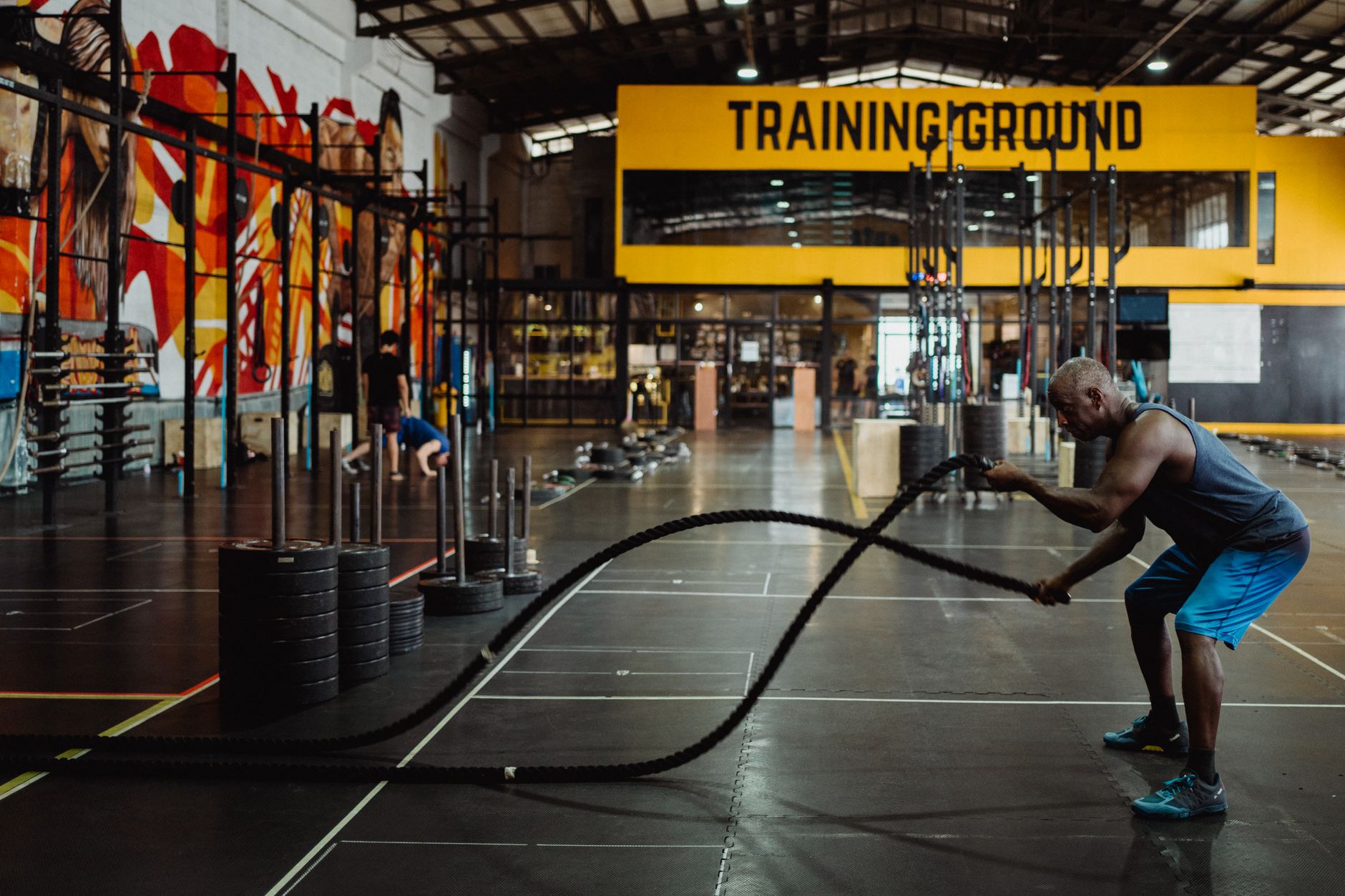
In practical terms, a personal training studio may serve individual clients, pairs, or a few people at a time, with equipment chosen to support coached sessions rather than self-service training. A small fitness studio may include a mix of strength, functional training, mobility, and limited cardio, depending on the programme and target audience. For example, a studio that focuses on fat-loss coaching may lean more on conditioning tools, while one built for strength development may prioritise a rack, bench, dumbbells, kettlebells, and space for movement work.
This is why boutique gym setup Malaysia planning should begin with the training concept, not the equipment catalogue. A studio that offers semi-private coaching, rehab-friendly movement, or small group classes will need a different mix of PT studio equipment than a space built mainly for individual strength sessions. The goal is to match tools to coaching style, session length, and member flow.
Common studio formats in Malaysia include:
- One-to-one coaching spaces for private clients
- Small group training rooms for classes of a few members
- Hybrid studios that combine strength work, functional training, and a modest cardio corner
- Appointment-based setups where equipment turnover must stay smooth between sessions
A small gym setup does not have to mirror a full commercial gym. Instead, it usually focuses on core equipment, clean circulation, safe flooring, storage, and enough flexibility to support multiple session types without crowding the room. That may mean fewer machines, but better planning around use, access, and reset time.
For buyers comparing options, the most practical approach is to define the programme first, then choose commercial gym equipment that fits the studio’s real service model. That helps control budget, avoid unnecessary purchases, and create a more professional client experience from day one with support from DesireGYM.
How should your training concept shape your equipment selection?
Your training concept should lead the equipment list, not the other way around. A studio built for coaching-heavy sessions needs different priorities from a room designed for quick turnover, group pacing, or mixed-use appointments.
| Training model | Coaching style | Member flow | Equipment priorities |
|---|---|---|---|
| Boutique group training | One coach guides several clients through timed stations or circuits | Fast rotation, shared use, frequent resets | Functional training tools, versatile racks, benches, dumbbells, kettlebells, and organised storage |
| Personal training focus | One-to-one or two-to-one sessions with detailed coaching | Slower pace, more individual setup | PT studio equipment that supports strength work, movement correction, and programming variety |
| Hybrid studio model | Mix of private coaching and small group sessions | Needs flexible transitions between formats | Balanced commercial gym equipment, adaptable flooring, and clear circulation space |
Boutique group training
For boutique group training, the room should support smooth transitions and visual coaching. That usually means fewer fixed machines and more flexible tools that can be reset quickly between stations. A rack and bench may anchor strength blocks, while dumbbells and kettlebells give the coach a simple way to scale load for different fitness levels. Because members are moving through the same area in cycles, storage should be close to the training zone so weights do not block access paths.
Personal training focus
A personal training studio Malaysia setup usually benefits from a tighter, more deliberate equipment mix. The coach may need one solid rack, a reliable bench, adjustable dumbbells, and a few functional training items that support mobility, unilateral work, and progression. This approach suits clients who want more attention on technique, so equipment quality and ease of adjustment matter more than volume. If you need help comparing supplier options and product categories, Commercial GYM Equipment can be a useful starting point.
Hybrid studio model
A hybrid layout works best when equipment can serve both solo sessions and small classes without crowding the floor. Here, the decision is less about buying more and more about choosing pieces that share space well. Limited cardio equipment can be enough if your programme uses it for warm-ups, conditioning finishers, or recovery blocks rather than long-duration training. In one study, exercise spaces with structured layouts improved user movement efficiency by 27% (Source, 2022), which is a useful reminder that space planning affects daily operations as much as equipment count.

For any small gym setup, the practical rule is simple: match tools to session design, then add storage, flooring, ventilation, and access routes around that plan. A careful budget can go further when the equipment list reflects how the studio actually trains, not how a large gym might look. DesireGYM can help buyers shortlist the right mix for their format, with phased purchasing options when budget is limited.
What equipment do you need for a small gym setup?
The right equipment for a small studio depends on the training style, but most setups begin with a compact strength base, a few functional tools, and only the cardio units that genuinely support the programme. In a Malaysian small gym setup, the goal is to cover your core sessions efficiently without filling the room with underused machines.
Core strength equipment
For a personal training studio or small group class space, strength equipment should be versatile, durable, and easy to reorganise. A well-planned selection usually starts with:
- Rack: useful for squats, presses, pull-ups, and controlled barbell work; it gives the studio a central strength station without needing multiple machines.
- Bench: a flat or adjustable bench supports pressing, rows, step-ups, and accessory work, making it one of the most flexible items in a compact room.
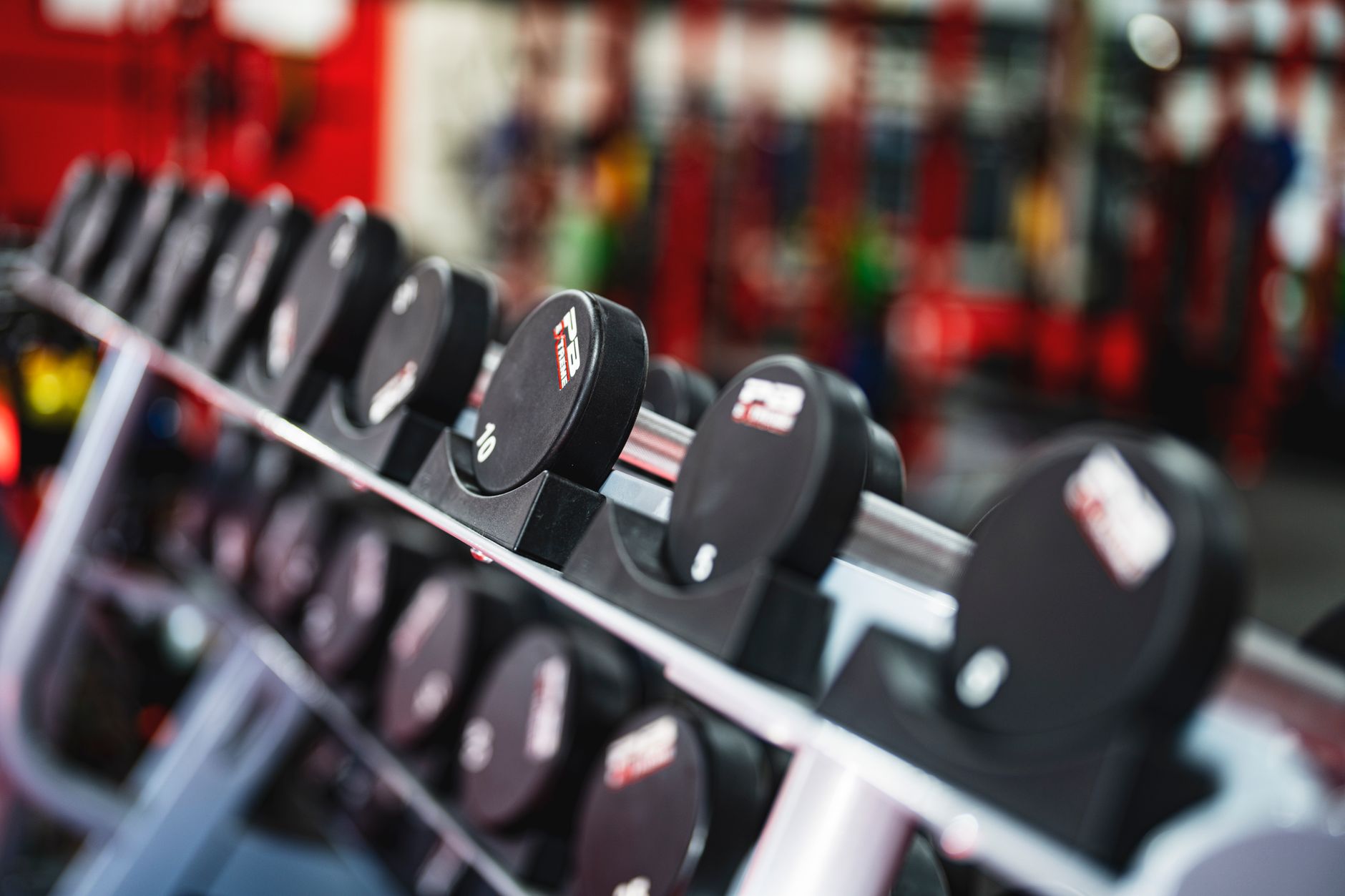
- Dumbbells: ideal for unilateral training, warm-ups, and progressive loading; a complete but sensible weight range is more practical than overbuying.
- Kettlebells: effective for swings, carries, goblet squats, and conditioning circuits, especially when the space must support fast session changes.
- Barbell and plates: suitable when the programme includes compound lifts and coached strength progressions.
- Storage solutions: vertical or wall-based storage keeps the training area clear and reduces clutter around lifting zones.
If you are deciding which strength items deserve first priority, this guide on Top Strength Training Equipment for Modern Gyms in Malaysia can help you narrow the list before placing an order.
Functional training tools
For functional training, choose equipment that can be moved quickly and used in multiple ways. This matters in a PT studio Malaysia format, where one area may need to serve assessment work, coaching drills, and short circuits in the same hour.
- Resistance bands for mobility, activation, and light assistance
- Suspension or cable-based accessories for rows, presses, and core work
- Medicine balls for throwing, rotational work, and partner drills
- Plyo boxes for step-ups, jumps, and conditioning stations
- Floor markers or small training accessories to organise stations during group sessions
These tools are especially useful when the training concept relies on functional training rather than fixed machine circuits.
When limited cardio equipment is enough
Limited cardio equipment is often enough when cardio is used for warm-ups, intervals, or recovery instead of long steady-state sessions. In many small studio models, one or two machines may cover the need if the main offer is coaching-led strength and conditioning.
- A treadmill can support warm-ups, assessments, and general conditioning.
- A bike or rower can provide low-impact options for mixed-ability clients.
- Keeping cardio minimal preserves floor space for coaching, mobility, and circuit work.
For Malaysian operators, the most practical approach is to match equipment to programme demand, then phase in extra units only when usage justifies them. This keeps budget control realistic while still supporting a professional studio experience. DesireGYM can help buyers build that list step by step, with equipment choices that fit space, flow, and long-term use.
How do you plan space, storage, and member flow in a small studio?
Plan the room around movement first, then place equipment and storage where it supports coaching, not where it blocks it. In a personal training studio Malaysia, the best layout is usually one that allows clear entry, a central training zone, and easy access to PT studio equipment without people crossing active workout paths.
Storage and equipment access
Start by separating items into three groups: daily-use, occasional-use, and back-up. Daily-use tools such as dumbbells, kettlebells, and a bench should be easy to reach from the main training zone, while spare items can be stored deeper in the room or in a cabinet. If a rack is part of the plan, leave enough room for loading plates, walking in and out safely, and coaching from the side.
A practical planning sequence is:
- Map the room on paper and mark doors, windows, pillars, and fixed points.
- Place the main training zone first, then position racks, benches, and storage around it.
- Test traffic flow with one coach and one client before confirming the final layout.
- Keep frequently used items within one short reach from the workout area.
- Add storage only after confirming what the programme actually uses.
This approach helps avoid overbuying and keeps the studio flexible as class style changes. It also supports a phased purchase plan, which is often smarter for a new small gym setup with a limited budget. For readers comparing first purchases, Small Home Gym Setup Malaysia: What to Buy First for a Compact Workout Space can help with compact-space thinking before larger orders are placed.
Flooring and noise control
Flooring should protect the building, reduce impact noise, and make the room safer for strength work. Rubber flooring or quality impact mats are commonly used under free weights and functional training zones because they help absorb dropped-load noise and protect the subfloor. In Malaysian commercial units, this matters even more if the studio sits above another tenant or near shared walls.
Where possible, place heavier equipment on the most stable part of the floor and keep open space for coaching demonstrations. This is especially important when the layout includes commercial gym equipment alongside open training areas.
Ventilation and movement paths
Good ventilation keeps the room more comfortable during busy sessions and helps the studio feel less crowded. Use clear paths between the entrance, storage, and training zone so members can move without stepping through active sets. A simple rule is to avoid placing bags, loose accessories, or spare plates in walkways.
For a boutique gym setup Malaysia, the goal is not to fill every corner. It is to leave enough room for safe coaching, easy cleaning, and smooth member flow. That balance is often what makes a studio feel organised, professional, and worth revisiting. DesireGYM can support this stage with product options that fit the room, the training style, and the budget.
How can you phase equipment purchases on a limited budget?
Start with the items that let you open safely and serve the widest range of sessions, then add specialised pieces after you have real usage data. This approach helps keep cash flow under control while still building a professional training space.
What should come first in a phased purchase plan?
Begin with the core setup: one rack, one bench, a basic dumbbells range, a few kettlebells, and the PT studio equipment needed for your main coaching style. If your programme is built around strength and functional training, these pieces usually support the highest number of sessions per square metre without forcing you to overbuy early.
When is it better to delay cardio equipment?
If your concept is mostly strength, coaching, or small-group work, limited cardio equipment can be enough at launch. One or two machines may support warm-ups, recovery, or member variety, but a cardio-heavy purchase is not always the best first step for a personal training studio Malaysia operator. If you want a cost benchmark before buying, see Commercial Gym Setup Cost Malaysia 2026 Guide for a wider view of startup planning and budget allocation.
How do you decide what to buy next?
Use member demand, coach feedback, and actual session patterns. For example, if free-weight stations are consistently occupied, add more storage, another bench, or duplicates of the most used dumbbells and kettlebells before expanding into extra machines. This is usually more practical than buying a full mixed inventory too early.
How can storage help control budget pressure?
Good storage protects equipment, reduces clutter, and makes a small gym setup easier to run. Vertical storage for plates, accessories, and smaller items can delay the need for additional floor space, which helps you spend on training value instead of unnecessary duplication.
What is a sensible way to balance quality and cost?
Prioritise commercial gym equipment that will be used daily and choose sturdy, easy-to-maintain pieces first. Then phase in higher-cost additions once the layout, member flow, and class format are proven. That keeps the budget focused on the equipment that matters most in the first operating months.
How does DesireGYM support phased buying?
DesireGYM can help you shortlist practical items for each stage, from a starter rack and bench combination to storage, dumbbells, kettlebells, and selected cardio options. If you are planning a fitness space in Malaysia, add to cart or WhatsApp to know more.
For buyers building a new studio in stages, the team can help match the right equipment mix to your budget, space, and training plan. If you are comparing options for a reliable setup, DesireGYM is ready to support your purchase decisions with practical product guidance and flexible choices.
Frequently Asked Questions
What is the difference between a boutique gym, a PT studio, and a small group training studio?
How does my training concept affect equipment selection for a boutique gym setup Malaysia?
What equipment is essential for a compact boutique gym or PT studio?
When is limited cardio equipment enough for a boutique gym setup Malaysia?
How should I plan flooring, storage, and purchasing in phases for a new studio?
References
- Department of Occupational Safety and Health Malaysia — Occupational Safety and Health Act 1994 (Reprint Version 1.6.2024) — Department of Occupational Safety and Health Malaysia — Occupational Safety and Health Act 1994 (Reprint Version 1.6.2024)
- Companies Commission of Malaysia (SSM) — Registration Services Division — Companies Commission of Malaysia (SSM) — Registration Services Division
- Shah Alam City Council (MBSA) — Composite Licensing (Business / Industry) — Shah Alam City Council (MBSA) — Composite Licensing (Business / Industry)
- Ministry of Health Malaysia — Stay Active Even During Haze Conditions — Ministry of Health Malaysia — Stay Active Even During Haze Conditions