Free Weight Zone Planning Guide Malaysia: Dumbbells, Barbells, Benches & Storage
Free weight equipment Malaysia refers to the core strength-training setup used in gyms, including dumbbells, barbells, Olympic barbell options, weight plates, benches, squat rack, and storage. For a c
Quick answer
Free weight equipment Malaysia refers to the core strength-training setup used in gyms, including dumbbells, barbells, Olympic barbell options, weight plates, benches, squat rack, and storage. For a commercial free weight zone, the right mix should support user flow, safe equipment inspection, weight progression, durable gym flooring, and easy maintenance.
Key Takeaways
- Plan the free weight zone around clear user flow, not just equipment quantity.
- Choose a balanced mix of dumbbells, dumbbell rack, barbells, Olympic barbell, benches, squat rack, and weight plates.
- Include practical storage and gym flooring to support cleanliness, organisation, and daily inspection.
- Match the setup to commercial gym equipment needs and the member profiles you serve.
This guide explains how to build a commercial free weight zone that is practical for Malaysian gym operations, from layout and equipment selection to storage and upkeep. It will help you choose free weight equipment Malaysia buyers can use confidently across different training needs and experience levels. You will also see how DesireGYM can support procurement decisions with a broad range of commercial gym equipment for reliable, organised setups.
What is a commercial free-weight zone and who is it for?
A commercial free-weight zone is the part of a gym set aside for independent strength work using dumbbells, barbells, benches, plates, and related storage. It is designed for consistent, high-traffic use by many members, not just one training style or one user type.
Purpose of the zone
Its main purpose is to give members a practical area for lifting with enough structure for daily operations, clear movement, and easy upkeep. In a well-planned commercial free weight zone, the layout should support quick access to equipment, straightforward re-racking, and simple inspection at opening, peak hours, and closing.
This matters for Malaysian facilities that want free weight equipment Malaysia buyers can place into a busy floor plan without creating clutter. The zone usually includes dumbbells, a dumbbell rack, barbells, an Olympic barbell, weight plates, benches, a squat rack, storage, and gym flooring that can handle repeated placement of heavy items.
Main user groups
This zone is for a broad mix of members, including beginners who need simple, visible equipment choices, general fitness users who train with moderate loads, and experienced lifters who rely on predictable setup and weight progression. It is also useful for personal training sessions, small-group coaching, and members who prefer a self-directed workout area.
For procurement teams, the key is not to build for one person’s routine, but to choose commercial gym equipment that matches traffic, turnover, and the range of users expected at different times of day. A practical check list can help the team confirm whether the zone includes the right items for the facility type Commercial GYM Equipment.
How the zone fits into the full gym
The free-weight area usually sits alongside cardio, selectorized machines, and functional training spaces, so the full gym feels connected rather than crowded. It should be positioned for clear user flow, with enough room for members to move between benches, racks, and storage without blocking walkways or other training zones.
In a Malaysian gym, this part of the floor often becomes a core training hub because it supports flexible use across member profiles. DesireGYM can help the team plan a setup that fits daily operations, supports equipment inspection, and keeps the space organised as membership demand changes over time.
How do you choose dumbbells and plan weight progression?
Choose dumbbells that match your main user groups first, then build a progression range that supports steady use without overcrowding the rack. In a commercial gym, the best setup is usually one that gives beginners a manageable start, intermediate users enough steps to progress, and staff an easy way to keep order.
Selecting starting points for different users
A practical starting point is to map your member profile before buying. If your space serves office workers, mixed-gender general fitness users, or personal training clients, the first pairs should cover light to moderate options rather than only heavier ends. For facilities with a stronger strength-training audience, the upper end of the rack should be expanded more gradually, while still keeping the lower end accessible.
| User profile | Suggested setup approach | Why it helps buying decisions |
|---|---|---|
| New or returning users | More light and mid-range pairs | Makes the zone easier to use without large gaps |
| General fitness members | Balanced spread across common working sizes | Supports broad use across warm-ups and main lifts |
| Training-focused users | Wider top-end selection with fewer duplicate light pairs | Better for heavier routines and frequent repeat visits |
| Compact facilities | Tighter range with high-turnover sizes | Reduces floor clutter and storage pressure |
The same planning logic applies to other pieces in the zone, especially if you are aligning the dumbbell area with benches, barbells, and a squat rack. For a wider procurement view, see Commercial Strength Equipment Malaysia Guide.
Why progression matters in a commercial setting
Progression is not just about performance; it is about keeping the equipment useful as members improve. A well-planned rack reduces waiting time, helps members move up in manageable steps, and lowers the chance that users feel forced to jump too far between sizes.
That is why many buyers choose a laddered range instead of isolated pairs. For example, a facility may prioritise closer spacing in the lighter and mid-range hand weights, then widen the spacing at the heavier end where fewer users need every single increment. This approach supports weight progression while keeping storage more realistic.
A commercial free-weight zone also benefits from clear re-racking habits. Staff should be able to see when a pair is missing, returned incorrectly, or placed out of order, because that affects user flow and daily housekeeping. DesireGYM can advise on dumbbell rack layouts that suit traffic levels and available storage.
For procurement, the main question is simple: will the range serve the users you expect today, and still feel workable as demand changes? If the answer is yes, the setup is more likely to deliver value over time.
What equipment should a free-weight zone include?
A practical commercial free-weight zone should combine dumbbells, barbells, an Olympic barbell, weight plates, benches, a squat rack, and enough storage to keep everything organised and easy to return. The right mix depends on your target users, traffic level, and available floor area.
For buyers comparing free weight equipment Malaysia, the aim is not to fill the room with every possible item. It is to create a balanced setup that supports safe access, smooth user flow, and straightforward maintenance.
Dumbbells and dumbbell rack
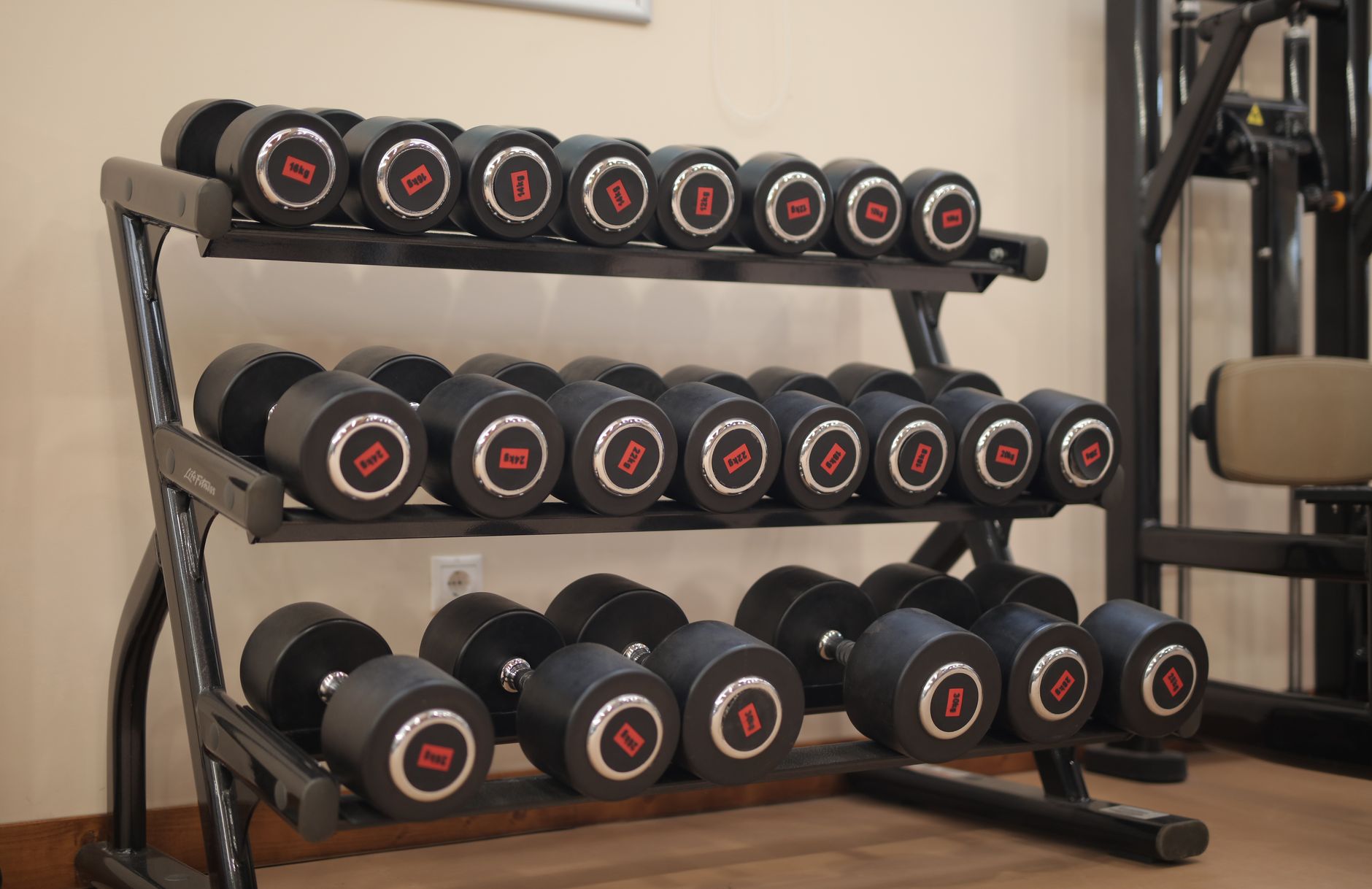
- Dumbbells are the most frequently used hand weights in a commercial free-weight zone. They should be selected as a complete or near-complete range that matches your user profile, with closer steps in the lighter and mid-range sizes for better weight progression.
- A dumbbell rack keeps pairs visible, sorted, and easier to re-rack. This reduces clutter and makes stock checks faster for staff.
- For planning, consider how many users will share the zone at peak times, because higher traffic usually needs better rack organisation and more return space.
- If the facility serves mixed users, choose a range that is practical for general training rather than assuming one style of use. DesireGYM can help align the rack layout with expected demand.
Barbells, Olympic barbell, and weight plates
- Standard barbells are useful for general strength work and can support a broader range of training needs.
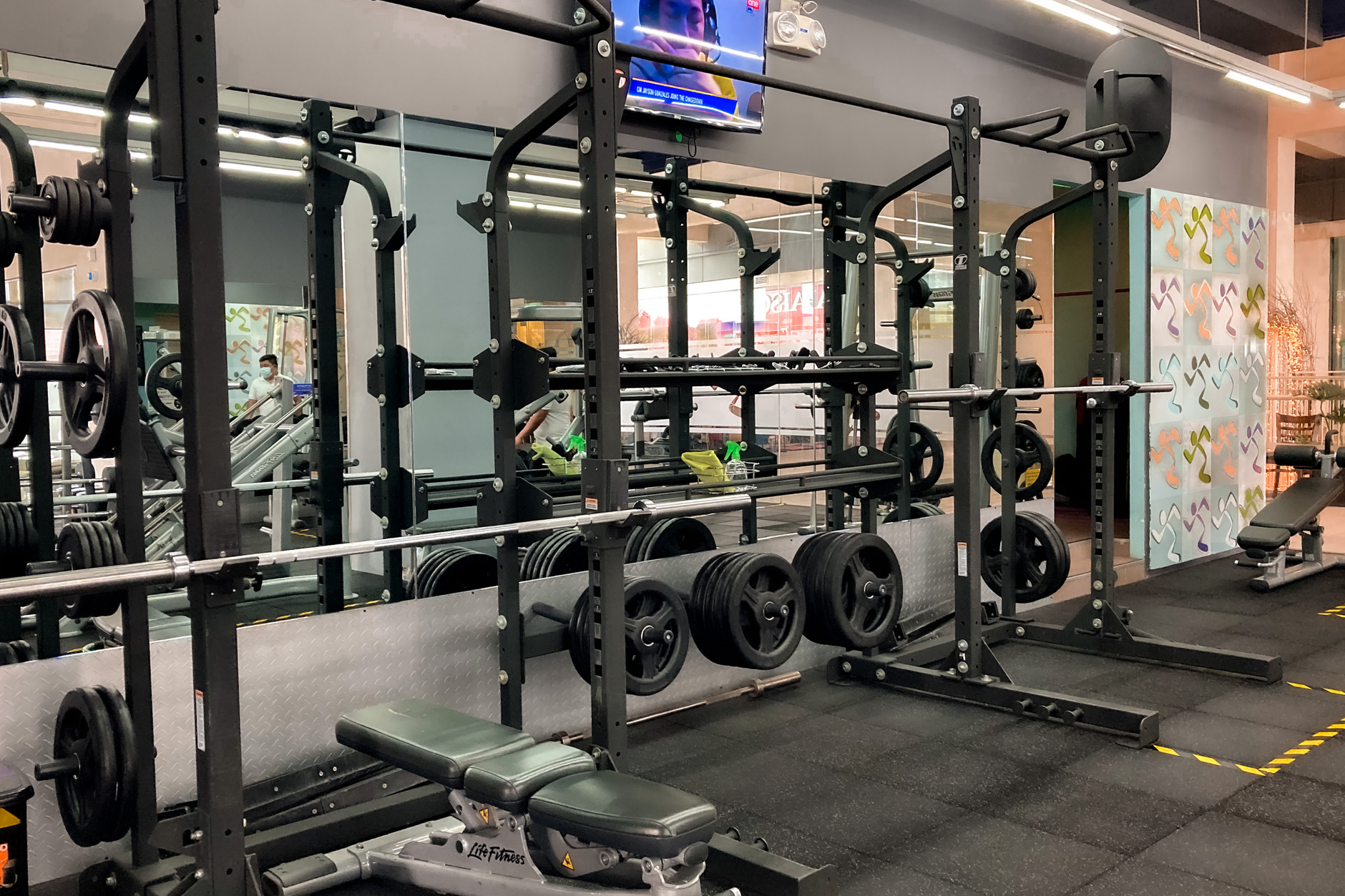
- An Olympic barbell is the main bar type for commercial lifting areas, especially where plate-based training is expected. It should be matched with compatible weight plates and secure storage.
- Weight plates should be easy to identify, stack, and return to their holders. It is better to plan plate storage close to the lifting area so users do not carry them across the room.
- If the zone will serve multiple users at once, allow enough plate quantity for normal turnover without leaving the area overcrowded. This is where Commercial Strength Equipment Malaysia Guide becomes useful for buyers planning the wider strength floor.
Benches and squat rack
- Benches give the zone flexibility for pressing, seated movements, and general strength use. Choose stable models that fit the available footprint and allow easy repositioning where needed.
- A squat rack supports barbell work and should be placed where users can load, lift, and clear the area without blocking other stations.
- Both items require clear surrounding space for access, spotting, and movement between stations. This also supports better user flow during busy periods.
Storage and flooring considerations
- Storage is not optional in a commercial setup. Plates, bars, and accessories should have defined places so re-racking becomes part of the daily routine.
- Gym flooring should protect the base surface and help manage impact from dropped weights. It also makes cleaning and inspection more practical in the long term.
- Regular equipment inspection should cover bench stability, rack condition, bar straightness, collar function, and visible plate wear. This helps the team spot issues early and keep the zone ready for use.
How should you plan storage, user flow, and gym flooring?
Plan these three elements together: storage should make re-racking obvious, user flow should keep lifting areas from crossing paths, and flooring should support the expected impact in each zone. For a commercial free-weight zone, the layout should reduce clutter, protect the base floor, and make cleaning and inspection easier for the team at DesireGYM.
Re-racking and storage discipline
Good storage starts with placing the most-used items where they are easy to return after each set. Keep the dumbbell rack close to the dumbbell area, with plates and bars stored in clearly marked locations so users do not leave equipment on the floor or across walkways.
- Group storage by category: dumbbells, Olympic barbell bars, plates, and small accessories should each have a fixed place.
- Put storage at the edge of the lifting area, not in the main walking line, so users can re-rack without stopping traffic.
- Use visible labels or painted floor markers if needed, especially in a busy commercial free-weight zone.
- Check that storage points stay easy to reach during peak hours, so re-racking remains practical rather than optional.
Space planning and circulation
User flow should feel direct and simple. A person should be able to enter, pick up equipment, train, re-rack, and exit without passing through another station in a confusing way. This is especially important when benches, squat rack positions, and plate storage sit close together.
A useful reference for broader room planning is . In practice, the circulation path should keep loading areas away from waiting space and avoid bottlenecks near the main strength floor.
- Place walkways so members can move between benches, bars, and storage without backtracking.
- Leave enough clear approach space around each station for loading and unloading.
- Separate active lifting spots from standing traffic, water stops, and access points where possible.
- Review the flow during busy periods and adjust station placement if users begin gathering in one narrow area.
Floor protection and impact areas
Gym flooring should be selected for both protection and maintenance. Thicker rubber tiles or rolls are commonly used in lifting areas because they help manage wear, reduce noise, and protect the subfloor from repeated plate contact. Impact zones near heavy lifts may need extra reinforcement compared with general walking areas.
Plan flooring by use rather than by the entire room. The area under benches, the rack zone, and the plate-loading side of the station may face different stress levels, so a practical layout should reflect that. Inspect seams, edges, and compressed spots regularly, especially where dropped weights and frequent foot traffic are concentrated. Proper flooring also makes the zone easier to clean, which supports daily readiness and longer equipment life.
How do you inspect and maintain free-weight equipment?
Regular inspection should be simple, scheduled, and recorded. A commercial free-weight zone works best when staff check key items before opening and again during busy periods, so faults are caught early and the area stays reliable for members.
Daily or weekly inspection points
Look for obvious wear, looseness, and instability on the main touchpoints. In a well-managed fitness centre, inspections should cover surface damage, missing parts, unusual movement, rust, and anything that affects safe handling or storage. A short checklist is usually enough if it is done consistently.
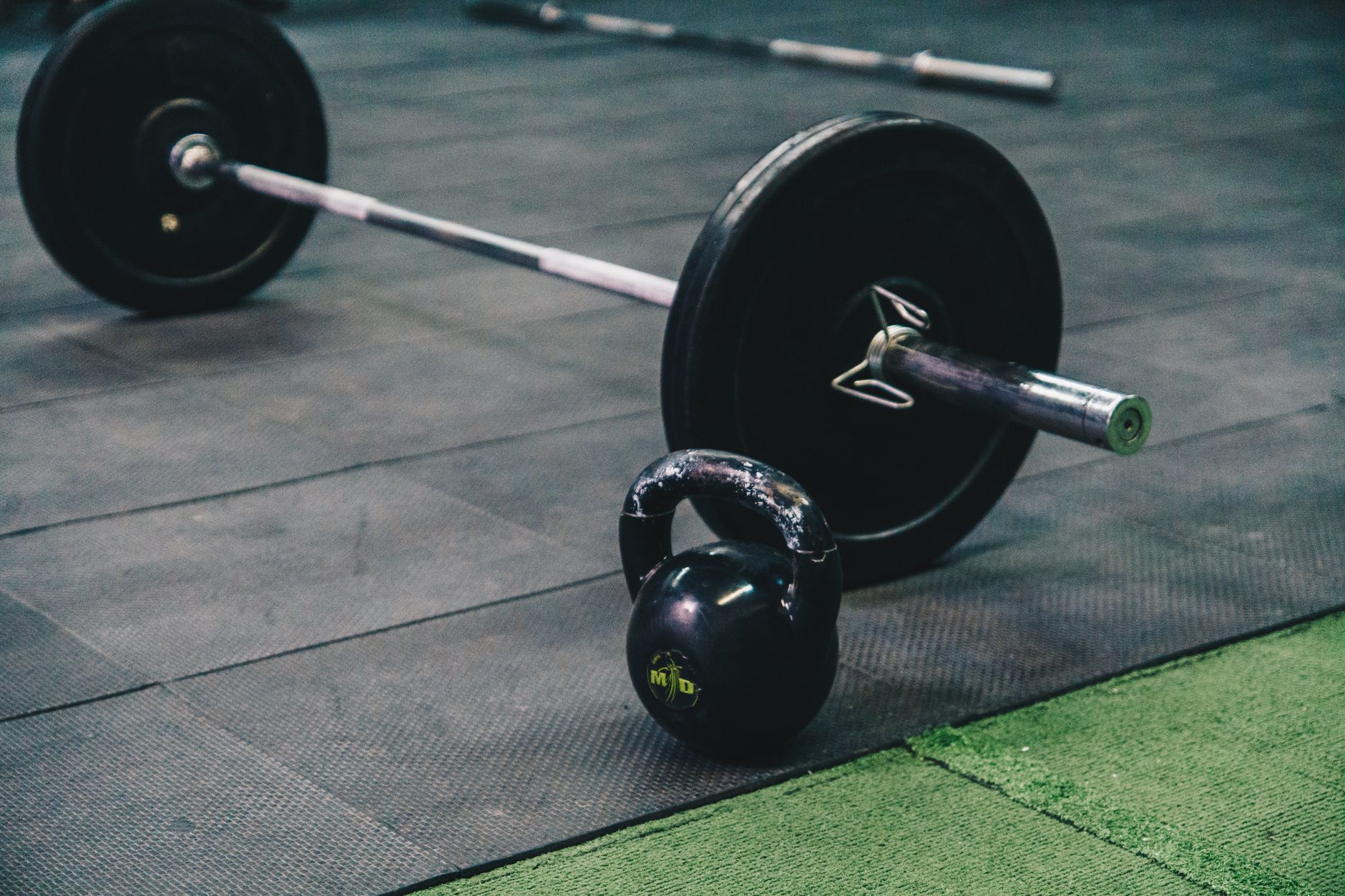
What to check on benches, racks, bars, and plates
What should staff inspect on benches?
Check the frame for wobble, loose bolts, torn upholstery, unstable adjustment points, and damaged foot pads. A bench should feel solid under normal use, with no side-to-side play that could affect setup or comfort.
What should staff inspect on racks and squat stations?
Check uprights, safety arms, J-hooks, pins, weld points, and fasteners for bending, cracks, or shifting. The squat rack should not rock on the floor, and contact points should be visibly intact. Any unusual noise during reracking needs attention.
What should staff inspect on bars and Olympic barbell units?
Check sleeves for smooth rotation, knurling for excessive wear, shaft straightness, and collars for secure function. If a bar feels uneven, binds during loading, or shows visible bending, remove it from use until assessed.
What should staff inspect on weight plates?
Check for chipped edges, cracked inserts, loose centre holes, and unreadable markings. Plates should seat cleanly on the bar and stack properly on storage posts without forcing.
When to replace or isolate damaged items
Any item with structural damage, sharp edges, or unstable performance should be isolated immediately, not “used for now.” Replacement is especially important when repairs are not straightforward or when repeated faults return after tightening or adjustment. In a commercial gym equipment setting, clear tagging helps staff avoid accidental reuse and keeps maintenance records organised.
For planning purposes, document inspection results, cleaning needs, and repairs in one log. That makes it easier to track weight progression issues linked to wear, compare station condition over time, and prioritise spending on the most-used items. The team at DesireGYM can help buyers choose dependable storage, benches, bars, and plates that suit real Malaysian operating conditions.
If you are reviewing your next upgrade, add to cart or WhatsApp to know more about reliable options for your free-weight zone.
Frequently Asked Questions
How much space should a commercial free-weight zone have for safe user flow?
How do I choose dumbbell weights for different gym members?
What equipment should a commercial free weight zone include besides dumbbells?
How often should benches, racks, bars, and plates be inspected?
What flooring is best for protecting a free weight area from dropped weights?
References
- Department of Occupational Safety and Health (DOSH) Malaysia — Department of Occupational Safety and Health (DOSH) Malaysia
- DOSH Malaysia — DOSH Malaysia
- Occupational Safety and Health Administration (OSHA) — Occupational Safety and Health Administration (OSHA)
- CDC/NIOSH — CDC/NIOSH
- ADA.gov — ADA.gov