Self-Powered vs Plug-In Cardio Equipment for Commercial Gyms
Self powered vs powered cardio equipment comes down to facility planning: self powered and self-generating machines reduce reliance on power outlets and can offer more placement flexibility, while plu
Quick answer
Self powered vs powered cardio equipment comes down to facility planning: self powered and self-generating machines reduce reliance on power outlets and can offer more placement flexibility, while plug-in cardio machines usually support fuller console features and steady operation for busy commercial gyms. For Malaysia, the right choice depends on electrical layout, maintenance needs, and the user experience you want to provide.
Key Takeaways
- Self powered and self-generating cardio equipment can help reduce dependence on fixed power points.
- Plug-in cardio machines often support richer console features and continuous powered functions.
- Placement flexibility, outlet access, and maintenance planning matter as much as the machine type.
- Commercial gyms, hotel gyms, condo gyms, and 24-hour gyms may need different equipment mixes.

For Malaysian facility buyers, choosing between self powered, self-generating, and plug-in cardio equipment is mainly a planning decision, not just a product choice. This guide explains how electrical layout, console features, placement flexibility, maintenance needs, and user experience affect commercial gyms, hotel gyms, condo gyms, office fitness rooms, and school facilities. It also helps you compare practical options with support from Desire Gym / DesireGYM, so you can shortlist equipment with confidence before you add to cart or WhatsApp to know more.
What is the difference between self powered vs powered cardio equipment?
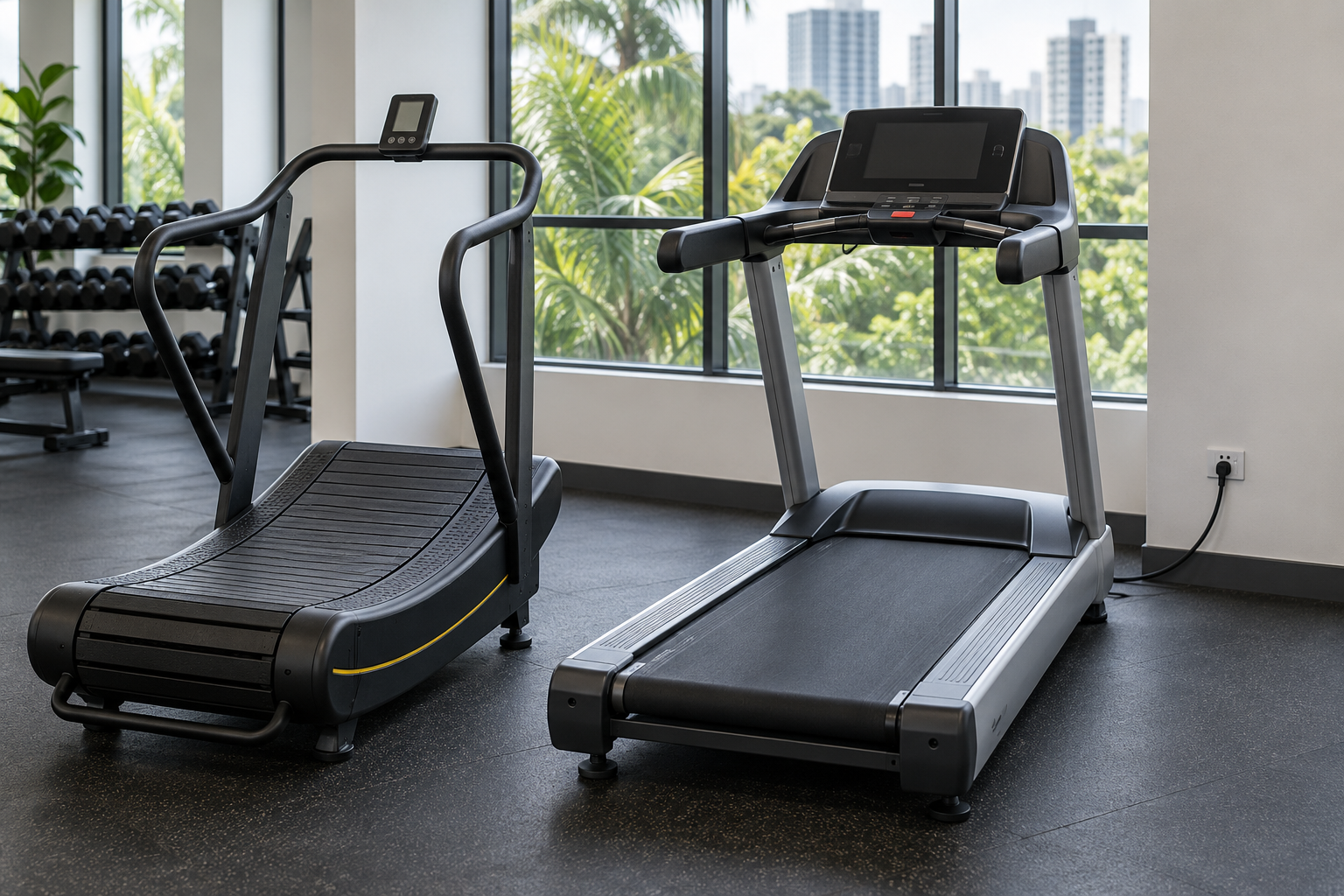
Self-powered cardio equipment runs from the user’s movement, while powered cardio equipment needs a wall socket for some or all of its functions. In practice, the difference is not just about electricity; it also affects console features, motor assistance, and where each machine can be placed in a commercial gym.

Simple terminology for buyers
For buyers, the labels can be confusing because self-generating cardio equipment and non-motorised equipment are not always the same thing. A non-motorised machine relies on the user to create all movement, while a self-generating model may still use a battery or internal generator to support the console. Plug-in cardio machines, on the other hand, usually draw power from the outlet to run motor-driven functions or a fuller display.
That means the right choice depends on the exact machine type and model, not just the headline category. For example, a self-powered rowing machine may behave very differently from a plug-in treadmill or a console-heavy bike. In a commercial gym, the practical question is whether the unit needs nearby power outlets, what the user sees on the screen, and how the equipment fits into the room layout.
For Malaysia’s commercial buyers, this matters in spaces such as a 24-hour gym, hotel gym, or condo gym, where layout and access can be tight. A self-powered unit can reduce dependence on fixed sockets, while a powered unit may be better if the facility wants more advanced tracking, programme options, or a steadier electrical supply for the display and controls.
Why the model manual matters
The manufacturer manual is the safest source for technical claims because the same product family can have different power requirements across versions. Manuals typically confirm whether the machine is self-powered, battery-assisted, or plug-in, and they also explain what the console can do when mains power is available.
This is important because a buyer should not assume all commercial cardio equipment works the same way. One model may keep basic metrics visible without a socket, while another may need constant power for incline control, resistance changes, or screen functions. The manual can also show maintenance points such as battery replacement, adapter requirements, and any warning about placement near moisture or heat.
When comparing options with the team at Desire Gym / DesireGYM, it helps to check the manual before you shortlist equipment for a hotel gym, condo gym, or busy commercial floor. That way, you can match the machine to the outlet plan, the user flow, and the experience you want to deliver before you add to cart or WhatsApp to know more.
Which cardio machines are self-generating and which need mains power?
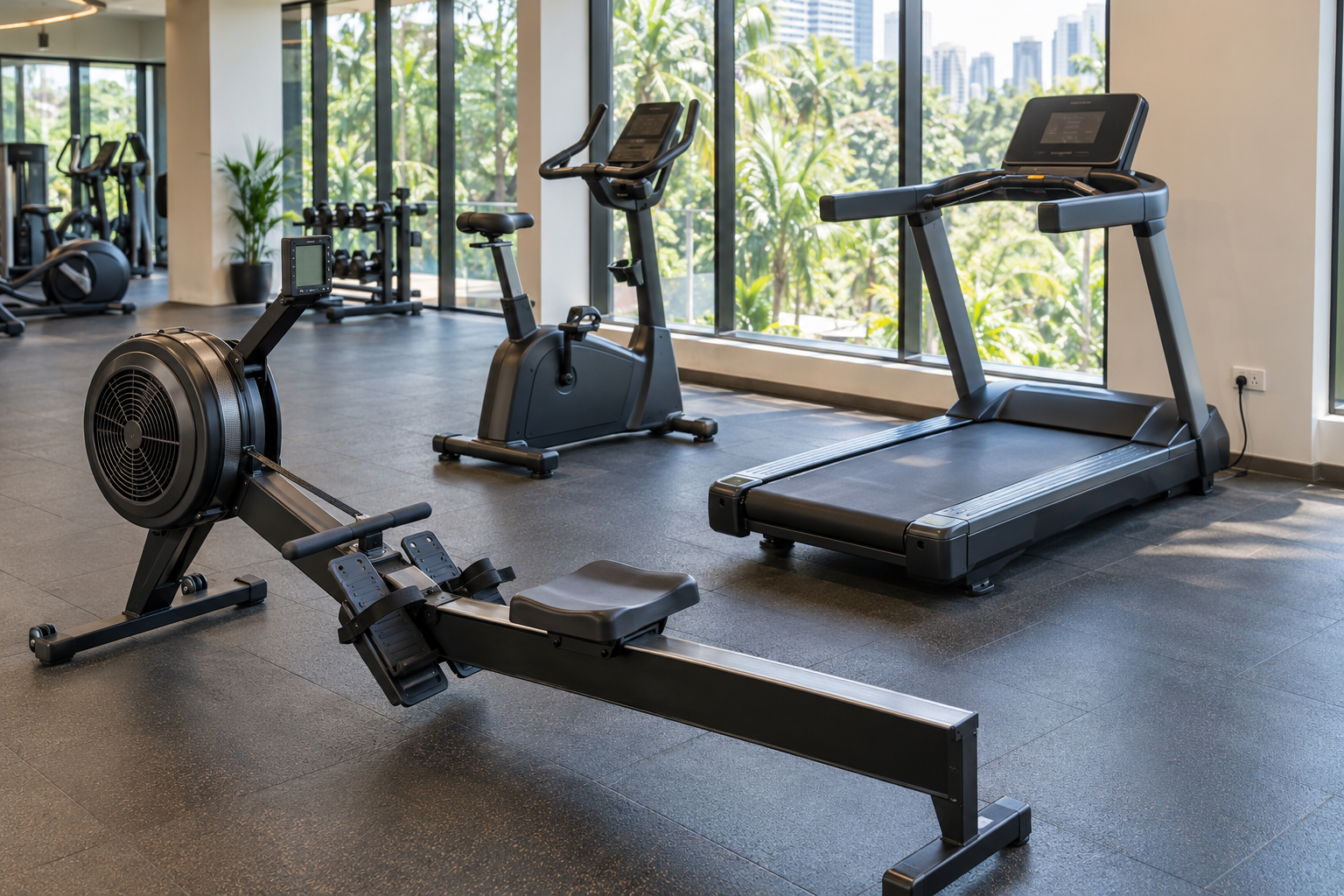
Self-generating cardio equipment usually includes machines where the user’s movement helps power the console or resistance system, while plug-in cardio machines depend on mains power for the display, controls, or motor-driven functions. The exact setup depends on the machine type and the specific model, so the manual should always be checked before purchase.
Common machine categories
| Machine category | Typical power dependence | Console and control notes | Planning implication |
|---|---|---|---|
| Treadmills | Usually plug-in, especially for motorised decks and incline systems | Often need mains power for speed control, incline adjustment, and richer display features | Place near power outlets and confirm circuit planning for the chosen unit |
| Bikes | Some are self-generating or battery-assisted, while others are plug-in for advanced consoles | Basic displays may run with limited power, but premium screens and workout menus often need mains supply | Useful for flexible layouts, but check whether the console needs a socket |
| Rowers | Often self-powered in air or magnetic resistance designs, though some models still use mains power for extra electronics | Screen functions can range from basic metrics to more advanced programme tracking | Good for zones where outlet access is limited, if the model supports it |
| Air bikes | Commonly self-powered, with the fan wheel driven by user effort | Console functions are usually simpler, but some models add powered readouts or interval modes | Helpful for open-floor placement and quick repositioning |
| Ellipticals | Frequently plug-in, especially when stride settings, incline, or screen features are powered | More advanced models may require constant power for resistance changes and console extras | Check outlet proximity before setting the final layout |
| Stair/cardio equipment | Commonly plug-in when step speed, screen, or resistance controls are electronically managed | Larger consoles and programme menus usually rely on mains power | Best planned with stable electrical access and service clearance |
For buyers comparing models across one floor plan, the wider Commercial GYM Equipment range can help narrow the right machine mix for a hotel gym, condo gym, or 24-hour gym.
What can vary by model
The same category can behave differently from one unit to another. A commercial bike may show only basic time and distance on battery power, while another version may need mains power for full console features, heart-rate integration, or preset programmes. Likewise, some rowers and air bikes are truly self-generating, but other variants add powered screens, Bluetooth functions, or auto-adjust features that change the electrical plan.
This is why the manual matters more than the category name. It can confirm whether the unit is non-motorised, self-generating, battery-assisted, or plug-in, and it can also explain any requirements for outlet location, adapter use, or low-power standby mode. For facility planning, that means you can balance placement flexibility with the console features your users expect, without assuming every machine in the same class works the same way.
For Malaysian buyers, this detail is especially useful when choosing equipment for a hotel gym, condo gym, or busy commercial floor where outlet access, traffic flow, and maintenance access all affect the final layout. If you are shortlisting units, check the manual first, then add to cart or WhatsApp to know more with confidence.
Self powered vs powered cardio equipment: comparison table for commercial gyms
In practical terms, self-powered units reduce reliance on nearby power outlets, while plug-in cardio machines can support motor-driven operation or richer powered consoles depending on the model. The right choice depends on the machine type, the user experience you want, and what the manufacturer manual confirms.
| Comparison point | Self-powered / self-generating option | Plug-in option |
|---|---|---|
| Placement flexibility | Easier to place where outlet access is limited, which can help with open-floor layouts and traffic flow | Best placed near planned power points, so the floor plan must account for cable runs and socket access |
| Console features | Often supports essential readouts only, though some models still add battery-backed or low-power functions | More likely to support richer displays, preset programmes, Bluetooth, heart-rate integration, and powered extras |
| Maintenance considerations | Fewer electrical dependencies at the point of use, but moving parts still need routine care and inspection | Needs attention to both mechanical upkeep and electrical planning, including cords, adapters, and outlet condition |
| User experience | Good for straightforward training and flexible placement, especially where equipment must be repositioned more often | Better suited to users who want more interactive feedback or automated features on the console |
| Electrical planning | Useful when the gym wants to minimise dependence on wall sockets in high-traffic zones | Requires a clearer outlet map, especially for rows of machines in a hotel gym, condo gym, or 24-hour gym |
| Technical definition | May be non-motorised, self-generating, or battery-assisted; these are not always the same thing | May be mains-powered for drive functions, console power, or both, depending on the manual |
For commercial buyers, the safest approach is to check the manual before assuming a unit is fully self-generating or fully plug-in. That is especially important for commercial cardio equipment in mixed-use spaces where access, cleaning routes, and supervision all matter. A manual may also note standby power use, permitted adapters, or whether the display needs mains power even if the movement does not.
In real purchasing terms, this difference can affect how the floor feels to users and how the team plans installation. A row of plug-in machines may need more electrical coordination, while self-generating units may give more placement freedom near entrances, mirrors, or circulation zones. The trade-off is often console depth and feature set, not just power source.
For Malaysian facility planning, this is why the provider should compare model by model, not by category name alone. That is the most reliable way to balance user expectations, outlet planning, and long-term maintenance across a hotel gym, condo gym, or 24-hour gym. If you are comparing options for your site, review the manual, then choose the setup that fits your layout and training goals with confidence.
How should you plan power outlets, placement, and maintenance?
Start by matching each machine to its actual power requirement, then plan outlet access around the room layout and servicing path. For a mixed commercial cardio floor, that usually means checking the manual first, then confirming where plug-in cardio machines need mains access and where self-generating units can be positioned more freely.
Electrical planning basics
- Check the manual for each model. Do not assume every unit in the same category uses power the same way. Some consoles, incline systems, resistance controls, or entertainment features may still require mains support even when the drive system is not motorised. Manufacturer manuals are the best reference for input power, standby needs, adapter use, and installation limits.
- Map outlet locations before ordering. Mark wall sockets, floor boxes, cable routes, and nearby obstacles on the floor plan. This helps avoid extension leads across walking zones and reduces last-minute changes during installation. If you are comparing options for a hotel gym, condo gym, or 24-hour gym, this is where a provider can save time with a model-by-model checklist. Commercial GYM Equipment
- Decide placement by user flow, not only by power. Self-generating cardio equipment can offer more placement flexibility near mirrors, windows, reception lines, or open circulation areas because it is less dependent on nearby power outlets. Plug-in units may work better along perimeter walls where electrical access is easier and cable management is cleaner.
Operational and service considerations
- Plan for service access. Leave enough clearance so technicians can inspect the console, wiring, pedals, belts, or drive system without moving the whole row of machines. This matters in compact Malaysian facilities where equipment spacing is tight.
- Expect different upkeep needs by model. Maintenance may include checking cords, plugs, display connections, cleaning around electrical points, and replacing wear items. A self-generating unit is not maintenance-free, and a powered unit is not automatically difficult to service; the workload depends on the exact build and usage level.
- Review console features against your site goals. If the gym wants richer display options, preset programmes, tracking, or connectivity, a powered console may be more suitable. If the priority is flexible positioning and simpler installation, the other option may fit better. In both cases, the manual should guide final confirmation before purchase.
For practical buyers, the safest approach is to align outlet planning, machine placement, and service access before checkout. That is often the difference between a smooth install and repeated repositioning later, especially for commercial gym equipment in Malaysia. If needed, DesireGYM can help the team compare models and prepare the floor layout before you add to cart or WhatsApp to know more.
Which option suits a 24-hour gym, hotel gym, condo gym, office, or school?
The right choice depends on how often the facility operates, how predictable the layout is, and how much console functionality the users need. In general, self-generating cardio suits spaces that need flexible placement and fewer nearby power outlets, while plug-in cardio machines are often better where motor support, display depth, or connected console features matter more.
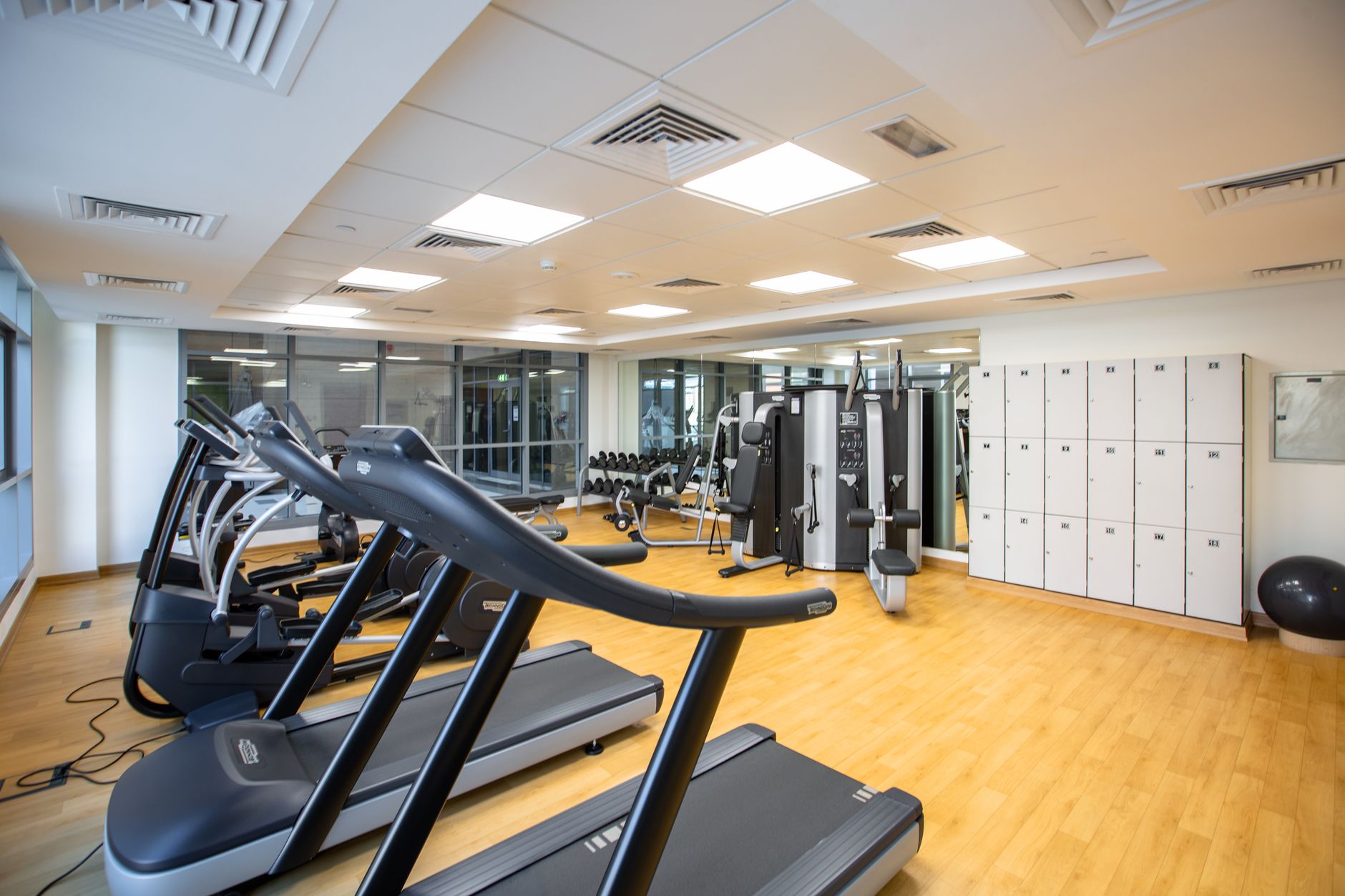
- 24-hour gym: A mix is usually practical. High-traffic zones may benefit from powered units with richer console features for tracked workouts, while self-generating models can help reduce dependence on outlet positions in long rows or flexible floor plans. For planning a mixed setup, see 24 hour gym equipment Malaysia: Planning Guide. For machines that must run reliably through long opening hours, also check the manual for duty-cycle notes and electrical requirements.
- Hotel gym: Self-generating units are often a sensible fit where the gym room is compact and users want simple access without worrying about nearby sockets. This is useful for guest-facing areas that need cleaner placement and less visible cabling. If the hotel wants entertainment-style displays or preset programmes, a powered model may be more suitable.
- Condo gym: Placement flexibility matters because condo fitness rooms are usually shared spaces with limited spare wall outlets. Self-generating machines can make layout planning easier, especially when the team wants to rearrange cardio zones or keep walkways open. If the condo expects heavier use, compare manual guidance on service access and connection points before finalising the order.
- Office gym: A powered machine can be a good fit when the facility has stable electrical planning and wants a more familiar console experience for employees. If the room is small or temporary, a self-generating unit may be easier to position without redesigning the power layout.
- School: Durability and supervision matter more than extra features. For a school setting, the safest choice is the model whose manual clearly matches the intended user group, especially for startup behavior, display controls, and maintenance access. The team should avoid assuming that non-motorised, self-generating, and plug-in models are interchangeable, because the technical setup can differ by machine type and model.
For a quick product shortlist, the team can compare commercial cardio equipment by room size, usage pattern, and outlet availability, then check the manufacturer manuals before purchase. That is usually the most reliable way to balance placement flexibility, console features, and upkeep across Malaysian facilities.
If you need help choosing between options, DesireGYM can assist with product matching, practical layout advice, and a simple add-to-cart or WhatsApp to know more process.
Frequently Asked Questions
What is the difference between self-powered and plug-in cardio equipment?
Are non-motorised, self-generating, and plug-in cardio machines the same thing?
Which is better for gym layout: self-powered cardio or plug-in cardio?
What maintenance differences should a commercial gym consider?
How do I choose between self-powered and plug-in cardio equipment for different facilities?
References
- Precor — Commercial Cardio Workout Equipment | Precor — Precor — Commercial Cardio Workout Equipment | Precor
- Precor — About Us | Precor — Precor — About Us | Precor
- Life Fitness — Energy-saving innovations are reshaping facility operations. | Life Fitness — Life Fitness — Energy-saving innovations are reshaping facility operations. | Life Fitness
- TRUE Fitness — PS100 ELLIPTICAL — TRUE Fitness — PS100 ELLIPTICAL
- Precor — BBC Power of Movement Featuring Precor — Precor — BBC Power of Movement Featuring Precor