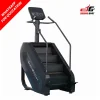
Compare space, ceiling height, usage, specifications and after-sales needs before choosing a stair climber for a Malaysian home or commercial gym.
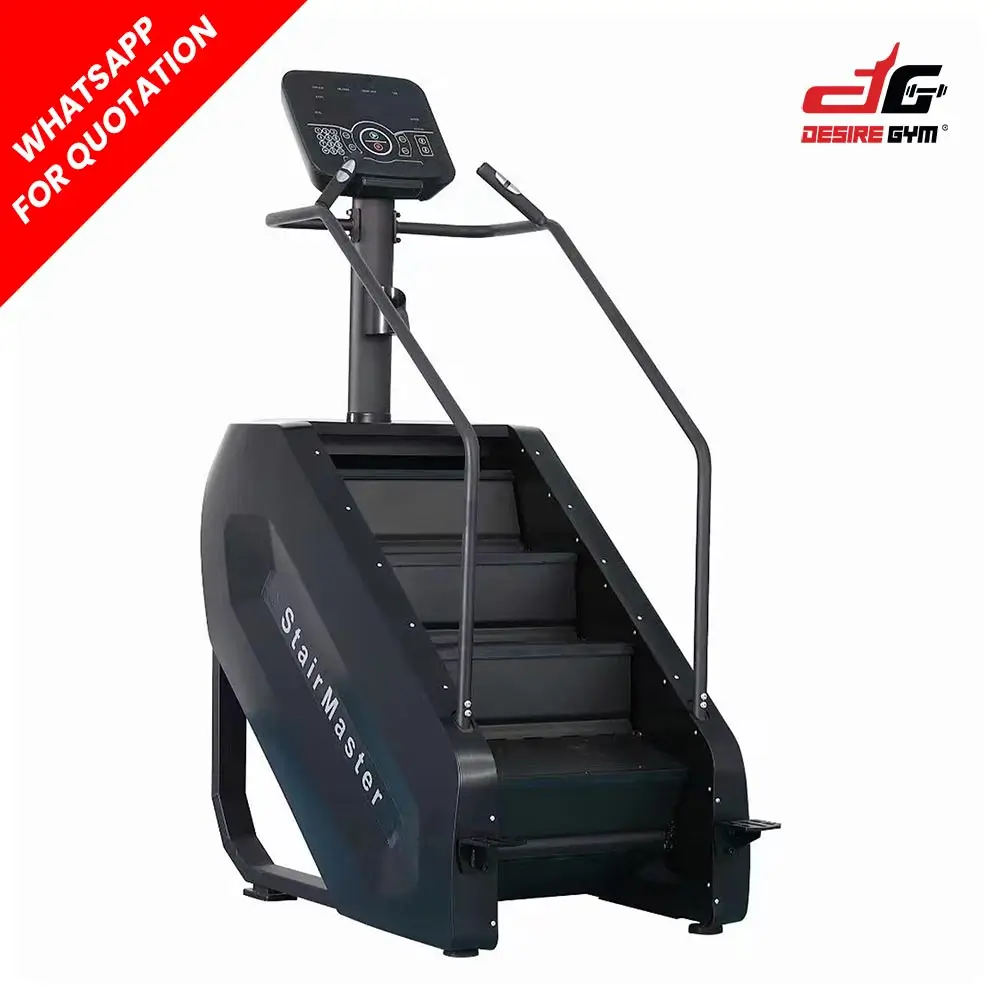
If you are comparing a stair climber machine in Malaysia, do not choose by brand name or price alone. The right machine has to fit your room, ceiling, delivery route, user profile and expected usage while still giving you practical access to service and support.
This guide explains what Malaysian home buyers, gym operators, hotels, offices, studios and property managers should check before purchasing. It also compares a stair climber vs treadmill so you can decide whether the machine fits your cardio mix before requesting a quotation.
Before buying a stair climber in Malaysia, measure floor space and ceiling height, confirm doorway and lift access, identify home or commercial usage, then compare maximum user weight, step size, speed or resistance range, power requirements, safety controls, warranty terms and after-sales support. For commercial facilities, also estimate daily user volume and maintenance needs before choosing a model.
Key Takeaways
- Ceiling height matters more for stair climbers than for many floor-based cardio machines.
- Commercial buyers should choose by expected usage and serviceability, not only by features.
- A treadmill and stair climber serve different cardio preferences; one does not automatically replace the other.
- Measure the full delivery route before ordering a tall or heavy machine.
- Confirm current availability, delivery, installation, warranty and service scope with the supplier before purchase.
1. What Is a Stair Climber Machine?
A stair climber is a cardio machine that creates a repeated stepping or stair-climbing motion while the user remains in one training station. Depending on the design, you may also see terms such as stepmill, stair machine or stepper used by manufacturers and retailers.
“StairMaster” is also a common search term in Malaysia, but it is a brand name rather than the generic name for every stair-climbing machine. When comparing options, look at the actual machine design and specifications instead of assuming two products are the same because their names sound similar.
For commercial buyers, stair-climbing equipment can add another cardio format alongside treadmills, bikes, rowers and cross trainers. Desire Gym currently lists stair-climbing equipment within its Rowing and Stair Climber category.
2. How Much Space and Ceiling Height Do You Need?
Measure the machine footprint, total machine height and the user’s standing position before you buy. Stair climbers can use less floor length than some treadmills, but their vertical clearance can become the deciding factor in condos, studios, offices and lower-ceiling commercial units.
Measure more than floor length and width
A proper site check should include room length, width and ceiling height, but it should also cover the doorway, corridor, staircase, loading area and lift size. A machine can fit perfectly in the workout zone and still be impossible to move through the building without additional planning.
Do not guess ceiling clearance
Different stair climbers have very different height requirements. For example, current manufacturer specifications for commercial stair machines range from compact designs made for lower ceilings to much taller units. The safe approach is to check the exact model’s recommended ceiling height and allow for the user’s position on the highest working step.
If you are planning a commercial project, share site measurements and access photos with the supplier before confirming the order. Desire Gym’s gym equipment installation guide also explains why doorway, lift, floor and access planning should happen before delivery.
3. Which Stair Climber Specifications Matter Most?
The most useful specifications are the ones that affect fit, user suitability, daily operation and maintenance. A large display can be attractive, but practical limits such as user weight, step area, machine dimensions and power requirements often matter more during procurement.
| Specification | Why it matters | What to ask |
|---|---|---|
| Assembled dimensions | Determines whether the machine fits the room and circulation plan. | What are the exact L × W × H dimensions? |
| Ceiling requirement | The user stands above floor level while climbing. | What ceiling height does the manufacturer recommend? |
| Maximum user weight | Helps match the machine to the intended user group. | What is the rated maximum user weight? |
| Step size and step-up height | Affects entry, foot placement and overall usability. | What are the step dimensions and first-step height? |
| Speed / resistance range | Determines how broadly the machine can serve different training levels. | How is intensity adjusted and what range is available? |
| Power requirement | Some designs require a power point while others use different drive systems. | Does the machine need AC power, an adapter or another supply? |
| Safety controls | Commercial users need clear stop controls and safe entry/exit. | What stop, sensor or emergency features are included? |
| Service access | Maintenance is easier when wear components can be inspected and serviced properly. | What maintenance schedule and local support are available? |
Do not copy specifications from a similar-looking model. Always use the current product sheet or supplier confirmation for the exact unit you are ordering.
4. Stair Climber vs Treadmill: Which Fits Your Gym Better?
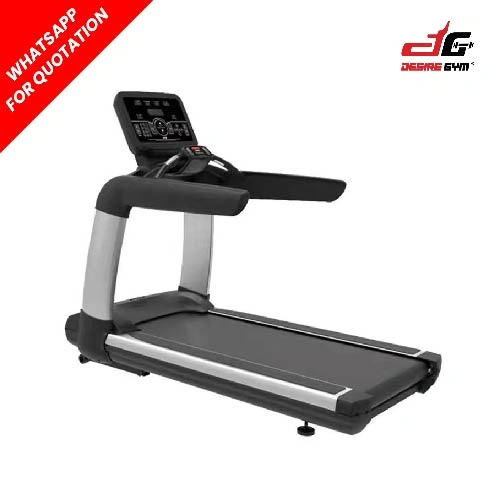
Choose based on the type of cardio experience your users need and the space you actually have. A treadmill supports walking, jogging and running, while a stair climber provides repeated climbing movement from a fixed training position.
| Decision factor | Stair climber | Treadmill |
|---|---|---|
| Primary movement | Continuous stepping / climbing | Walking, jogging or running |
| Floor-space shape | Often shorter but taller | Usually longer from front to back |
| Ceiling sensitivity | High — user rises above floor level | Usually lower, but still check incline and user clearance |
| User familiarity | May require more orientation for first-time users | Movement is familiar to most users |
| Commercial cardio mix | Adds variety for facilities that already have common cardio machines | Often a core cardio category in gyms and fitness rooms |
| Buying priority | Useful when climbing is part of the intended cardio offering | Useful when broad walking-to-running use is required |
If your gym has room for only one cardio machine, start with your target users rather than the trendiest equipment. A residential condo gym may prioritise broad usability, while a boutique studio or commercial fitness centre may want a stair climber specifically to diversify the cardio zone.
For treadmill options, browse Desire Gym’s current treadmill category and compare the space and usage requirements side by side.
5. Should You Buy a Home or Commercial Stair Climber?
The correct usage rating depends on how many people will use the machine, how often it will operate and where it will be installed. A machine for one household is not selected the same way as equipment for a 24-hour gym, hotel, office, condominium facility or personal training studio.
For home and condo buyers
Start with physical fit. Check ceiling height, lift and doorway access, floor protection, noise considerations and whether your building has any delivery or renovation restrictions. Also confirm that the product’s intended usage is suitable for residential use and that service can be arranged at your location.
For commercial buyers
Estimate expected users per day, peak-hour demand and operating hours. Then compare the equipment’s intended use rating, warranty conditions, servicing needs and parts support. A commercial buyer should also think about downtime: if a machine needs attention, who will handle the service request and how will the area be kept safe until it is repaired?
If you are equipping a larger facility, review Desire Gym’s commercial gym equipment planning page before finalising the cardio mix.
6. Malaysia Stair Climber Buyer Checklist
Prepare your project details before requesting a quotation so the supplier can recommend a more suitable option. The more accurately you describe the site and usage, the easier it is to avoid a machine that does not fit the room or operating plan.
For commercial projects, it is also useful to send a simple floor plan or photos. This gives the supplier better context when discussing placement, access and installation.
7. What Stair Climber Options Does Desire Gym List?
Desire Gym currently lists stair-climbing equipment within its commercial cardio range. Buyers can browse the category first, then contact the team to confirm current availability, quotation, delivery, installation and service scope.
RS Stair Master
A full-height stair-climbing option. The current Desire Gym product page lists an assembled size of 143 cm × 81 cm × 207 cm and a display for time, speed, distance, calories and scan.
Best to compare when: you are planning a dedicated commercial cardio area and have enough ceiling clearance for both the machine and the user.
View RS Stair Master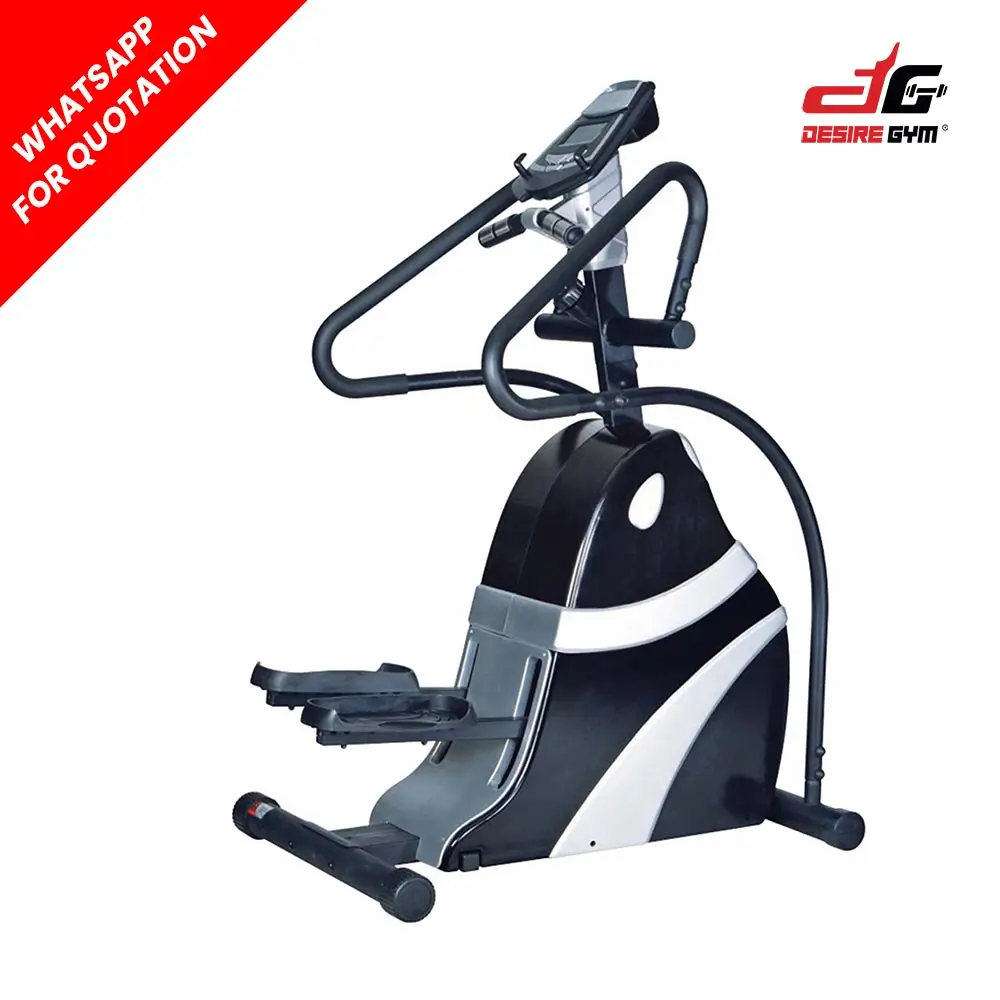
8000B Commercial Magnetic Stair Climber
The current product page lists an assembled size of 125 cm × 76 cm × 160 cm, a 150 kg maximum user weight, 7 kg flywheel and an 8-level magnetic control system.
Best to compare when: you want a shorter stair-climbing form factor and need to evaluate space, user weight and resistance requirements.
View 8000B Stair ClimberProduct dimensions alone do not determine the required ceiling height. Always include the user's standing position on the machine and confirm the manufacturer's recommended clearance before purchase.
You can also browse the wider Rowing and Stair Climber category or speak with Desire Gym if you are planning a full commercial cardio area.
Frequently Asked Questions
What should I check before buying a stair climber in Malaysia?
Check the available floor area, ceiling height, access route, expected usage, maximum user weight, step dimensions, speed or resistance range, power requirements, safety features, warranty terms and after-sales service before choosing a stair climber.
Is a stair climber or treadmill better for a gym?
It depends on the users and the space. A treadmill supports walking, jogging and running, while a stair climber provides continuous stepping in a taller machine footprint. Many commercial gyms use both because they serve different cardio preferences.
Can a stair climber fit in a home or condo gym?
Some stair climbers can fit in home or condo gyms, but ceiling height and access are critical. Measure the machine, the highest standing position, doorway and lift access, and confirm the manufacturer's recommended clearance before purchase.
Is StairMaster the same as a stair climber?
StairMaster is a fitness equipment brand. Stair climber, stepmill and stepper are broader machine terms. Malaysian shoppers may use these terms interchangeably, so compare the actual machine design and specifications rather than relying on the name alone.
Does Desire Gym sell commercial stair climbers in Malaysia?
Desire Gym lists stair-climbing equipment within its Commercial Gym Equipment range, including the RS Stair Master and the Rowing and Stair Climber category. Product availability, quotation, delivery, installation and service scope should be confirmed with the Desire Gym team.
References & Product Information
- Desire Gym — RS Stair Master
- Desire Gym — Rowing and Stair Climber Category
- StairMaster 4G — manufacturer specifications
- Matrix Onyx ClimbMill — manufacturer specifications
Product specifications, availability, delivery, installation, warranty and service terms can change. Confirm current details with Desire Gym before purchase.
Share this guide with your gym owner, facility manager, trainer or project team before requesting equipment quotations.