
Gym Equipment Noise and Vibration: What Malaysian Facilities Should Plan
Gym equipment noise vibration Malaysia is best managed by planning, not by relying on one product alone. The main controls are choosing suitable equipment, placing machines carefully, using protective
Quick answer
Gym equipment noise vibration Malaysia is best managed by planning, not by relying on one product alone. The main controls are choosing suitable equipment, placing machines carefully, using protective flooring where needed, levelling equipment properly, keeping it maintained, and coordinating early with building management and, when necessary, professional structural advice.
Key Takeaways
- Noise and vibration usually come from the machine itself, user impact, placement, and the building structure, so each site needs a different plan.
- Condo gym, hotel gym, office gym, studio, and upper-floor gym spaces need extra attention to equipment placement, protective flooring, and machine levelling.
- Treadmill vibration and free weight impact are common issues, especially where heavy use or shared walls and floors are involved.
- Regular maintenance and early building management coordination can reduce avoidable disturbance and help facilities make better purchase decisions.
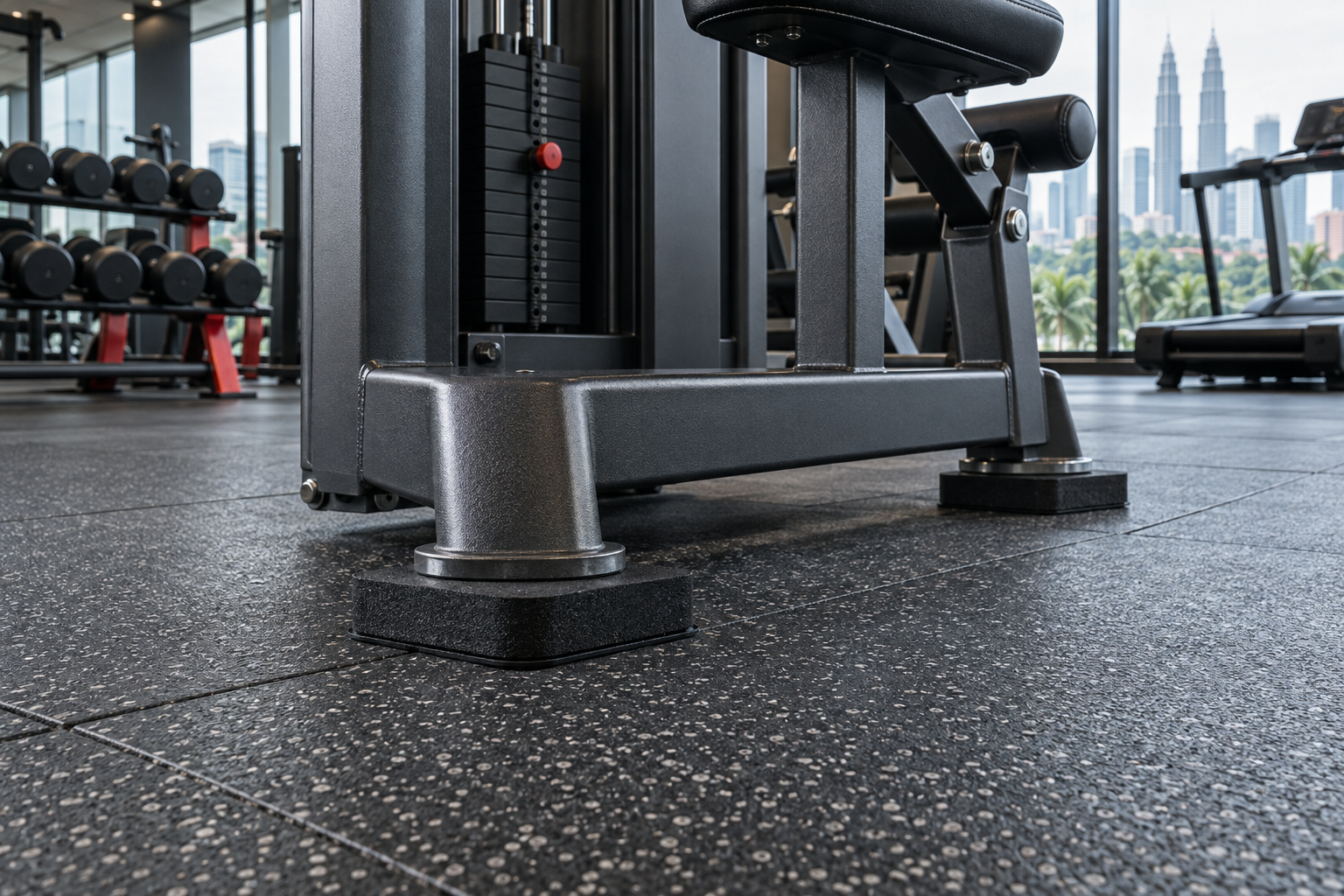
Malaysian facilities planning a quieter gym need a practical approach that balances equipment selection, room layout, flooring, and ongoing upkeep. This guide explains how treadmill vibration, free weight impact, equipment placement, protective flooring, machine levelling, and maintenance affect gym noise control in condo, hotel, office, studio, and upper-floor gym spaces. It also shows when to involve building management and professional structural or building advice, so buyers can choose more confidently with support from Desire Gym.
What causes gym equipment noise and vibration in Malaysia?
The main causes are the equipment itself, how it is used, where it is placed, and how the building carries sound and movement. In gym equipment noise vibration Malaysia planning, there is rarely one single fix because airborne noise, impact noise, and mechanical vibration behave differently.
Airborne noise
Airborne noise is the sound that travels through the air, such as treadmill motor hum, fan noise, belt whine, pulley noise, and the clatter of moving parts. It is often strongest during peak use when multiple machines run at the same time.
In a condo gym, hotel gym, office gym, or upper-floor gym, airborne noise becomes more noticeable if the room has hard finishes, open gaps, or thin partitions. A machine with worn rollers, misaligned belts, or loose covers can sound much louder than the same model in good condition. In many facilities, the issue is not just the machine type but also the accumulation of small service problems.

Impact noise
Impact noise happens when force hits the floor or structure. The most common example is free weight impact: dumbbells dropped after a set, plates set down hard, or barbells released from a lift. Even a controlled drop can send a sharp thud through the slab and into rooms below or beside the gym.
This is why equipment placement matters. A rack near a shared wall, a lifting zone beside reception, or a treadmill row close to a column can transmit more disturbance than expected. Protective flooring helps reduce some of this transfer, but it cannot fully replace careful layout and user behaviour. For facilities with heavier lifting, a specific free weight impact zone should be planned from the start.
Mechanical vibration
Mechanical vibration comes from moving parts inside the machine and from the machine not sitting evenly on the floor. Treadmill vibration is a common example, especially when the deck, motor housing, or feet are not level. A unit that rocks slightly can transfer repeated movement into the floor structure and nearby walls.
Unbalanced equipment, loose bolts, worn bearings, and ageing motors can all increase vibration over time. This is why machine levelling and maintenance matter as much as initial purchase choice. A small adjustment to the feet, routine tightening, or timely part replacement can reduce unnecessary shaking before it becomes a bigger complaint.
For facilities managed by DesireGYM, the practical approach is to identify the source first, then decide whether the fix is placement, servicing, flooring, or professional structural/building advice where needed.
How should condos, hotels, offices and upper-floor gyms plan around noise?
The safest approach is to plan each site around its most sensitive neighbours, then choose equipment placement, flooring, and maintenance priorities accordingly. For a gym noise control plan, condos, hotels, offices, and upper-floor gyms should be treated differently because the surrounding users, building structure, and complaint risk are not the same.
Sensitive rooms to avoid where practical
Place louder zones away from bedrooms, meeting rooms, reception desks, lifts, shared corridors, and quiet work areas. In a condo gym, this often means keeping cardio rows and free weight impact areas away from units below or beside the gym where possible. In a hotel gym, avoid sharing walls with guest rooms or spa areas. In an office gym, try not to sit beside conference rooms, HR rooms, or focused work spaces. For an upper-floor gym, the room below matters as much as the room itself.
| Setting | Higher-priority placement choice | Areas to avoid where practical |
|---|---|---|
| Condo gym | Inner zone with fewer shared walls | Bedrooms, lift lobbies, units below heavy lifting zones |
| Hotel gym | Buffer zone near service or non-guest areas | Guest rooms, spa, quiet lounge spaces |
| Office gym | Edge of the floor with controlled access | Meeting rooms, private offices, call-heavy work areas |
| Upper-floor gym | Lowest-disturbance section of the building | Sensitive rooms directly below the heaviest use area |
Zoning by training type
A practical layout separates the floor into quieter cardio, moderate-strength, and higher-impact sections. Treadmills and bikes usually belong in steadier zones, while free weights should sit on protective flooring with enough spacing so movement does not spread through the room. This is where a general setup guide such as Condominium Gym Setup Malaysia Guide can help with broader planning beyond noise concerns.
For comparison, condo gyms usually need stronger resident-friendly planning, hotel gyms need guest comfort and visual neatness, office gyms need low disruption during business hours, and upper-floor gyms need extra attention to where movement lands on the building frame.
Coordination with building management
Building management should be involved early, especially when the gym is above occupied rooms or near shared services. Ask about past complaint patterns, slab layout concerns, and any restrictions on renovation or equipment loading. If the site has unusual vibration transfer, get professional structural/building advice rather than relying on a mat alone.
The team should also agree on operating rules: no dropping weights, regular machine checks, and routine maintenance for loose parts or uneven feet. In Malaysia, this is often the difference between a workable facility and repeated resident or tenant complaints. DesireGYM can help buyers plan equipment choices and layout with these practical limits in mind, and you can add to cart or WhatsApp to know more.
Equipment placement, flooring and machine levelling: what matters most?
The biggest gains usually come from getting placement, flooring, and levelling right together. In most facilities, the problem is not one single item but how the equipment, the room, and the building all interact.
Placement choices
Put higher-impact zones where the building can handle movement best, such as on the ground floor, over stronger structural areas, or away from bedrooms, meeting rooms, and reception desks. For a condo gym, hotel gym, office gym, or upper-floor gym, this matters even more because sound and movement can travel into occupied spaces.
A practical rule is to separate the noisier machines from quiet-use zones. Keep treadmills, rowers, and free weight areas away from thin partitions, glass, or shared walls where possible. Fans, motors, and cable machines can create steady background noise, so avoid placing them in corners that trap sound or beside desks where people work or rest.
Protective flooring
Protective flooring helps reduce contact between equipment and the building surface, but it is not a universal fix. It can be useful for managing treadmill vibration and reducing the sharp effect of free weight impact, especially under racks, benches, and deadlift areas. The key is matching the flooring to the activity: light cardio needs a different setup from heavy strength training.
A single mat often helps only in a limited way. Better results usually come from layering the right surface under the right equipment, then checking that the area is even and stable. In Malaysia, that practical approach is often more useful than chasing one product for every room.
Levelling and stability
Machine levelling is one of the simplest ways to reduce avoidable rattling, shaking, and uneven wear. If a treadmill sits on a slight slope or a frame is not adjusted properly, it may feel louder and less stable during use. The same applies to benches, racks, and selectorized machines with loose feet or uneven contact points.
A practical sequence for reducing avoidable noise and vibration before and after installation
- Map the heaviest-use zones first, then place them where the building and room layout are most suitable.
- Install protective flooring where impact or repeated contact is most likely.
- Level every machine during setup and recheck after the first few weeks of use.
- Inspect bolts, joints, and feet on a set maintenance schedule so small issues do not become bigger disturbances.
This is where DesireGYM can help the team choose equipment and layout with a more realistic view of use, wear, and space constraints. For facilities planning next steps, add to cart or WhatsApp to know more.
What should you check when a gym starts to shake or get louder?
Start with the source, then work outward. In most cases, the first clues come from the equipment itself, the contact points with the floor, and any loose parts that have developed wear over time.
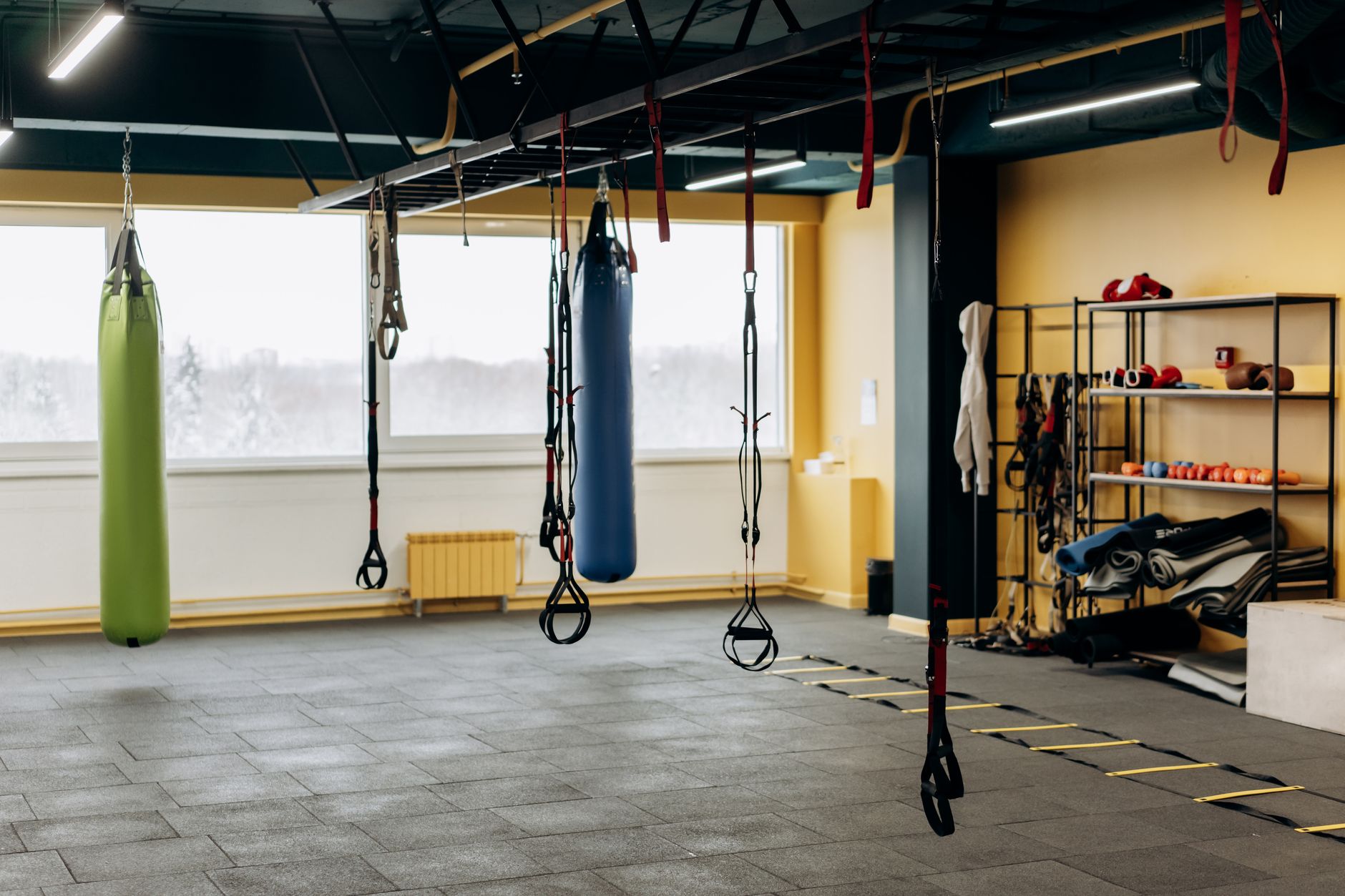
A quick check should separate airborne noise, impact noise, and mechanical vibration. Airborne noise is the sound you hear through the air, such as motor hum or fan noise. Impact noise is caused by force hitting the floor, such as dropped weights or heavy footfall. Mechanical vibration is the movement passing through the frame, base, or building structure.
Look for these common symptoms and quick checks:
- Treadmill vibration: check whether the belt is centred, the frame is level, and the deck or feet are sitting firmly on the floor.
- Loose panels or covers: listen for rattling at speed changes or during incline use; tighten fittings only after confirming the unit is switched off and safe to inspect.
- Unbalanced equipment: if a machine rocks slightly, recheck the levelling feet and look for uneven contact with the floor.
- Cable stack noise: unusual clanking or scraping can point to worn guides, misaligned pulleys, or a weight stack that is not running smoothly.
- Dropped free weights: repeated impact from plates, dumbbells, or bars can spread vibration into nearby rooms, especially in an upper-floor gym.
- Fan or motor hum: a change in tone often suggests dust build-up, wear, or a component that needs service rather than a layout issue.
- Cabling or attachment movement: if accessories move excessively or strike the frame, inspect the setup and the user flow around the station.
If the noise appears across several machines, check the room itself next: the placement of heavy equipment, the condition of protective flooring, and whether the base floor feels stable under load. In a condo gym, hotel gym, or office gym, these details matter because the building structure may carry vibration further than expected. That is why a practical maintenance plan is important, and why Commercial Gym Maintenance Malaysia: What to Include can help the team catch wear before it becomes a bigger disturbance.
If the shaking seems linked to the slab, a mezzanine, or another structural element, do not guess. For an upper-floor gym or any site with repeated complaints, ask for professional structural or building advice before making major changes. For Malaysian facilities planning the next step, DesireGYM can help the team review equipment choices and support a more sensible fix. Add to cart or WhatsApp to know more.
When should you seek professional structural or building advice?
If the issue points to the building rather than the machine, get professional advice early. This is especially important for an upper-floor gym, a condo gym, hotel gym, or office gym where vibration can travel into adjacent rooms, corridors, or lower floors.
Floor-loading concerns
Seek help if the floor feels unusually springy, if heavy equipment shifts when used, or if multiple machines seem to transmit movement into the slab. A structural or building professional can assess whether the problem is related to load distribution, slab movement, or the need for a better equipment layout. This is not something a single mat can solve on its own. For planning support, Our Services can help the team choose equipment and setup options that fit the site more sensibly.
Building vibration concerns
If staff or users feel vibration through walls, ceilings, or nearby rooms, the concern is bigger than simple gym noise control. Airborne noise from fans or motors is different from impact noise from free weight drops and different again from mechanical vibration passing through the structure. When the movement is felt in the building itself, ask for professional structural or building advice before adding more equipment or changing the room layout.
Escalation with management
If complaints continue after maintenance, levelling, and placement checks, escalate the issue with building management. Share the dates, times, machines involved, and whether the noise is airborne, impact-related, or structural. This makes it easier for management to decide whether to review the slab, isolation points, or room use rules. In many cases, the next step is a coordinated review between the gym team, management, and a qualified consultant rather than another quick fix.

For Malaysian facilities that want a calmer setup without guesswork, DesireGYM can help with practical equipment selection and planning support. Add to cart or WhatsApp to know more.
Frequently Asked Questions
What is the difference between airborne noise, impact noise, and vibration in a gym?
Why does one mat or rubber floor not solve every gym noise problem?
Which gym equipment usually creates the most noise or vibration?
How should a gym plan equipment placement to reduce disturbance?
What maintenance issues make gym noise and vibration worse over time?
References
- Department of Occupational Safety and Health, Malaysia — Guidance on Occupational Noise Control, 2024 — Department of Occupational Safety and Health, Malaysia — Guidance on Occupational Noise Control, 2024
- Department of Occupational Safety and Health, Malaysia — Occupational Safety and Health (Noise Exposure) Regulations 2019 / DOSH noise exposure guidance — Department of Occupational Safety and Health, Malaysia — Occupational Safety and Health (Noise Exposure) Regulations 2019 / DOSH noise exposure guidance
- World Health Organization — Environmental noise guidelines for the European Region — World Health Organization — Environmental noise guidelines for the European Region
- World Health Organization — Guidance on environmental noise — World Health Organization — Guidance on environmental noise
- CDC/NIOSH — Preventing Occupational Noise-Induced Hearing Loss — CDC/NIOSH — Preventing Occupational Noise-Induced Hearing Loss