Gym Equipment Repair Malaysia: Common Problems & When to Call a Technician
Gym equipment repair Malaysia means identifying faults in home or commercial fitness machines, deciding whether the issue is maintenance or a true repair, and calling a technician when there is an unu
Quick answer
Gym equipment repair Malaysia means identifying faults in home or commercial fitness machines, deciding whether the issue is maintenance or a true repair, and calling a technician when there is an unusual noise, belt issue, cable issue, electrical fault, or instability. For safe use, stop using the equipment, note the model, and share photos, videos, and location for a professional inspection.
Key Takeaways
- Maintenance is routine care; repair is needed when a fault affects safety, function, or performance.
- Common warning signs include unusual noise, belt issues, cable issues, and electrical faults.
- Always stop using damaged equipment until a professional inspection confirms the next step.
- Clear details like equipment model, photos, videos, and location help speed up repair quotes and service.
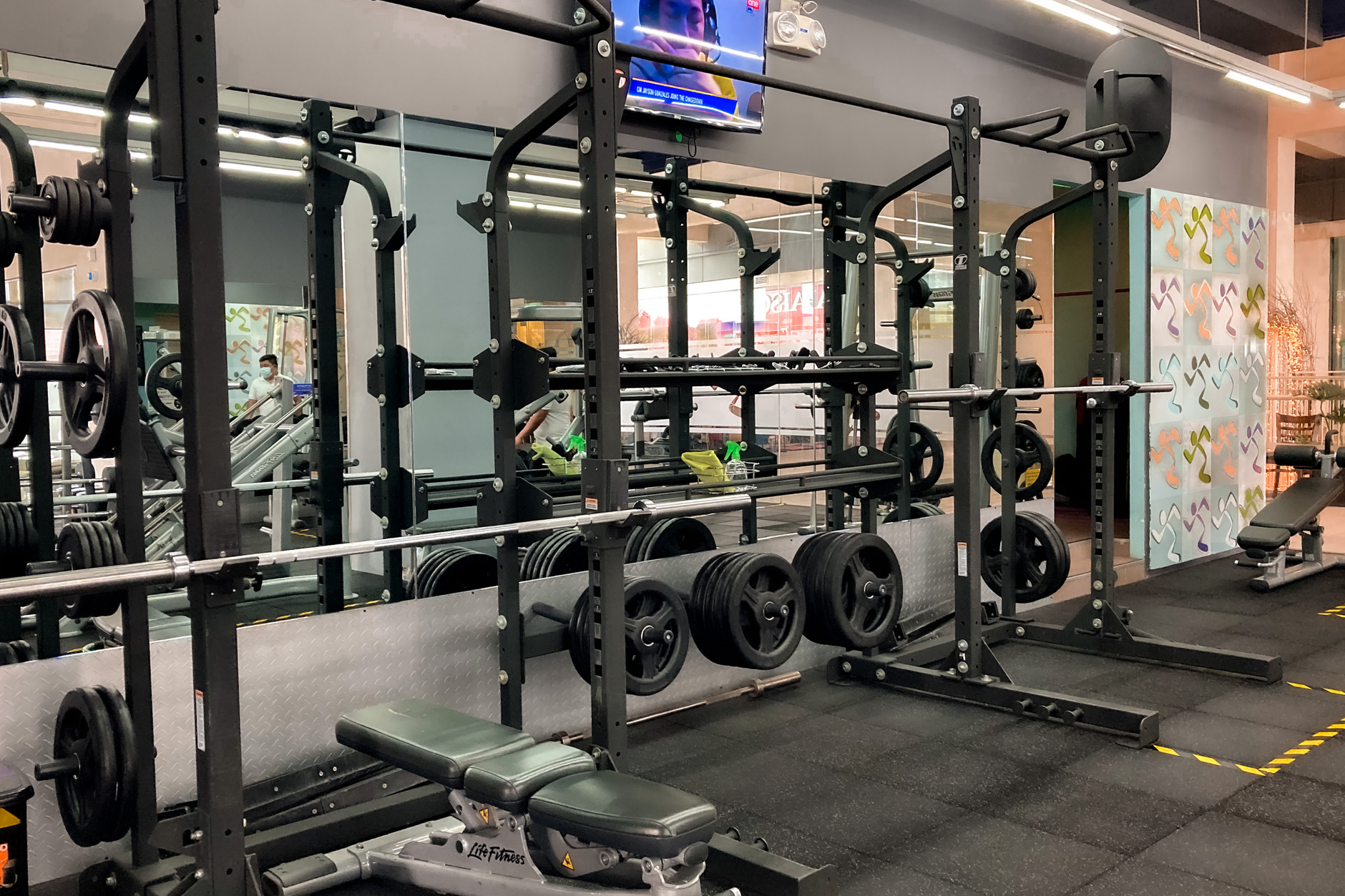
If you are searching for gym equipment repair Malaysia, this guide will help you tell maintenance from repair, spot early warning signs, and decide when to call a technician. It is written for home users, commercial gym owners, resellers, and facility managers who need clear, practical advice before equipment becomes unsafe or unusable. You will also learn what details to prepare for a professional inspection and repair quote, with a local Malaysian buying and service perspective from DesireGYM.
What is the difference between maintenance and repair for gym equipment?
Maintenance is routine care that helps equipment stay clean, stable, and efficient. Repair is the corrective work needed after a fault, breakdown, or safety issue has already appeared.
Routine care vs fault fixing
| Feature | Maintenance | Repair |
|---|---|---|
| Main purpose | Prevent wear and keep performance consistent | Restore function after a fault or failure |
| Typical examples | Cleaning, lubrication, tightening, calibration checks, and basic inspections | Replacing worn parts, correcting a belt issue, fixing a cable issue, or resolving an electrical fault |
| Frequency | Scheduled regularly, often weekly, monthly, or after heavy use | Performed only when a problem is detected |
| Who should do it | Users, in-house staff, or a service team for basic care | A technician after professional inspection |
| Business impact | Reduces downtime and extends service life | Stops further damage and brings equipment back into safe use |
For many buyers comparing gym equipment repair Malaysia, the key difference is timing: maintenance happens before failure, while repair happens after a fault affects use. In commercial gym equipment repair and fitness equipment repair planning, this distinction matters because scheduled upkeep is usually lower-risk and easier to budget than emergency fault fixing.
A practical example is a treadmill with regular cleaning and belt alignment checks versus a unit that now slips, stops, or shows poor performance. Another example is an exercise bike that is wiped down and checked for loose fasteners versus one with resistance failure or console problems. For strength machine repair, routine care may include basic visual checks, while repair becomes necessary when moving parts, cables, or upholstery show damage.
What users can safely check
Users can usually confirm simple external conditions without opening the machine. Check whether the equipment is level, whether visible parts are loose, and whether the unit has obvious wear on belts, pedals, cables, handles, or upholstery. You can also note when the issue appears, how often it happens, and whether it changes during use.
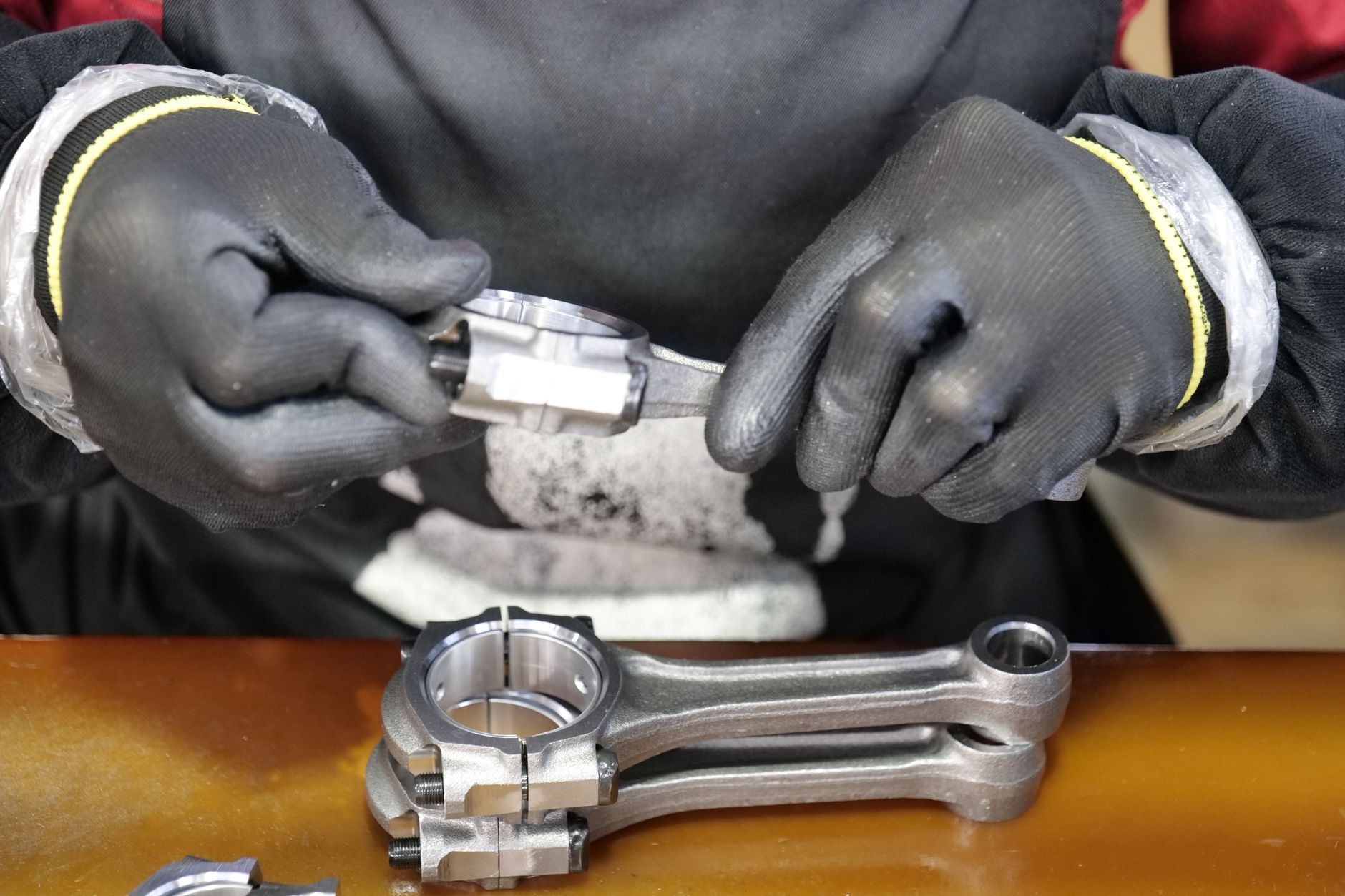
To help speed up assessment, keep the equipment model, photos, and videos ready. A clear Gym Equipment Maintenance Checklist Malaysia can also help teams separate routine care from a real fault before a small issue becomes a service call.
When professional inspection is needed
Call for a professional inspection when the problem affects safety, function, or repeatable performance. This is especially important if there is unusual noise, unstable movement, sudden power loss, or a fault that returns after basic checks. If the equipment is in a commercial gym, take it out of use until the issue is assessed, because continued operation can worsen damage and increase downtime.
For gym equipment repair Malaysia, a technician can review the symptoms, check the equipment model, and advise whether the issue is maintenance, adjustment, or a repair job. At DesireGYM, the goal is to give Malaysian buyers clear next steps, practical support, and a sensible path from diagnosis to action.
What are the most common treadmill problems that need gym equipment repair Malaysia services?
The most common treadmill problems are belt-related faults, recurring noise, power failures, and poor running performance. These issues often start small but can affect safety, comfort, and daily usage if they are not inspected early.
Belt and alignment problems
A treadmill belt that drifts to one side, slips under load, or feels uneven usually points to a tracking, tension, or wear issue. In many cases, the problem becomes more noticeable when the user runs faster or when the deck and belt have not been maintained regularly.
- Common symptoms: belt wandering left or right, slipping during walking or jogging, rough or sticky movement, visible fraying at the belt edge.
- Likely causes at a high level: belt wear, deck friction, poor alignment, or tension that is no longer balanced.
- Safe checks before calling a technician: stop using the machine if the belt feels unstable, note whether the issue happens at low or high speed, and take photos of the belt position from both sides.
Noise, power, and performance issues
Unusual noise is one of the clearest signs that a treadmill needs attention. A loud grinding, knocking, humming, or scraping sound can indicate internal wear, loose parts, or a mechanical part that is not running smoothly. In commercial settings, the problem can spread quickly if the unit keeps operating under strain. The global fitness equipment market was valued at USD 15.9 billion (Statista, 2024), which reflects how widely used these machines are and why uptime matters for facilities.
- Common symptoms: unusual noise, intermittent power loss, sudden stop-start behaviour, slow acceleration, inconsistent speed, or the machine slowing down under body weight.
- Likely causes at a high level: worn walking components, load-related strain, motor-related performance decline, or loose mechanical fittings.
- Safe checks before calling a technician: confirm whether the noise changes with speed or user weight, note any smell, heat, or repeated shutdowns, and avoid further use if the machine cuts out unexpectedly.
Console and error symptoms
Console faults can look minor at first, but they may point to a deeper electrical fault or communication problem. A blank display, frozen screen, unresponsive buttons, or repeated error codes should be treated seriously, especially if they appear after normal operation had been stable.
- Common symptoms: console not turning on, buttons not responding, flashing warnings, inaccurate speed readings, or the treadmill stopping without a clear reason.
- Likely causes at a high level: wiring issues, sensor miscommunication, control-system faults, or power delivery problems.
- Safe checks before calling a technician: record the error code exactly as shown, note the equipment model, and share photos and videos of the screen, belt, and fault behaviour.
For a practical next step, keep Gym Equipment Maintenance Checklist Malaysia nearby so routine care can be separated from a fault that needs professional inspection.
What exercise bike and strength machine faults should you watch for?
Exercise bikes and strength machines usually show warning signs before a full breakdown. If the resistance feels wrong, the movement becomes rough, or the machine starts making unusual noise, it is better to stop and arrange a professional inspection than to keep using it.
Exercise bike resistance, pedal, and console issues
On an exercise bike, the most common fault pattern is resistance that no longer matches the setting. A bike may feel too easy, suddenly too heavy, or uneven from one pedal stroke to the next. That often points to a resistance system problem, sensor issue, or drive-related wear.
Watch for these warning signs:
- Resistance does not change when you adjust the knob or buttons
- Pedals slip, click, wobble, or feel unstable under load
- Console readings jump, freeze, or show incorrect speed, time, or distance
- The bike starts but the resistance is inconsistent during the ride
These issues matter because they affect both safety and training accuracy. A bike that cannot hold resistance properly may mislead users about workout intensity, while a pedal or console fault can worsen quickly if the equipment is kept in service. A professional inspection is especially important when the fault appears only under heavier use, because the problem may show up more clearly during testing than at rest.
Strength machine cable, pulley, and upholstery problems
Strength machines often wear out in the cable and pulley system first. Fraying, stiff movement, uneven load, or delayed return are all signs that the machine should be checked. Upholstery damage is also worth watching, especially when cracking, tearing, or exposed padding begins to affect user comfort and hygiene.
| Equipment type | Warning signs | Why it matters |
|---|---|---|
| Exercise bike | Resistance mismatch, pedal wobble, console errors | Can affect safety, workout tracking, and drive performance |
| Strength machine | Cable issue, pulley drag, torn upholstery, uneven motion | Can disrupt smooth lifting and increase wear on key parts |
If you manage a multi-station setup, Commercial Strength Equipment Malaysia Guide can help you compare what belongs in routine care versus what needs technician attention.
Unusual noise on moving parts
Noise is one of the clearest clues that a machine needs closer checking. On exercise bikes, a clicking or grinding sound may come from the pedal area, flywheel, or resistance mechanism. On strength machines, squeaking, scraping, or knocking often suggests pulley wear, loose fittings, or friction in the moving path.
Take the machine out of use pending inspection if the noise is paired with:
- A belt issue or slipping motion
- Sudden changes in resistance
- Jerky movement during operation
- Heat, smell, or repeated shutdowns
For local buyers and facility managers, the safest approach is to collect the equipment model, photos, and videos before contacting the service team. That helps the team assess whether the problem looks like maintenance vs repair and whether the machine is suitable for further testing. For gym equipment repair Malaysia enquiries, DesireGYM can help you identify the likely fault category and advise the next practical step.
When should equipment be taken out of use and inspected by a technician?
Stop using the machine immediately when there is any sign of electrical fault, unstable movement, cable damage, or repeated unusual noise. In these cases, a professional inspection is safer than continuing to test the unit, especially for commercial gym equipment repair decisions where user safety and downtime both matter.
Safety red flags
Take the equipment out of service if you notice:
- A power issue such as intermittent start-up, sudden shutoff, or tripping during use
- Burning smell, sparking, or visible heat around the power area
- Frayed, stretched, or visibly damaged cable on a strength machine
- Loose frame movement, wobbling, or unsafe shaking during operation
- A belt issue that keeps returning after adjustment or cleaning
- A console that blanks out, freezes, or gives inconsistent readings
- A noise change that becomes sharper, louder, or more frequent from one session to the next
A simple rule is to stop before the fault becomes a bigger breakdown:
Stop using the machine if there is electrical fault, cable damage, unstable movement, or repeated unusual noise.
For commercial sites, this matters even more because one fault can affect multiple users in the same day. In a busy setting, the safer approach is to isolate the machine, record the equipment model, and send photos and videos for review before any further use. That gives the service team a clearer basis for a professional inspection and helps separate maintenance vs repair work more accurately.
Commercial gym vs home use
In a home setting, users may be tempted to “try one more session,” but that can make the fault harder to diagnose later. In a commercial gym, the threshold should be stricter: if the machine feels unsafe, remove it from the floor at once. A visible cable issue, a recurring power problem, or a strength machine that shifts under load should not stay available to members.
This is also where Commercial Gym Maintenance Malaysia: What to Include becomes useful, because routine upkeep and repair decisions should support each other rather than compete.
Do not continue testing if the fault worsens
If the symptom gets worse during use, stop there. For example, a treadmill that starts with minor noise but then develops belt slipping, or an exercise bike that begins with slight resistance inconsistency and then loses smooth pedaling, should be checked before further testing. The same applies when a strength machine develops more play in the moving path or the upholstery shifts in a way that affects posture and control.
For local buyers, the best next step is to share photos, videos, and the model details so the provider can assess whether the unit needs routine servicing or a deeper inspection. DesireGYM can help guide that decision in a practical, procurement-friendly way.
What should you prepare before asking for a repair quote?
The fastest way to get an accurate quote is to share the right information upfront. For a fitness equipment repair request, clear photos, a short video, and the machine’s model details usually help the provider assess the likely issue before a visit.
Photos and videos
- Take wide photos of the full machine from the front and side so the technician can see the overall condition and setup. Then add close-ups of the affected area, such as the treadmill belt, console, pedals, cable path, pulley section, or any visible wear on upholstery.
- Record a short video while the fault is happening. This is especially useful for unusual noise, belt slipping, delayed power-up, resistance changes, or movement that looks uneven under load. If the problem only appears during use, a video often explains more than a written message.
- If possible, include the machine running for a few seconds before the issue appears and again when the problem starts. That helps the provider separate a minor adjustment issue from a deeper repair need.
- For buyers in Malaysia, this is also a practical first step before booking Our Services, because it helps the team decide whether the machine needs inspection, servicing, or a repair visit.
Model details and location
- Note the brand, exact equipment model, and any serial number or product code shown on the frame or sticker. These details matter because parts, compatibility, and service steps can vary even within the same product type.
- Share the machine type and setting: treadmill repair, exercise bike repair, or strength machine repair, plus whether it is used at home, in a studio, or in a commercial gym.
- Add your location in Malaysia, along with floor level, access notes, and preferred contact method. This helps the provider plan a professional inspection more efficiently and avoids delays caused by missing access details.
- If you are contacting DesireGYM, mention the purchase channel or order reference if available. That makes it easier to match the unit to the right support path.
Fault description and usage history
- Describe the symptom in simple terms: power fault, belt issue, cable issue, noise, resistance loss, console error, or instability during use.
- Share when the problem started, how often it happens, and whether it is getting worse. Also mention recent cleaning, relocation, heavy usage, or a change in operating habits.
- Briefly state whether the unit is still in use or has already been taken out of service. For commercial gym equipment repair, that detail helps the team judge urgency and safety.
If you want a practical starting point for inspection and support, DesireGYM can help you prepare the right information and guide the next step. Add to cart or WhatsApp to know more.
Frequently Asked Questions
What is the difference between maintenance and repair for gym equipment?
When should a treadmill be taken out of use?
What photos and details should I send for a repair quote?
What problems are common on exercise bikes and strength machines?
Should I repair or replace my gym equipment?
References
- Department of Occupational Safety and Health Malaysia (DOSH) — Department of Occupational Safety and Health Malaysia (DOSH)
- Department of Occupational Safety and Health Malaysia (DOSH) — Department of Occupational Safety and Health Malaysia (DOSH)
- Precor — Precor
- Precor — Precor
- Precor — Precor