Gym Equipment Upgrade Malaysia: How to Refresh an Existing Commercial Gym
A gym equipment upgrade in Malaysia should start with an equipment and facility audit. Review condition, service history, parts availability, manufacturer guidance, current usage and layout needs before deciding what to keep, repair, refurbish or replace.
Quick answer
A gym equipment upgrade in Malaysia should begin with an equipment and facility audit. Review each item’s condition, service history, parts availability, manufacturer guidance, current usage and fit within the layout. Keep suitable equipment where practical, and use repair, refurbishment or replacement only after the equipment and project requirements have been assessed.
Key Takeaways
- Begin with a full equipment audit of condition, service history, and current usage.
- Keep, repair, refurbish or replace equipment using condition records, manufacturer information, parts availability and a qualified assessment where needed.
- Improve the gym layout to balance cardio equipment, strength equipment, flooring, and storage.
- Use phased work where practical so access, installation and temporary closures can be planned around the facility’s operating needs.
Upgrading an existing gym in Malaysia does not always mean starting over. This guide explains how to review your current assets, decide what to retain, repair, refurbish, or replace, and improve the training mix without disrupting operations more than necessary. It also shows how to plan a practical phased upgrade that supports your budget, downtime planning, and long-term gym renovation Malaysia goals, with guidance from DesireGYM.
What should you check first in a gym equipment upgrade Malaysia project?
Start with a full equipment and facility audit. Before you decide on any purchase, review what you already own, how each item performs, and where the layout is causing crowding or wasted space.
Equipment audit basics
A gym equipment upgrade Malaysia project should begin with a room-by-room inventory of all cardio equipment, strength equipment, flooring, and storage. Record the model, quantity, location, and whether each item is in active use, underused, or temporarily out of service. This gives the gym a clear working list instead of relying on memory.
- Count every machine, bench, rack, mat, and accessory in the facility.
- Match each item against its current position in the gym layout and note any congestion points, awkward walkways, or dead zones.
- Compare the equipment list with observed usage, peak periods, facility requirements and the training activities the space is intended to support.
- last service date
- repair history
- parts replaced
- current performance issues
- safety concerns
A simple audit sheet is often enough at this stage, but it should be detailed enough to support purchasing decisions later. If service records are incomplete, update them now and keep them with your maintenance file. The same review should link back to your Gym Equipment Maintenance Checklist Malaysia so repairs and checks are easier to track over time.
Condition, age, and service history
Next, document visible condition and reported faults. Note wear, unusual noise or movement, damaged surfaces, loose accessible hardware and control problems where these can be observed safely. Equipment age should be considered together with service history, manufacturer support, parts availability and the result of any required technical inspection.
For example, a machine with a clear service history and no unresolved operating issues may remain a candidate for continued use, while repeated faults may justify a repair, refurbishment or replacement review. The final decision should follow the equipment condition and available technical information. Track:
This helps the team decide whether to keep, repair, refurbish, or replace each item based on real operating condition rather than appearance alone.
Usage patterns and underused zones
Finally, map how members actually move through the space. Identify high-traffic zones around treadmills, selectorised strength stations, and free-weight areas, then compare them with underused corners, narrow aisles, or storage bottlenecks. These patterns often reveal where a small layout change can improve flow before any major purchase is made.
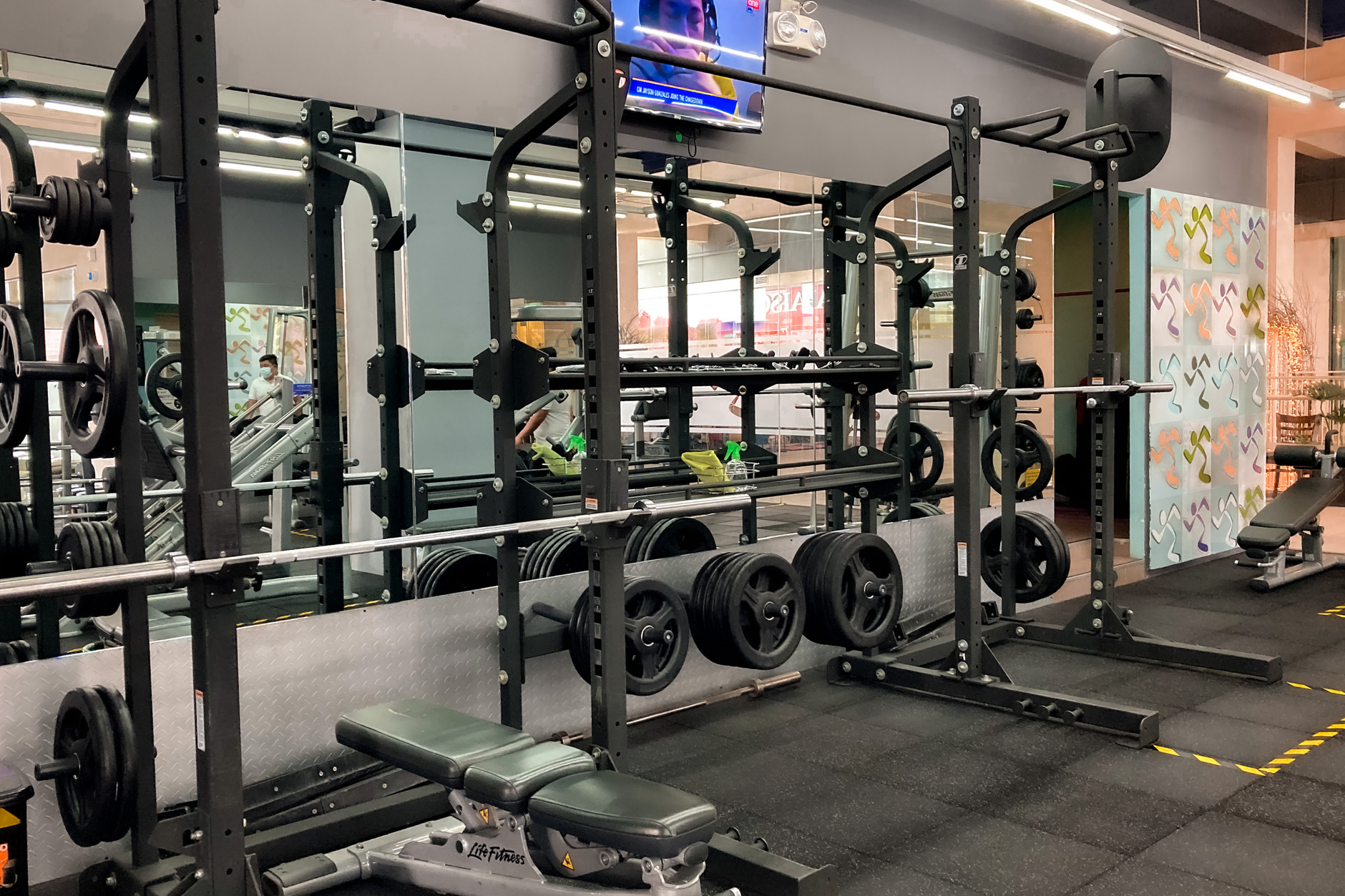
A visual review of the gym floor can help identify spacing, storage and access issues before new equipment is selected. If supplier input is needed, DesireGym publishes commercial equipment, installation and after-sales support options that can be discussed against the facility’s actual space and project requirements.
Powered by a practical review, not guesswork
A good audit should answer three questions clearly: what is working, what is failing, and what is limiting the space. Once those are clear, the next step is easier to plan.
How do you decide what to keep, repair, refurbish, or replace?
Compare operating condition, service history, manufacturer support, parts availability, downtime impact and whether each item still suits the current facility needs. Do not treat the categories below as an automatic rule: repair, refurbishment and replacement decisions may require model-specific information or a qualified technical assessment.
Decision factors
Start with a clear comparison of each machine against the same criteria. This avoids emotional decisions and supports a more orderly commercial gym upgrade.
| Decision option | Best fit | Typical signs | Practical note |
|---|---|---|---|
| Keep | Operating as intended, suitable for the facility and without unresolved issues identified in the review | Service history available, no recurring reported faults, still supported for intended use | Retain only if it remains suitable for the intended use and layout |
| Repair | Specific fault that can be properly diagnosed and supported | Identified fault or worn component requiring model-appropriate assessment | Consider when suitable parts and an appropriate repair method are available |
| Refurbish | Equipment assessed as serviceable but needing approved cosmetic or component renewal | Wear to approved replaceable finishes or components, subject to inspection | Consider only after confirming the equipment remains serviceable for its intended use |
| Replace | Recurring faults, lack of support/parts, or poor fit for current facility requirements | Recurring faults, unsupported components, unresolved condition issues or low suitability | Consider when continued repair or refurbishment is no longer practical for the facility |
A useful rule is to look at the full service record, not just the latest fault. If a treadmill keeps returning for motor, belt, and console issues, the repair cycle may be interrupting operations too often. For a practical repair-versus-replace guide, see Gym Equipment Repair Malaysia | Common Problems.

When refurbishment makes sense
Refurbishment can be considered when the equipment has been assessed as serviceable and the required work is limited to approved replaceable or cosmetic components. Depending on the equipment and manufacturer guidance, the scope may include upholstery, grips, pads, finishes or other serviceable items. Structural, load-bearing, electrical or safety-critical work should not be assumed suitable for refurbishment without an appropriate technical assessment.
Cosmetic refurbishment may also be considered as part of a wider layout refresh, but appearance should remain secondary to equipment condition, manufacturer support and intended use. DesireGym publishes refurbishment and repair support options; the exact scope should be confirmed for the equipment involved.
When replacement is the clearer choice
Replacement can be considered when equipment no longer fits the facility’s intended use, has recurring unresolved faults, lacks suitable parts or support, or cannot be returned to an acceptable service condition through an appropriate repair or refurbishment process.
It also makes sense when the current mix no longer matches member demand. If a floor has too many similar machines and too little variety, replacing one or two pieces may improve balance more than repairing everything. Use downtime planning to group removals and arrivals in phases, so the upgrade is less disruptive to members and staff.
How can you improve gym layout and equipment mix without a full rebuild?
An existing gym can be reviewed by looking at circulation, equipment placement, storage, access and the current equipment mix before deciding whether a full rebuild is necessary. Any relocation or new installation should also account for model dimensions, manufacturer clearance requirements and site-access constraints.
Traffic flow and congestion
Map the main access routes between entrances, circulation areas, storage and training zones. Before moving large equipment, confirm machine dimensions, manufacturer-recommended operating or service clearances, access routes and any site restrictions that apply to the facility.
An equipment audit should include not only usage and condition, but also how each unit affects access and circulation. Record areas where equipment, storage or queues interfere with normal movement, then review possible changes against manufacturer clearance requirements and the facility’s own site constraints.
Cardio equipment mix
For cardio areas, compare the existing equipment mix with observed usage and the facility’s intended training needs. If some machines are consistently underused while others are regularly unavailable, that usage information can be included in the upgrade review before purchasing additional equipment.
Focus on equipment condition, service history, manufacturer support and recurring faults before deciding what stays. Cosmetic appearance alone should not determine whether a machine is retained, repaired, refurbished or replaced.
Strength equipment mix
For strength equipment, the goal is usually to reduce duplication and improve training coverage. A floor packed with similar benches or single-use stations can feel busy but still leave gaps in the workout offering. Consider whether the space supports free weights, selectorised stations, cable work, and rack-based training in the right proportion for your members.
This is where layout and equipment mix should be reviewed together. If a corner is underused, it may be better converted into compact strength equipment or a clearer storage area rather than left as dead space. A well-planned equipment refresh can also improve the visual standard of the room, especially when flooring, storage, and machine finishes are updated in phases to match the new arrangement.
Keeping the changeover phased helps the team maintain service while each zone is improved, making the process more manageable for staff and members.
Which flooring, storage, and visual refresh updates make the biggest difference?
Flooring, storage and visual finishes can be reviewed as part of an upgrade, but each should be selected according to the facility’s actual use, equipment loads, cleaning requirements, installation method and applicable supplier or manufacturer specifications.
Flooring priority areas
Review flooring condition by zone and note cuts, gaps, uneven surfaces, moisture, wear or other visible issues. When selecting replacement flooring, confirm suitability for the intended activity, equipment loads, cleaning regime, subfloor and installation method with the flooring supplier and any relevant facility requirements. Do not assume that one flooring type is suitable for every gym area.
Different areas may have different flooring and access requirements. If replacement work is phased, document which zones will close, what equipment must be moved and what site preparation is required. A clear installation plan can be reviewed with the Gym Equipment Installation Malaysia Checklist.
Storage and organisation
Good storage improves safety and makes the floor feel less crowded. Focus on practical solutions that keep smaller items off walking paths and make equipment easier to return after use.
- Wall-mounted or freestanding dumbbell racks for clearer weight zones
- Kettlebell, plate, and bar storage matched to the actual equipment mix
- Mats and accessory holders near stretching or functional training areas
- Labelled storage points so members can return items correctly
- Compact shelving for cleaning tools and spare accessories
- Clear route planning so storage does not block circulation
Better organisation also supports a cleaner audit result later, because it is easier to see whether equipment condition or service history needs attention when the room is not cluttered.
Simple visual refresh ideas
A visual refresh does not need to be expensive to be effective. The biggest gains usually come from better lighting, cleaner wall finishes, consistent signage, and a more unified machine layout. If the facility includes older and newer equipment together, using similar colour tones in flooring and storage can make the room feel more cohesive.
Useful updates include:
- Repainting worn feature walls in neutral, easy-to-clean colours
- Replacing faded signs with clear zone labels and safety notices
- Reviewing mirrors only where their placement, fixing method and facility requirements have been properly considered
- Using consistent rack and bench placement to strengthen the gym layout
- Refreshing reception or feature areas with cleaner branding cues
For an upgrade project, prioritisation can be based on condition, usage, access, service requirements and the sequence of planned work. DesireGym can discuss equipment, installation and after-sales options, while project-specific decisions should be based on the actual site and verified equipment information.
How should you phase a commercial gym upgrade to reduce downtime?
A phased upgrade is one practical way to plan work in an operating facility. The space can be divided into work zones and temporary closures can be coordinated around access, installation, flooring, electrical or other project requirements. Whether part of the gym can remain open depends on the actual work scope and site controls.
Phasing by zone
Start by dividing the space into clear work zones: cardio, strength, free weights, functional training, and support areas such as storage or circulation space. This makes it easier to remove one section at a time, confirm equipment condition before moving anything, and avoid crowding the whole floor.
An example sequence, to be adjusted for the actual project, is:
- Confirm the equipment list, work scope and access requirements for the zone.
- Remove, repair or relocate approved items as planned.
- Complete required site preparation, flooring or electrical work.
- Install and inspect the equipment according to the manufacturer and project requirements.
- Reopen the area only after the responsible team confirms that the planned work is complete.
This approach also helps the team compare keep, repair, refurbishment, and replacement decisions more accurately because each zone is assessed under real operating conditions. If your upgrade plan includes coordinated deliveries, the Gym Equipment Installation Malaysia Checklist is useful for aligning access routes, timing, and site readiness.
Temporary closures and member access
Temporary closures should be planned around the actual work scope and clearly communicated to users. Whether adjacent equipment can remain available depends on access, barriers, installation activity, electrical work and other site controls required for that project.
Good downtime planning should include:
- a visible closure notice at entry points
- alternative training options within the same facility
- staff briefing so members get consistent information
- safe barriers around active work areas
For Malaysian operators, a commercial gym upgrade works best when members can see progress without feeling that the whole facility is unavailable. Clear communication is often more important than speed alone.
How long should each zone stay closed?
Keep the closure as short as the work actually requires, and only extend it if installation, wiring, or flooring needs additional time.
What should be done before reopening one area?
Check machine alignment, flooring edges, storage access, and basic safety clearance before letting members back in.
Final checks before reopening each area
Before reopening a zone, confirm that the planned installation or service work has been completed, manufacturer setup requirements have been followed, access routes are clear and any relevant service records have been updated. Project-specific electrical, anchoring, flooring or commissioning checks should be completed by the appropriate responsible person where required.
The best phased roll-out is the one that keeps the gym usable, controlled, and easy to manage from start to finish.
For a practical refresh plan, DesireGYM can help you choose the right equipment mix, coordinate phased installation, and support your next purchase with clear product guidance. Add to cart or WhatsApp to know more.
Malaysia practical example: planning a condominium gym refresh
For a condominium gym in Malaysia, an upgrade review could begin with an inventory of the existing treadmills, bikes, benches, racks and strength machines, together with service records, visible-condition notes and observed usage. The management team can then identify equipment that needs technical assessment, areas where access or storage is restricted, and work that may require temporary closure. New equipment should be compared against the actual room dimensions, access route, manufacturer requirements and available project budget before ordering.
DesireGym project context
DesireGym’s published project library covers Malaysian gym equipment projects and states that its project support may include equipment selection, delivery, installation and after-sales services. This supports using real facility requirements, available space and project scope as the basis for equipment planning. The public project library does not by itself verify the exact equipment, quantities or upgrade outcomes for every project, so those details should only be published when supported by project records. See DesireGym Projects.
Frequently Asked Questions
How do I know whether my gym needs a full equipment audit or just a few replacements?
What should I prioritise when modernising the cardio and strength areas?
How can I reduce downtime during a gym refurbishment?
What low-cost changes can make an existing gym look more modern?
What should be included in an upgrade checklist before I request a site review?
References
- American College of Sports Medicine — ACSM’s Health/Fitness Facility Standards and Guidelines, Fifth Edition. ACSM describes this reference as covering facility design and construction, facility equipment, signage and operational guidance.
- International Organization for Standardization — ISO 20957-1:2024 — Stationary training equipment — Part 1: General safety requirements and test methods. Use the applicable product-specific part of ISO 20957 where relevant.
- National Strength and Conditioning Association — NSCA’s Safety Checklist for Exercise Facility and Equipment Maintenance. This supports routine facility and equipment-condition checks; it does not replace manufacturer instructions.
- Department of Occupational Safety and Health Malaysia — Occupational Safety and Health Act 1994 [Act 514], Reprint Version 1.6.2024.