Plate-Loaded vs Selectorized Gym Equipment: Which Fits Your Facility?
Plate-loaded vs selectorized gym equipment depends on your facility type and users: plate-loaded strength machines suit experienced lifters, heavier training, and flexible loading, while selectorized
Quick answer
Plate-loaded vs selectorized gym equipment depends on your facility type and users: plate-loaded strength machines suit experienced lifters, heavier training, and flexible loading, while selectorized gym equipment is better for beginner users, faster adjustments, and smoother peak-hour throughput in a commercial gym. The best choice for most Malaysian facilities is often a balanced mix, not one single system.
Key Takeaways
- Plate-loaded strength machines usually give users more loading flexibility and are often preferred for serious strength training.
- Selectorized gym equipment with a weight stack is generally easier to use, quicker to adjust, and more suitable for beginner users.
- Your decision should consider space, supervision level, maintenance needs, and how many people must train during peak hours.
- The right mix depends on facility type, whether it is a commercial gym, hotel, condo, school, university, or studio setup.
Choosing between plate-loaded and selectorized equipment is less about which is “better” and more about which fits your users, space, and operating model. This guide explains the differences in plain terms, including loading style, supervision needs, plate storage, maintenance, and peak-hour flow, so Malaysian facility owners can make a practical buying decision with confidence. You will also see where Desire Gym can help with equipment selection for different commercial settings across Malaysia.
Direct Answer: What Is the Difference Between Plate-Loaded and Selectorized Gym Equipment?
Plate-loaded machines use separate weight plates that the user loads onto the machine, while selectorized gym equipment uses a built-in weight stack adjusted by a pin. In a plate-loaded vs selectorized gym equipment comparison, neither is automatically better; the right choice depends on your users, space, and operating model.

Plate-loaded machines in simple terms
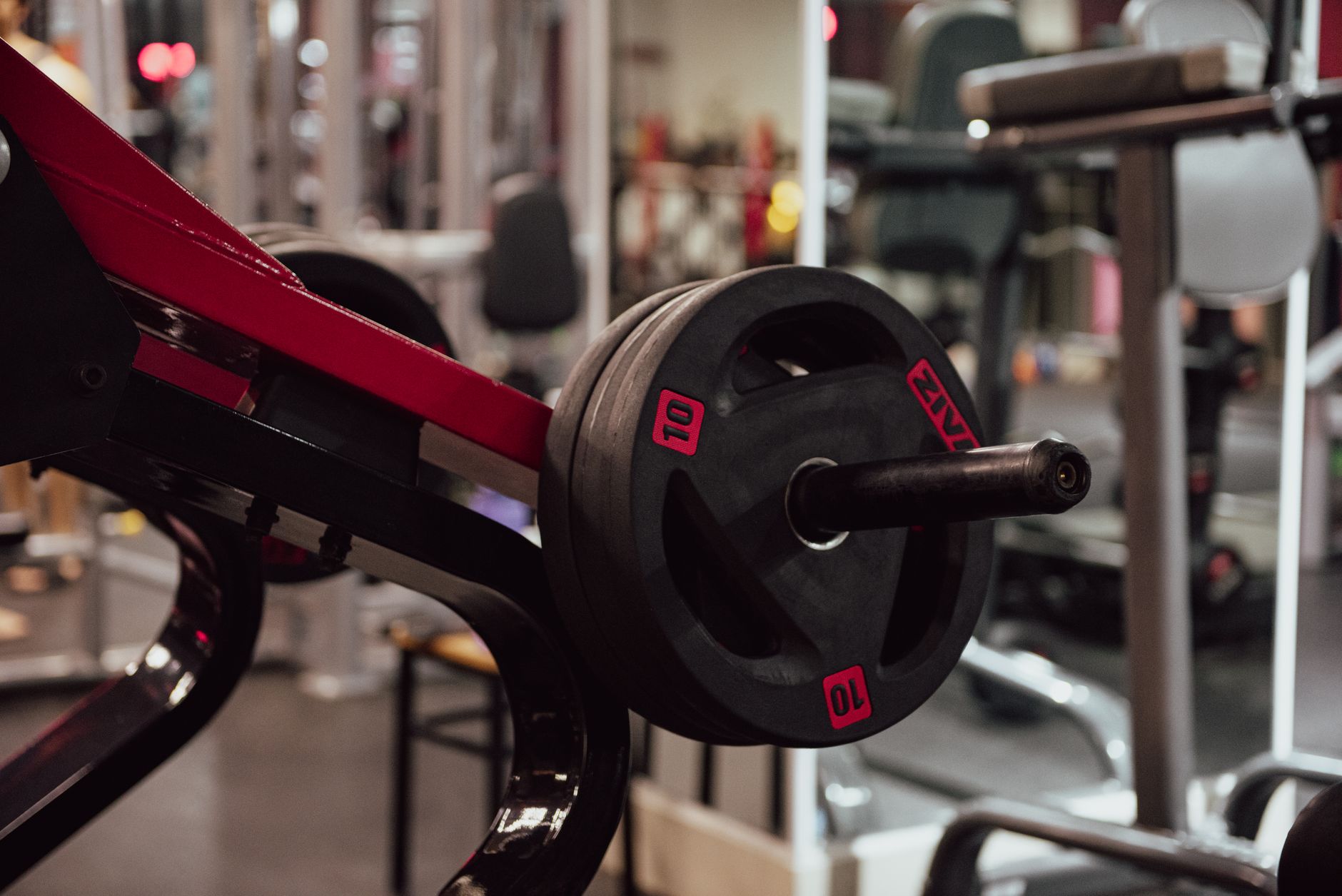
Plate-loaded strength machines rely on Olympic plates to create resistance. Users or staff add plates to the machine’s loading posts, which means the resistance can be built up in smaller or larger steps depending on the machine design and the plates available. This format is common where training style matters and where the facility already has a strong free-weight area or wants a heavier, more gym-like feel.
For a commercial gym, the main planning point is not just the machine itself but also plate storage and traffic flow. Extra plates need a clear storage position, and staff should consider how the machine is accessed during busy periods. If a machine is heavily used, loading and unloading plates can slow user turnover at peak times. For a broader buying view, see Commercial Strength Equipment Malaysia Guide.
Selectorized gym equipment in simple terms
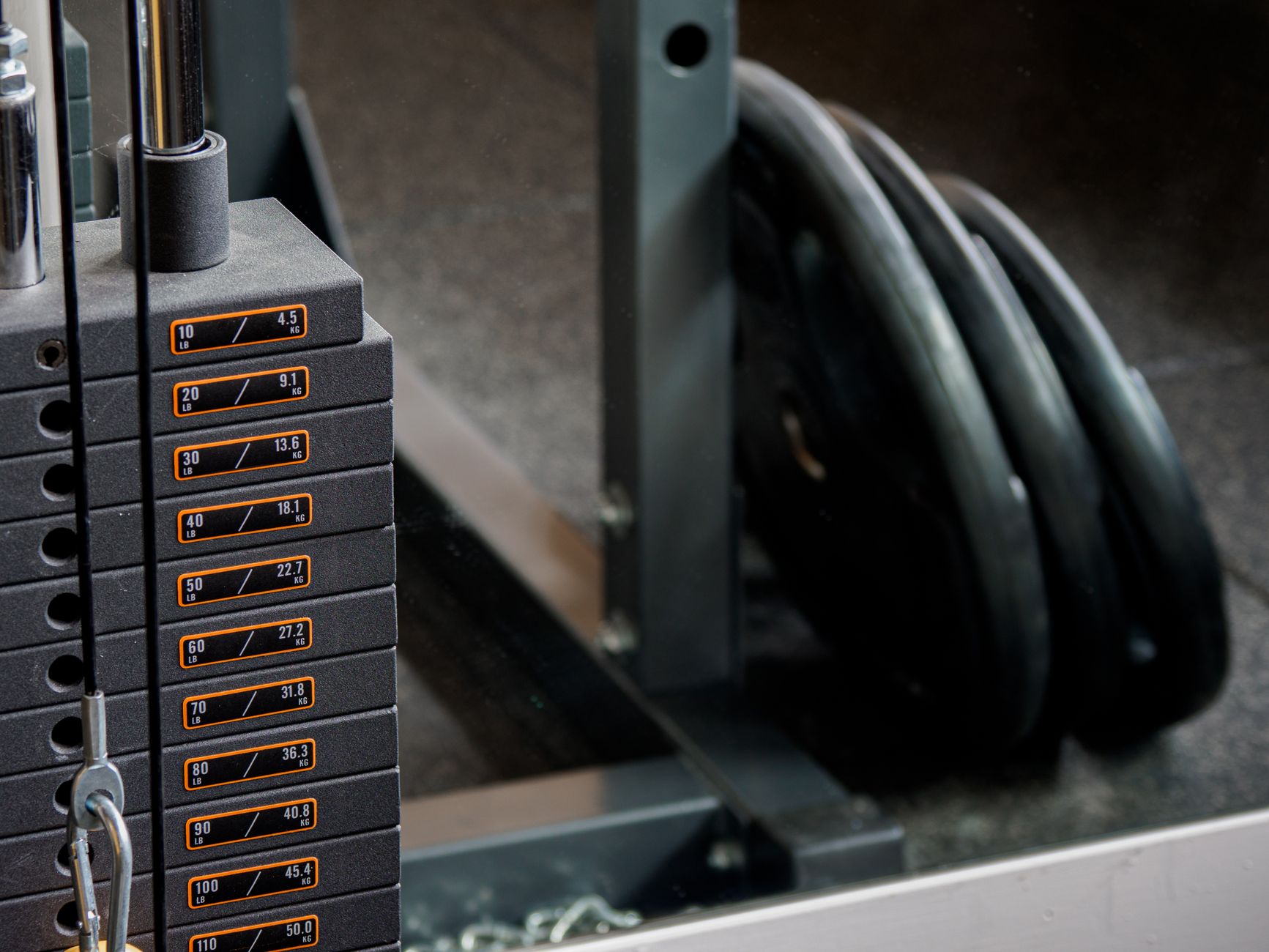
Selectorized equipment uses a weight stack inside the frame, usually adjusted with a pin. The user changes resistance by moving the pin to the desired stack level, so there is no need to handle loose plates. This makes the machine straightforward for beginner users, especially in facilities where users want a clear and fast setup.
Because the resistance is built into the machine, selectorized machines usually create less floor clutter and simpler space planning. They are often easier to supervise in mixed-use facilities such as hotels, condos, schools, and corporate gyms, where users may have different experience levels. The trade-off is that the resistance jumps are tied to the stack increments, so the feel may be less customizable than plate-based loading for some training styles.
Why neither type is universally better
The best option depends on facility type, user mix, and how quickly equipment must turn over during peak-hour throughput. A gym serving mostly beginners may value fast adjustments and simple operation, while a strength-focused site may prefer the loading flexibility and training feel of plate-loaded strength machines. Many Malaysian operators choose a combination of both so they can support varied training needs without overcommitting to one system.
If you are choosing equipment for a commercial gym in Malaysia, the practical question is not “which is better?” but “which type helps this facility run well day to day?” Desire Gym can help buyers match machine type to real usage, available space, and budget expectations.
Plate-Loaded vs Selectorized Gym Equipment: Side-by-Side Comparison
In practical terms, plate-loaded machines use separate weight plates, while selectorized machines use a built-in weight stack adjusted by a pin. Neither system is universally better; the right choice depends on the facility type, user profile, and how your floor is used during busy periods.
| Comparison area | Plate-loaded strength machines | Selectorized gym equipment |
|---|---|---|
| Setup and changeover speed | Slower, because users must add or remove Olympic plates manually | Faster, because users move the pin to the desired stack setting |
| Beginner users | Can require more explanation and supervision | Usually easier to understand for first-time and casual users |
| Training feel | Often preferred for more customized loading and a free-weight-style feel | Often chosen for straightforward, guided movement and simple selection |
| Plate storage | Needs nearby plate storage planning to keep loading tidy | No loose plates at the station, so storage needs are lower |
| Floor clutter | Can create more clutter if plates are left near stations | Typically cleaner station layout with fewer loose items |
| Maintenance touchpoints | More external parts to inspect, including sleeves, plates, and loading areas | More focus on stack, selector pin, cables, and guide movement |
| Peak-hour throughput | Can slow turnover if users spend time loading plates | Usually supports faster rotation in peak-hour throughput |
| Space use | Needs extra allowance for plate storage and loading access | Often easier to plan in tighter layouts because resistance is built in |
For a commercial gym, the decision often comes down to workflow. If your users are mixed ability and you want simple onboarding, selectorized gym equipment is usually easier to supervise. If your members expect heavier custom loading or a more strength-focused training feel, plate-loaded strength machines may fit better, especially when paired with organised plate storage and clear traffic flow around each station.
A good planning rule is to match machine type with the area it serves. Fast-turnover zones, hotel gyms, and mixed-use facilities often benefit from simpler pin-loaded machines. Strength corners, performance areas, and more experienced training floors may justify plate-based stations where space and loading access are already accounted for. For broader buyer context, see Commercial Strength Equipment Malaysia Guide.
Which option is easier for staff to manage?
Selectorized units are usually simpler for staff to explain and reset between users.
Which option needs more room?
Plate-loaded stations often need more space around the machine because of plates and loading movement.
Can a gym use both?
Yes. Many facilities combine both systems to serve beginner users and experienced lifters in one floor plan.
For Malaysia buyers, the most practical approach is to compare your member mix, space, and peak-hour throughput before choosing one system over the other. Desire Gym can help you narrow the right setup for your commercial gym, so you can add to cart or WhatsApp to know more with more confidence.
Which Facility Type Should Choose Which Machine Style?
The short answer: commercial gyms usually benefit from a mixed setup, while 24-hour gyms often lean more toward selectorized units, and hotel or condo gyms usually need the simplest, most self-explanatory layout. The right choice depends on user profile, supervision level, and how much floor space you can dedicate to each station.
Commercial gym
A busy commercial gym serves different users at the same time: beginner users, regular members, and experienced lifters. That is why a mixed floor plan often works best. Selectorized stations can handle quick introductions, group traffic, and fast member turnover, while plate-loaded strength machines can support more training variety where users are comfortable loading their own Olympic plates.
- Choose more selectorized units near the main traffic path for easy first-time use and quicker station turnover.
- Add plate-loaded strength machines in dedicated strength zones where users have enough room to load plates safely.
- Plan for plate storage close to the station so the area stays organised and members do not walk across the floor carrying loose plates.
- Use a mixed layout if your gym serves different training levels across the day, especially during peak-hour throughput.
- Check your operating model against a Commercial GYM Equipment before finalising the mix.
24-hour gym
A 24-hour gym usually has less staff presence, so equipment should be easy to understand and reset between users. Selectorized equipment is often the first choice for this setting because the weight stack and pin system are straightforward, which reduces confusion during unattended hours. For this reason, many operators keep plate-loaded stations limited to areas where members are clearly expected to self-manage.
- Prioritise pin-loaded machines for simple exercise changes and lower dependence on staff guidance.
- Limit floor clutter by avoiding unnecessary loose plates in narrow walkways or unsupervised corners.
- Keep the equipment layout intuitive so new users can identify the starting position without assistance.
- Reserve plate-based stations for users who already know how to manage loading and unloading efficiently.
Hotel and condo gym
Hotel and condo gyms usually need a compact, welcoming layout that supports casual training rather than heavy specialization. In these facilities, selectorized units often fit best because guests and residents may want a quick workout without learning a complex setup. A few plate-loaded stations can still work if the space is generous and the user base is more experienced, but they should not dominate the room.
- Use selectorized machines for predictable, low-friction use by mixed-age and mixed-ability users.
- Consider plate-loaded stations only when you have enough room for safe movement around the machine.
- Keep the plan simple so guests can train independently with minimal instruction.
- Match the mix to the facility type rather than forcing one system across every corner of the gym.
For Malaysian buyers, the most practical decision is to balance supervision, space, and user flow before choosing the final mix. Desire Gym can help you compare options and choose the setup that fits your commercial gym, hotel, or residential facility.
How Do Space, Supervision, and Peak-Hour Throughput Affect the Choice?
The right choice depends on how much room you have, how closely staff can supervise, and how many users must train at the same time. In a commercial gym, selectorized units usually make traffic flow easier in tight or busy areas, while plate-based stations can work well when there is more open space and users can manage loading efficiently.
Space planning and plate storage
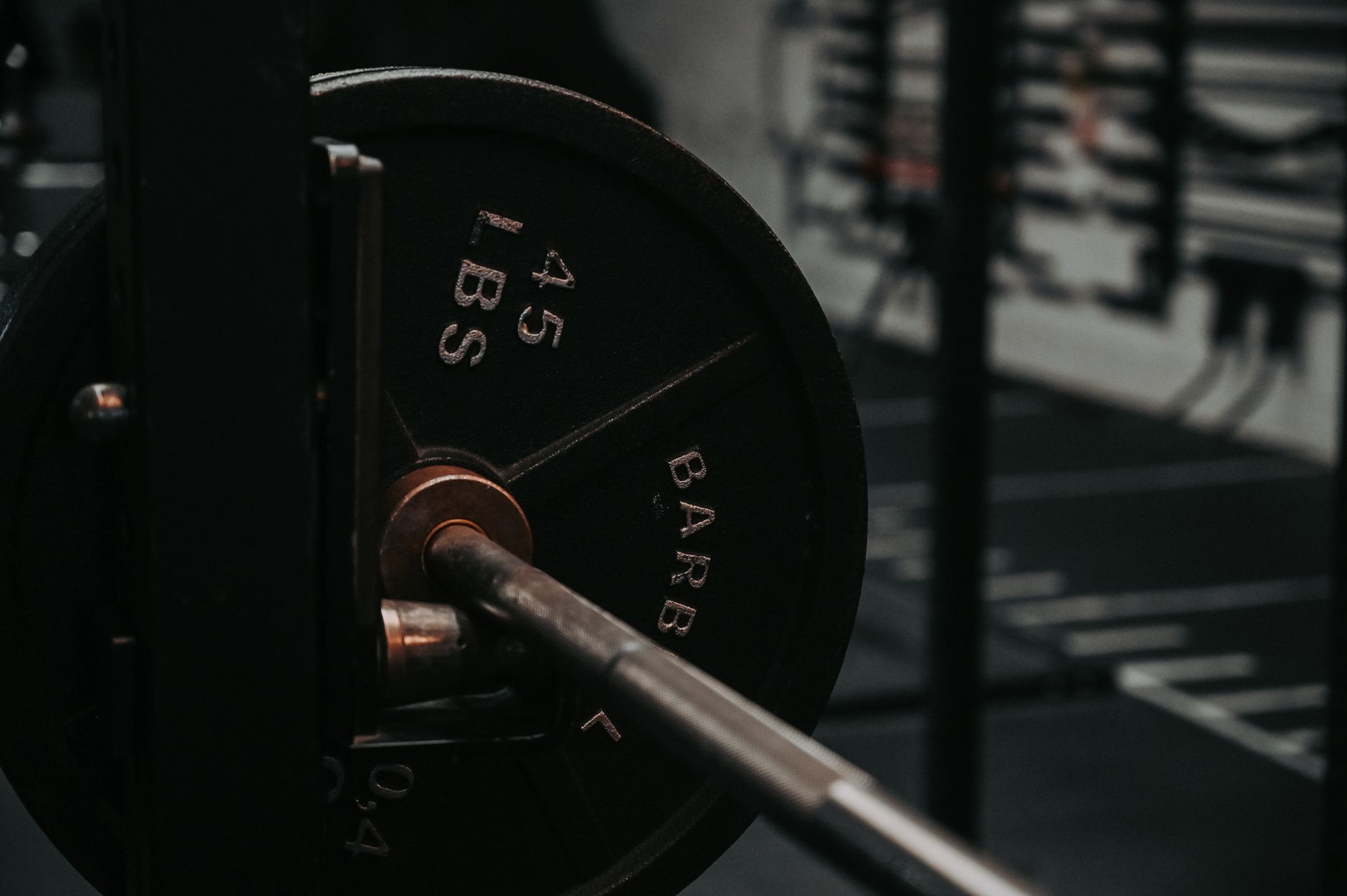
Selectorized machines need a clear footprint for the frame, the seat path, and access around the stack, but they do not require separate storage for Olympic plates. Plate-based stations add another layer of planning because the facility must store plates near the machine without creating clutter or blocking walkways. That matters in compact rooms where every square metre affects layout decisions.
A practical rule is to map the machine area, the loading zone, and the storage point before ordering. If plates are too far away, users spend more time walking between racks and stations; if they are too close, the floor can feel crowded. For facilities comparing a mixed layout, the team can also review 24 hour gym equipment Malaysia: Planning Guide to think through low-supervision access and user movement.
Supervision and beginner users
Selectorized equipment usually asks less of beginner users because the resistance changes with a pin, not a full plate-loading routine. That can reduce instruction time for front-desk staff or trainers, especially in hotel, condo, or mixed-membership settings where many people arrive with different experience levels. Plate-loaded strength machines may suit users who already understand loading patterns, but they typically need clearer supervision at first so users do not skip steps or load unevenly.
- Identify the main user mix: beginners, casual users, or experienced lifters.
- Check whether staff will be present during all opening hours.
- Measure the real space for the station plus plate storage and movement lanes.
- Compare how much instruction each option will need during daily operations.
- Choose the format that matches your supervision level, not just your equipment preference.
Peak-hour flow and user turnover
Throughput is often the deciding factor when the gym is busy. Selectorized machines can support faster turnover because users adjust resistance quickly and move on with less plate handling, which helps when multiple members want the same station. Plate-based units may slow the queue if users spend extra time selecting, carrying, and returning plates, especially during rush periods.
That does not mean one system is always better. If your facility has strong coaching, adequate floor area, and a user base that values a more manual feel, plate-loaded stations can still fit well. But if the goal is smooth peak-hour flow with less waiting, the safer planning approach is often to lean toward selectorized options and reserve plate-based pieces for stations that truly benefit from them.
Which type is better for a commercial gym?
Neither is universally better. For a commercial gym, the better choice depends on your facility type, member profile, supervision level, and floor plan.
If you serve many beginner users or expect heavy peak-hour throughput, selectorized gym equipment is often easier to manage because the resistance changes with a pin and users can move faster between sets. If your members want more manual loading, more exercise variation, or already use free-weight patterns, plate-loaded strength machines may be a better fit.
What is the main operational difference?
Plate-loaded machines use separate Olympic plates, while selectorized machines use a built-in weight stack adjusted by a pin. That difference affects day-to-day use: one requires plate handling and storage, the other depends on the stack already being on the frame.
In practical terms, plate-loaded setups usually need clearer plate storage planning, while pin-loaded machines can keep the training area tidier. A 2024 IHRSA facility survey found that 61% of operators cited space efficiency as a major purchasing factor (IHRSA, 2024), which is why the storage layout matters so much.
Which option is easier for beginner users?
Selectorized equipment is usually easier for beginner users because the loading step is simpler and the resistance change is obvious. This reduces hesitation when someone is new to the station.
Plate-based units can still work well, but they often suit users who are comfortable handling plates, checking load symmetry, and understanding how each station feels under movement. In a mixed-ability gym, this is one reason many operators place pin-loaded machines in the main workout zone and use plate-loaded units for more advanced training areas.
How should I think about maintenance?
Think about access, inspection, and wear points rather than assuming one format is automatically lower-maintenance. Selectorized machines need regular checks on cables, guide rods, and the weight stack path. Plate-loaded machines shift attention toward horns, sleeves, and plate contact surfaces.
For owners comparing long-term planning, the better question is how your team will inspect and service the equipment, not just which label it carries. If you want a broader planning reference, see the provider’s Commercial GYM Equipment guide.
What should I ask before buying?
Ask how the station fits your training style, floor area, plate storage, supervision, and member mix. If your goal is smoother traffic and simpler use, selectorized gym equipment may suit the layout better; if your focus is strength training variety and a more manual loading style, plate-loaded strength machines may be more appropriate.
For help choosing the right mix for Malaysia, contact Desire Gym for practical product advice, or add to cart and WhatsApp the team to know more.
References
- ASTM International. *Standard Specification for Selectorized Strength Equipment (ASTM F2216)* — ASTM International. *Standard Specification for Selectorized Strength Equipment (ASTM F2216)*
- American Council on Exercise (ACE). *The Benefits of Machine-Based Circuit Training* — American Council on Exercise (ACE). *The Benefits of Machine-Based Circuit Training*
- American Council on Exercise (ACE). *Is Loaded Movement Training the Future of Fitness?* — American Council on Exercise (ACE). *Is Loaded Movement Training the Future of Fitness?*
- Life Fitness. *Selectorized Strength Equipment* — Life Fitness. *Selectorized Strength Equipment*
- Precor. *Selectorized Strength Machines* — Precor. *Selectorized Strength Machines*